9 Best Mental Health Apps In Canada
| App Name | Best For | Key Features | AC Rating | Pricing |
|---|---|---|---|---|
| Life7 | All in one mental wellness | Binaural beats, CBT tools, sleep stories, meditation | 4.8/5 | Free trial, then subscription plans |
| Calm | Sleep and relaxation | Sleep stories, celebrity narrations, nature sounds | 4.5/5 | Free version, premium subscription |
| Headspace | Beginners learning meditation | Structured courses, animations, focus music | 4.5/5 | Free trial, monthly or yearly plans |
| MindShift CBT | Anxiety relief using CBT | Thought journals, fear ladders, relaxation tools | 4.4/5 | Free |
| Woebot | AI based therapy support | CBT chatbot, mood tracking, gratitude journal | 4.3/5 | Free |
| Wysa | Anonymous AI mental health chat | AI penguin chatbot, CBT exercises, coaching option | 4.3/5 | Free version, premium available |
| Insight Timer | Large meditation library | 220,000+ free meditations, community features | 4.6/5 | Free version, optional premium |
| Sanvello | Managing stress and anxiety | Mood tracking, peer support, coping tools | 4.2/5 | Free version, premium available |
| HealthyMinds | Mood tracking for Canadians | Journaling, goal setting, developed by The Royal | 4.0/5 | Free |
#1. Life7 – Best for All in One Mental Wellness
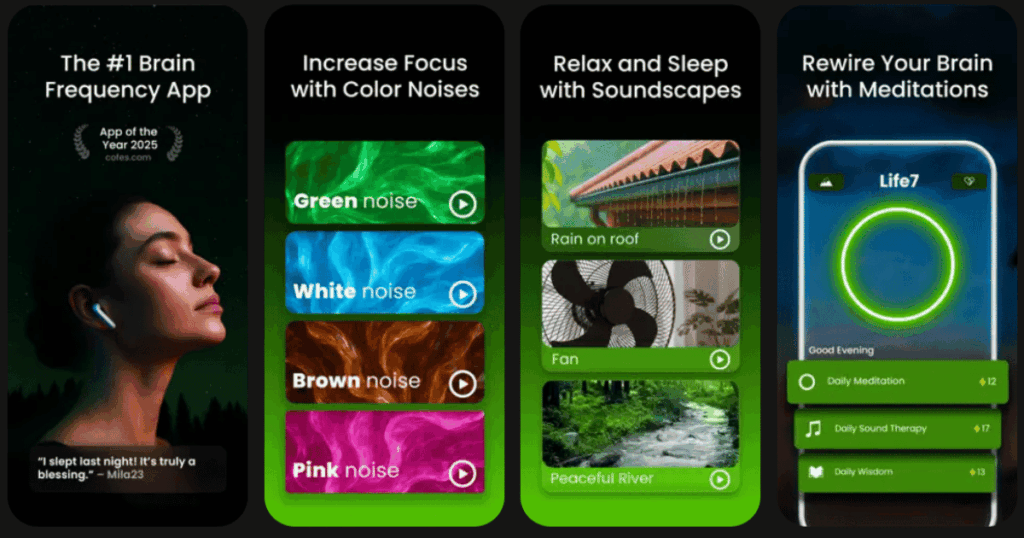
I have tried many mental health apps over the years. Life7 stands out as the most complete option I have found. This app covers everything from meditation to sleep to stress relief in one place.
Life7 offers a huge range of tools for your mental wellness. You get access to over 1200 editorial mentions worth of content. The app has helped users log over 312 million meditation minutes. That shows how many people trust this app for their mental health needs.
Key Features:
- Green noise, white noise, brown noise, pink noise, and brain wave music including Delta, Theta, Alpha, Beta, and Gamma frequencies
- CBT tools, hypnotherapy, vagus nerve stimulation, and transcendental meditation sessions
- Sleep stories for adults and children, breathing exercises, SOS sessions for panic attacks, and daily check ins with mood tracking
What I like: I really enjoy how Life7 combines so many different approaches in one app. You can mix soundscapes with meditations using the backdrop mode. The gamified approach keeps me coming back because I earn XP and unlock new content. The daily sessions give me something fresh every day. I also love the 432 Hz and 528 Hz Solfeggio frequencies for deep relaxation.
What I don’t like: The free content is a bit limited. You will want to get the subscription to unlock everything the app offers. But they do have frequent special offers that make it more affordable.
Pricing: 7 day free trial available. Weekly, monthly, and yearly subscription plans offered.
Platforms: iOS and Android
#2. Calm – Best for Sleep and Relaxation
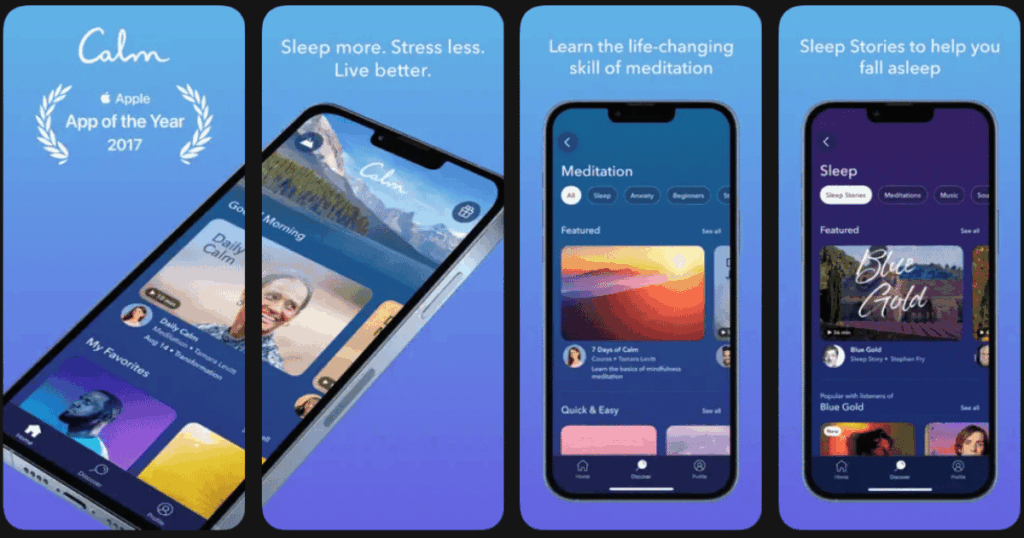
Calm has become one of the most popular meditation apps in the world. I find it especially helpful for sleep problems. The app has a beautiful design that makes you feel relaxed the moment you open it.
The sleep stories are what Calm is famous for. Celebrities like Matthew McConaughey and Harry Styles read bedtime stories to help you fall asleep. It sounds silly but it really works. The nature sounds and music sections are also very soothing.
Key Features:
- Large library of sleep stories narrated by celebrities and calming voices
- Daily Calm meditation that changes each day with a new mindfulness theme
- Music, nature sounds, and breathing exercises for stress relief
What I like: The production quality is amazing. Everything feels polished and professional. I appreciate that I can customize my experience by choosing different background sounds. The app works great for my whole family including my kids.
What I don’t like: The premium subscription is on the pricier side. Also, there is no easy way to search or filter meditations by theme. You end up scrolling a lot to find what you want.
Pricing: Free version with limited content. Premium subscription available with 7 day free trial.
Platforms: iOS and Android
#3. Headspace – Best for Beginners Learning Meditation
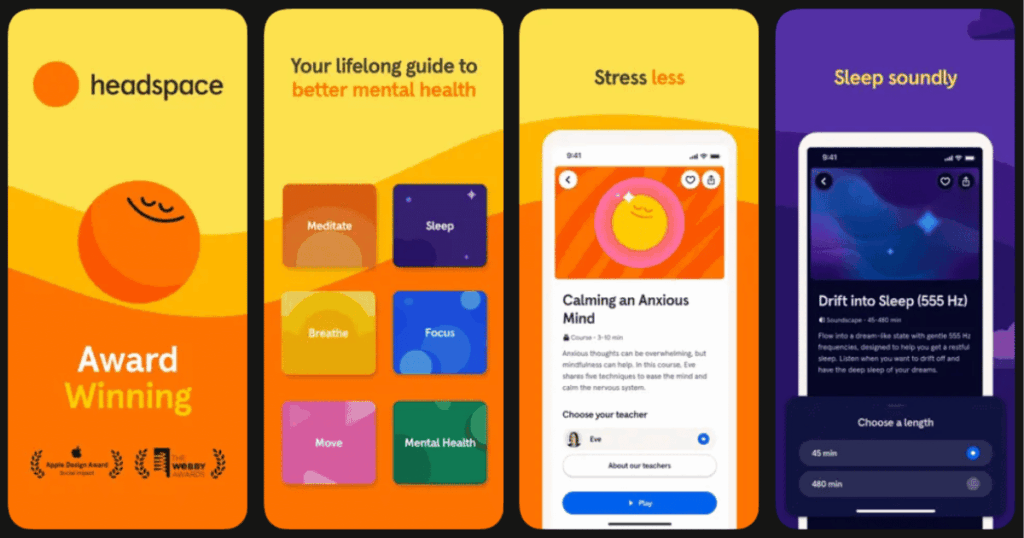
Headspace makes meditation feel fun and easy. The cute animations explain complex ideas in simple ways. This is perfect if you have never meditated before and feel nervous about starting.
The app uses structured courses that build your skills over time. You start with the basics and slowly learn more advanced techniques. The founder Andy Puddicombe was a Buddhist monk and brings real expertise to the app.
Key Features:
- Over 500 guided meditations organized into progressive courses
- Sleepcasts and wind down exercises for better rest
- Focus music and movement exercises for mind body connection
What I like: The courses are really well designed for beginners. I never felt lost or confused. The animations make learning about mindfulness actually enjoyable. I also like the panic button feature on Apple Watch for stressful moments.
What I don’t like: All the good content is behind a paywall. The free version is very limited. Also, experienced meditators might find it too basic.
Pricing: 7 day free trial for monthly plan. 14 day free trial for yearly plan. Student discounts available in Canada.
Platforms: iOS and Android
#4. MindShift CBT – Best for Anxiety Relief Using CBT
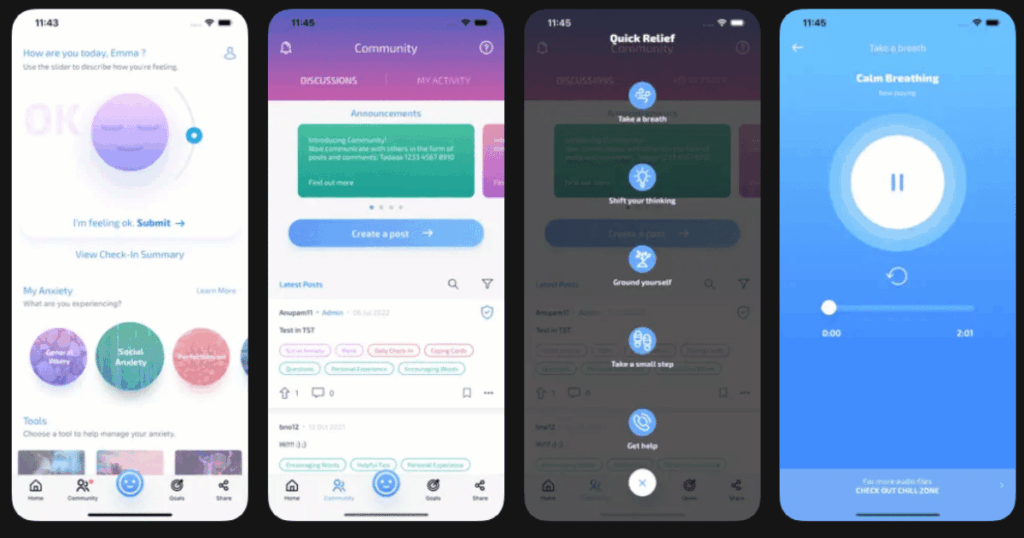
MindShift CBT is made right here in Canada by Anxiety Canada. The app is completely free and based on cognitive behavioral therapy. This is the same type of therapy that many psychologists use in their offices.
Over 550,000 people have downloaded this app. It teaches you to recognize anxious thoughts and replace them with calmer ones. The tools are simple to use and backed by real science.
Key Features:
- Thought journals and belief experiments to challenge negative thinking
- Fear ladders and comfort zone challenges to face anxiety step by step
- Relaxation exercises, mindfulness practice, and community forum for peer support
What I like: I love that this app is totally free. It was developed by clinical psychologists and researchers. The check in feature helps me track my progress over time. It is available in both English and French.
What I don’t like: The app only focuses on anxiety. If you have other mental health concerns, you might need additional resources. Also, some security features could be stronger.
Pricing: Completely free.
Platforms: iOS and Android
#5. Woebot – Best for AI Based Therapy Support

Woebot is a cute robot that chats with you about your feelings. It uses AI to deliver cognitive behavioral therapy in a friendly way. The conversations happen through text, like messaging a friend.
Over 1.5 million people have talked to Woebot. The app has been featured on 60 Minutes and won mental health innovation awards. It is designed to be a companion between therapy sessions or for people who cannot access traditional therapy.
Key Features:
- AI chatbot that uses CBT, DBT, and interpersonal therapy techniques
- Daily mood check ins with gratitude journaling
- Toolbox of coping strategies you build over time
What I like: Woebot is always available whenever I need support. The conversations feel natural and helpful. I appreciate that it is backed by real clinical research and studies. The daily check ins keep me consistent.
What I don’t like: The responses are mostly pre written options you choose from. Sometimes it does not understand what I mean. It cannot replace real human connection for serious issues.
Pricing: Free to use.
Platforms: iOS and Android
#6. Wysa – Best for Anonymous AI Mental Health Chat

Wysa features a friendly AI penguin that talks with you about stress, anxiety, and more. The chatbot uses evidence based techniques to help you manage your emotions. It is a safe space to open up without judgment.
The app received FDA Breakthrough Device status for its potential mental health impact. That is a big deal for a mental health app. You can also connect with real human coaches if you want extra support.
Key Features:
- AI penguin chatbot for 24/7 anonymous support
- CBT exercises, mindfulness meditations, and breathing techniques
- Option to add mental health coaching with real professionals
What I like: The anonymity makes me feel safe to share things I might not tell anyone else. The penguin is cute and the interface is calming. I like having the option to upgrade to human coaching if needed.
What I don’t like: The AI sometimes gives responses that do not quite fit what I said. Premium features and coaching can get expensive if you add them on.
Pricing: Free version available. Premium subscription around $75 yearly. Coaching sessions extra.
Platforms: iOS and Android
#7. Insight Timer – Best for Large Meditation Library
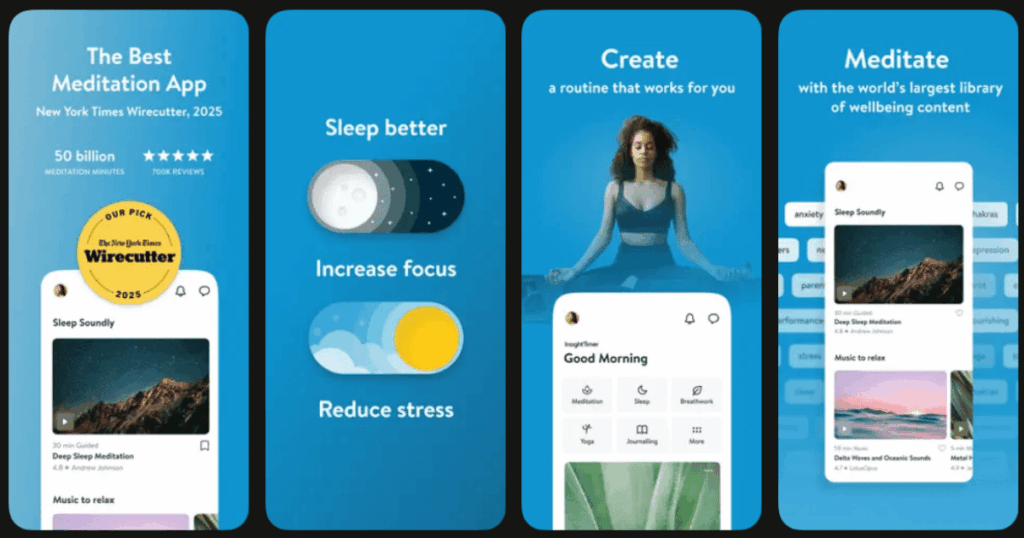
Insight Timer has over 220,000 free meditations. That is bigger than any other meditation app I have found. Teachers from around the world upload content directly to the app.
The community features let you see how many people are meditating around the world at the same time. This creates a nice sense of connection. The app has been around since 2009 and has millions of loyal users.
Key Features:
- Massive free library of guided meditations, music, and talks
- Customizable meditation timer with different bells and background sounds
- Live events, courses, and community features
What I like: The amount of free content is incredible. I could use this app for years and never run out of new things to try. Following specific teachers is a nice touch. The TED talks on mindfulness are a bonus.
What I don’t like: Because anyone can upload content, quality varies a lot. Some meditations are amazing and others are not great. It can feel overwhelming with so many choices.
Pricing: Free with optional premium subscription for extra features.
Platforms: iOS and Android
#8. Sanvello – Best for Managing Stress and Anxiety

Sanvello blends self care tools with peer support and optional therapy. It offers clinically validated techniques for dealing with stress, anxiety, and depression. The app tracks your mood and helps you spot patterns.
Over 3 million people have downloaded Sanvello. Some health insurance plans in Canada and the US actually cover the premium features. This makes professional level support more affordable.
Key Features:
- Mood tracking with insights into emotional patterns
- Peer support community to connect with others
- CBT based coping tools and guided journeys
What I like: Having peer support built into the app is really helpful. It feels less lonely knowing others understand what I am going through. The journeys are well structured and easy to follow.
What I don’t like: Some features require the premium subscription. The app can feel a bit clinical compared to others. The interface is not as beautiful as some competitors.
Pricing: Free version available. Premium subscription with more features. May be covered by some health plans.
Platforms: iOS and Android
#9. HealthyMinds – Best for Mood Tracking for Canadians
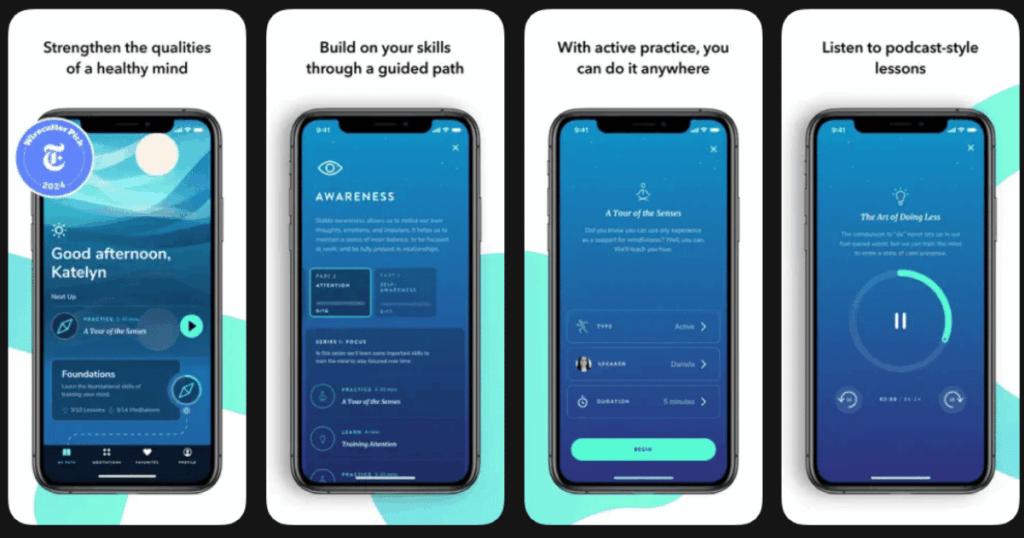
HealthyMinds was created by The Royal Ottawa Mental Health Centre. This is one of Canada’s leading mental health hospitals. The app helps you track your mood, practice mindfulness, and set personal goals.
Being developed by Canadian mental health experts makes this app feel trustworthy. It is designed specifically for the challenges that young Canadians face. The daily check ins help you understand your emotional patterns.
Key Features:
- Mood tracking with visual graphs of your emotional patterns
- Journaling features to reflect on your thoughts
- Goal setting tools for personal growth
What I like: I trust this app because it comes from a respected Canadian hospital. The self check ins are quick and easy. It is nice to have something designed with Canadians in mind.
What I don’t like: Currently only available on iPhone. The Android version was removed from Google Play. Features are more limited compared to bigger apps.
Pricing: Free.
Platforms: iOS only
Are Mental Health Apps Effective?
Many studies show that mental health apps can help with mild to moderate symptoms of anxiety and depression. Apps that use cognitive behavioral therapy techniques tend to work best. Research published on apps like Woebot showed reduced depression symptoms in just two weeks of use.
However, apps work best when used alongside other support. They are not meant to replace professional therapy for serious conditions. Think of them as helpful tools in your overall mental health toolkit. The key is finding an app that you will actually use regularly.
Can I Use a Mental Health App Instead of Therapy?
Mental health apps are great for self help and daily maintenance. They can teach you coping skills and help you track your moods. But they cannot replace professional therapy for serious mental health conditions.
If you are dealing with major depression, trauma, or thoughts of self harm, please reach out to a mental health professional. Apps like Life7 or Calm can support your therapy journey. Many therapists actually recommend apps to use between sessions. The combination of both works best for most people.
How Do I Choose the Right Mental Health App?
Start by thinking about what you need most. Are you struggling with sleep? Calm or Life7 might be best. Need help with anxiety? Try MindShift CBT. Want to learn meditation from scratch? Headspace is great for beginners.
I suggest trying free versions or free trials before paying for a subscription. Most apps offer at least a week to try the premium features. Pay attention to how the app makes you feel and whether you actually want to open it every day. The best app is the one you will use consistently.