9 Best Imposter Syndrome Apps For Your Phone
| App Name | Best For | Key Features | AC Rating | Pricing |
|---|---|---|---|---|
| Life7 | Complete mental wellness and imposter syndrome relief | CBT, hypnotherapy, affirmations, binaural beats, sleep stories | 4.8/5 | Free trial, then subscription |
| Imposter Syndrome Hacks | Targeted imposter syndrome breakthrough | 5-minute daily habits, research-backed techniques, progress tracking | 4.5/5 | Free tier, premium subscriptions |
| Headspace | Meditation for self-doubt and anxiety | Guided meditations, self-esteem courses, sleep content | 4.6/5 | Free trial, then subscription |
| Calm | Building self-esteem through mindfulness | Daily meditations, self-esteem programs, sleep stories | 4.7/5 | Free content, premium subscription |
| ThinkUp | Personalized positive affirmations | Record your own voice, 300+ affirmations, daily reminders | 4.4/5 | Free tier, premium options |
| Woebot | AI-powered CBT for negative thoughts | Chatbot therapy, mood tracking, thought challenging | 4.5/5 | Free |
| Happify | Game-based confidence building | CBT games, 65+ tracks, self-confidence activities | 4.3/5 | Free tier, premium subscription |
| MindShift CBT | Anxiety and perfectionism management | Fear ladders, coping tools, community support | 4.4/5 | Free |
| Daylio | Mood tracking for self-awareness | One-tap entries, pattern recognition, goal setting | 4.6/5 | Free tier, premium options |
#1. Life7 – Best for Complete Mental Wellness and Imposter Syndrome Relief
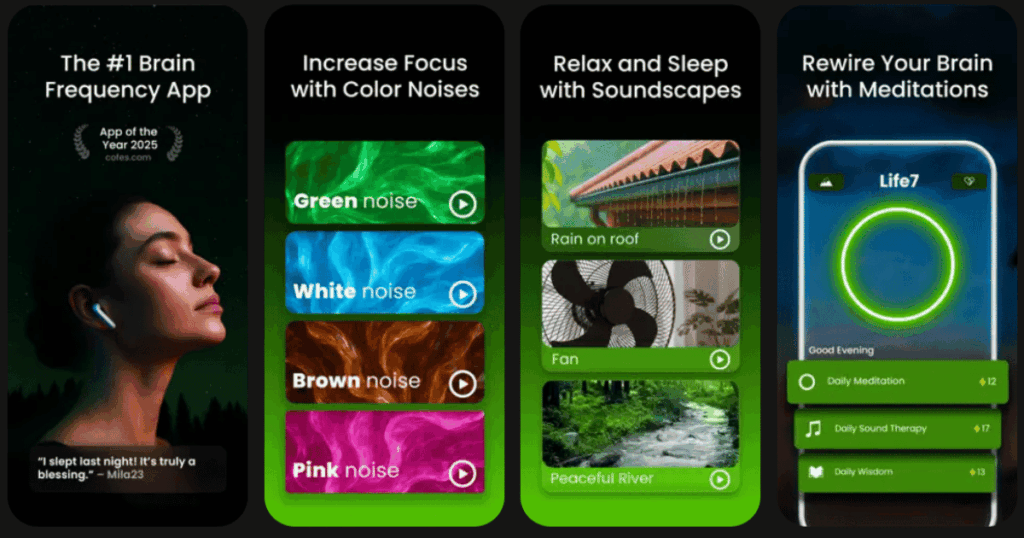
Life7 stands out as my top pick for tackling imposter syndrome. This all-in-one mental wellness app combines everything you need to rebuild your confidence from the ground up.
With over 312 million meditation minutes logged and 1200+ editorial mentions, Life7 has proven itself as a trusted companion for millions. The app targets imposter syndrome through multiple angles. You get powerful affirmations to reprogram limiting beliefs, CBT techniques for challenging negative thoughts, and hypnotherapy for deep emotional healing.
What makes Life7 special is how it addresses the root causes of self-doubt. It helps calm your nervous system through vagus nerve stimulation and offers SOS sessions when anxiety hits hard.
Key Features:
- Cognitive behavioral therapy and hypnotherapy sessions designed to challenge self-doubt patterns
- Powerful affirmations library to rewire negative self-talk and build confidence
- Multiple sound therapies including binaural beats, solfeggio frequencies, and relaxing nature sounds
What I like: I really appreciate how Life7 offers something for every mood and situation. Whether I need a quick breathing exercise to calm pre-meeting nerves or a deep meditation to work through limiting beliefs, it is all there. The gamified approach with XP and streaks keeps me motivated to stay consistent. The daily check-ins help me track my mental state over time. The variety of content never gets boring, and new sessions are added every single day.
What I don’t like: The free content available is a bit limited. To really get the full experience and access all the deep healing tools, you need a subscription. However, they do offer frequent special offers and a 7 day free trial to test everything out first.
Pricing: Free 7-day trial available. Weekly, monthly, and yearly subscription plans are offered with frequent special discounts.
Platforms: iOS and Android
#2. Imposter Syndrome Hacks – Best for Targeted Imposter Syndrome Breakthrough
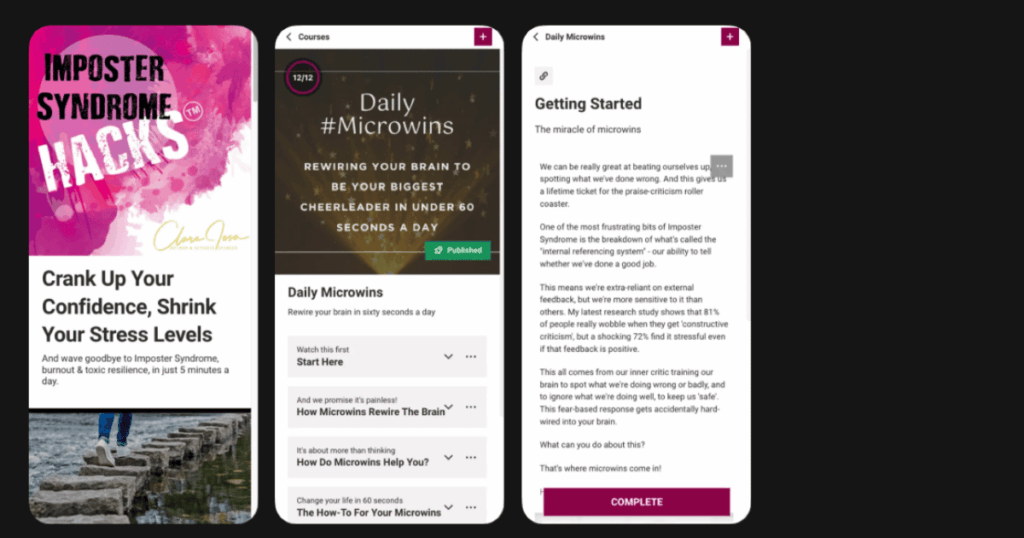
This app was specifically created to address imposter syndrome head-on. Developed by Clare Josa, a leading authority on the topic, it offers science-backed strategies in easy 5-minute chunks.
The app tackles the “4 Ps” of imposter syndrome: perfectionism, procrastination, project paralysis, and people-pleasing. It is built on 20+ years of research helping over 100,000 people overcome self-doubt and burnout.
What sets this apart is its laser focus on imposter syndrome specifically rather than general mental wellness.
Key Features:
- Research-backed quiz to measure your imposter syndrome score with tailored recommendations
- Monthly micro-change habits designed to create lasting breakthroughs in just 5 minutes daily
- Built-in habit trackers, virtual journal, and community support forum
What I like: The 5-minute daily approach is perfect for busy people. I love that it focuses entirely on imposter syndrome rather than trying to do everything. The bite-sized lessons feel manageable even on overwhelming days. The progress tracking helps you see real changes happening over time.
What I don’t like: The app is relatively new, launching in March 2024. This means the content library is still growing. Some features like the community discussions require higher membership tiers to access fully.
Pricing: Free membership tier with basic features. Paid tiers for Essentials and Courage Club memberships with additional features.
Platforms: iOS and Android
#3. Headspace – Best for Meditation for Self-Doubt and Anxiety
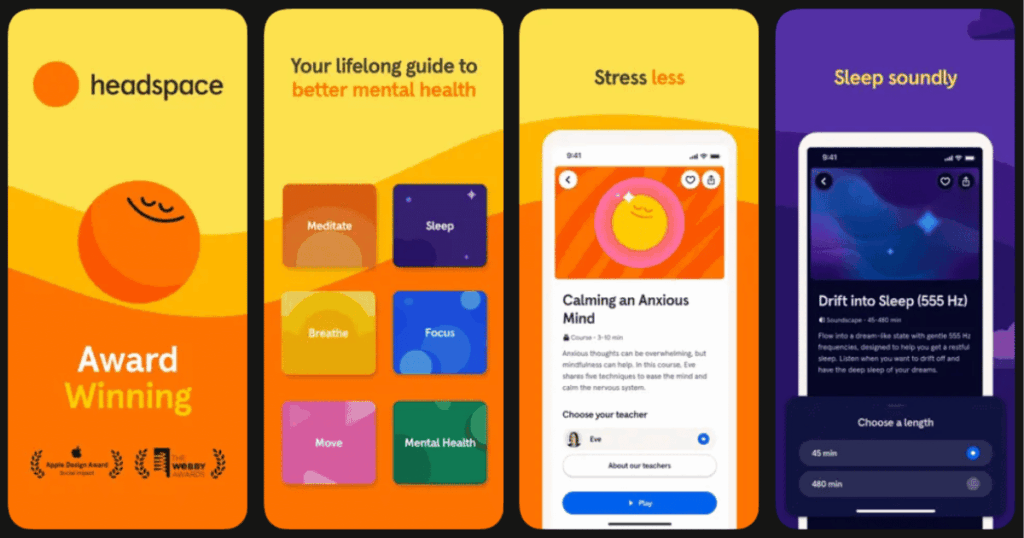
Headspace has become one of the most recognized names in meditation apps for good reason. It offers structured courses specifically designed to address the anxiety and self-doubt that fuel imposter syndrome.
Research shows that using Headspace for just 10 days can reduce negative emotions by 28%. The app guides you through proven techniques to quiet racing thoughts and build genuine confidence.
Their content is created by meditation experts and backed by science. This makes it feel trustworthy when you are working on deep issues like self-worth.
Key Features:
- Dedicated meditation courses on self-esteem, confidence, and managing work stress
- Daily meditations that take just 10 minutes to complete
- Sleep content and anxiety-reducing tools to support overall mental health
What I like: The structured courses make it easy to follow along without feeling lost. I appreciate how the app explains the science behind each technique. The variety of instructors keeps things fresh. The beginner-friendly approach makes meditation accessible even if you have never tried it before.
What I don’t like: Most of the good content requires a paid subscription. The app can feel overwhelming with so many options to choose from. Some users find the narration style too calm or slow for their taste.
Pricing: Limited free content available. Subscription required for full access to courses and library.
Platforms: iOS and Android
#4. Calm – Best for Building Self-Esteem Through Mindfulness
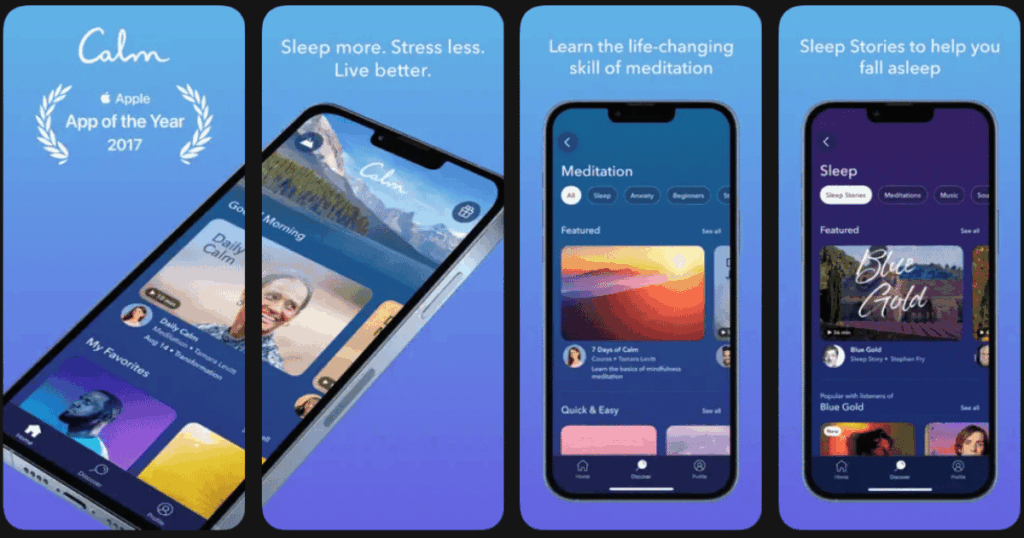
Calm has won multiple awards including Apple’s App of the Year. It offers a comprehensive approach to building self-esteem through mindfulness and meditation.
The app includes specific programs like “7 Days of Self-Esteem” designed to help you find self-acceptance and awaken inner strength. Celebrity narrated sleep stories help you relax and reset negative thought patterns overnight.
Studies show Calm effectively reduces stress and improves self-compassion in regular users.
Key Features:
- Dedicated self-esteem meditation programs with expert-led guidance
- Extensive sleep story library narrated by famous voices to help you rest and reset
- Daily Calm sessions providing 10 minutes of mindfulness every single day
What I like: The production quality is outstanding. The nature scenes and sounds create a genuinely calming experience. I love how the Daily Calm gives me something new to look forward to each day. The self-esteem specific content addresses the root of imposter syndrome directly.
What I don’t like: The subscription cost is on the higher side compared to some alternatives. The sheer amount of content can create decision fatigue when you just want to get started. Free users have very limited access.
Pricing: Free trial available. Premium subscription required for most content.
Platforms: iOS and Android
#5. ThinkUp – Best for Personalized Positive Affirmations
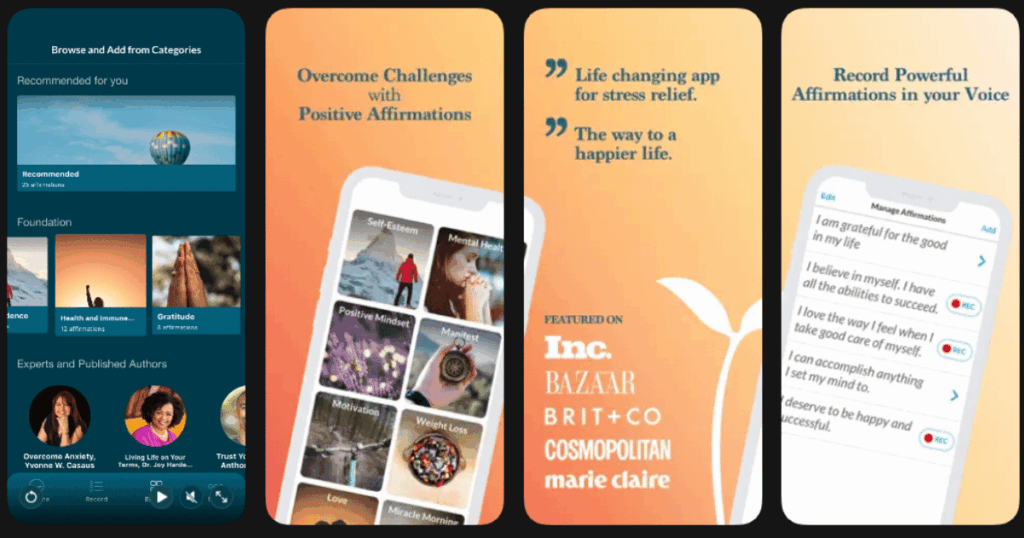
ThinkUp takes a unique approach to fighting imposter syndrome. You record affirmations in your own voice, which research suggests makes them more powerful and believable to your brain.
The app offers over 300 expert-approved affirmations covering self-esteem, motivation, anxiety, and more. You can also create completely custom affirmations tailored to your specific struggles.
Listening to positive statements in your own voice daily helps reprogram negative self-talk over time.
Key Features:
- Record affirmations in your own voice for maximum impact on your subconscious mind
- Choose from 300+ professional affirmations across 10+ life goal categories
- Add background music and set daily reminders to build a consistent practice
What I like: Hearing my own voice saying positive things feels different than listening to someone else. It is harder to dismiss the statements as untrue. The ability to customize everything makes it feel truly personal. The tracking features help you see your practice building over time.
What I don’t like: If you do not like hearing your own recorded voice, this app might feel uncomfortable at first. The interface could be more user-friendly. Some features require the premium version to unlock fully.
Pricing: Free tier with limited affirmations. Monthly and lifetime premium options available.
Platforms: iOS and Android
#6. Woebot – Best for AI-Powered CBT for Negative Thoughts

Woebot offers something unique: an AI chatbot therapist available 24/7. It uses cognitive behavioral therapy techniques to help you identify and challenge the distorted thinking patterns behind imposter syndrome.
Research published in peer-reviewed journals shows Woebot significantly reduces symptoms of depression and anxiety. The friendly robot makes therapy techniques feel accessible and judgment-free.
It won the 2019 Google Play Award for Standout Well-Being App and has been featured on major media outlets.
Key Features:
- AI chatbot that guides you through CBT exercises to challenge negative thoughts
- Daily mood tracking with visual charts showing your patterns over time
- Bite-sized lessons and videos teaching evidence-based coping strategies
What I like: Having support available any time day or night is incredibly valuable. The chatbot feels surprisingly warm and engaging despite being AI. The CBT exercises are genuinely helpful for reframing imposter thoughts. There is no judgment involved which makes it easier to be honest.
What I don’t like: Sometimes the bot cannot fully understand complex responses. It cannot replace human therapy for serious mental health concerns. Currently requires an access code from a provider or employer for full access in some regions.
What I don’t like: Sometimes the bot cannot fully understand complex responses. It cannot replace human therapy for serious mental health concerns.
Pricing: Currently free to use.
Platforms: iOS and Android
#7. Happify – Best for Game-Based Confidence Building

Happify turns mental wellness into something fun. The app uses games and activities based on CBT and positive psychology to help you build self-confidence and reduce negative thinking.
With over 65 tracks covering topics like building self-confidence and enhancing career success, you can target exactly what you need. The playful approach makes it easier to stay consistent.
Mental health professionals helped create the content, so the fun activities are backed by real science.
Key Features:
- Interactive games and activities specifically designed to build self-confidence
- 65+ learning tracks addressing different aspects of life including career success
- Progress tracking that shows your skills growing over time
What I like: Making mental health work feel like a game removes a lot of resistance. I find myself actually wanting to open the app. The variety of activities keeps things interesting. The self-confidence specific tracks directly address imposter syndrome triggers.
What I don’t like: Some timed challenges can actually create stress instead of reducing it. The free version is quite limited in what you can access. The colorful design might feel too playful for some users who want a more serious approach.
Pricing: Free version with limited content. Premium subscription for full access.
Platforms: iOS and Android
#8. MindShift CBT – Best for Anxiety and Perfectionism Management
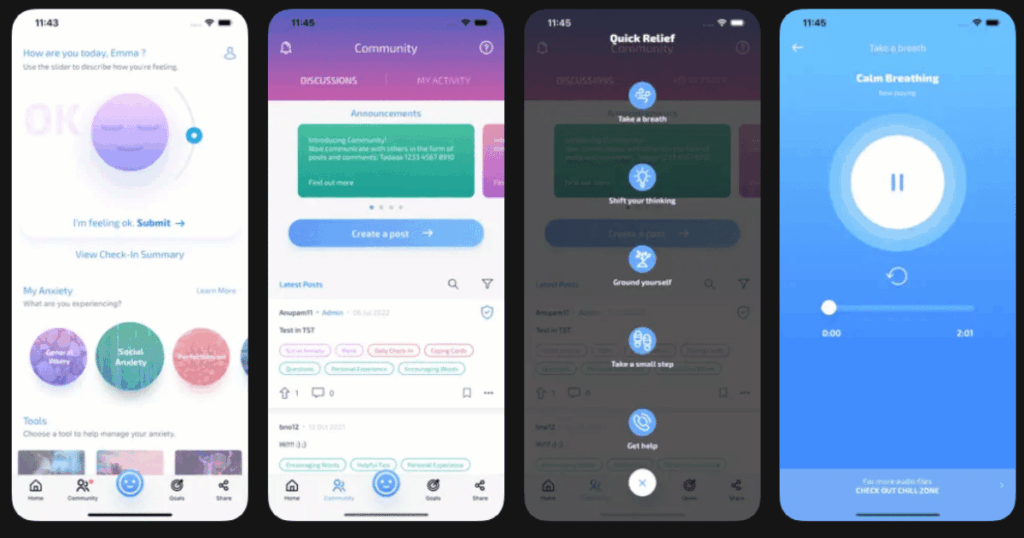
MindShift CBT was developed specifically by Anxiety Canada to help people manage anxiety, panic, and perfectionism. These are all common triggers for imposter syndrome.
The app is completely free, which is rare for quality mental health tools. It provides practical CBT strategies without any subscription pressure.
Fear ladders help you gradually build confidence facing situations that trigger self-doubt.
Key Features:
- Fear ladders that help you build confidence gradually by facing anxiety triggers step by step
- Coping tools including thought journals, coping cards, and calming exercises
- Community forum connecting you with others who understand your struggles
What I like: Being completely free makes this incredibly accessible. The perfectionism tools directly target a major source of imposter feelings. The thought journal helps you catch negative patterns in real time. The community aspect reminds you that you are not alone.
What I don’t like: The focus is primarily on anxiety rather than confidence building specifically. The design feels a bit dated compared to newer apps. Some users find the tracking features time-consuming.
Pricing: Completely free.
Platforms: iOS and Android
#9. Daylio – Best for Mood Tracking for Self-Awareness

Daylio helps you understand yourself better through simple mood tracking. You can create entries in just two taps by selecting your mood and activities without typing anything.
The app reveals patterns between what you do and how you feel. This self-awareness is crucial for understanding your imposter syndrome triggers.
It has been praised for its simplicity and effectiveness in helping people with various mental health challenges.
Key Features:
- One-tap mood tracking that takes just seconds to complete each entry
- Pattern recognition showing connections between activities and emotional states
- Goal setting and habit tracking to build confidence-boosting routines
What I like: The simplicity means I actually stick with it. Seeing patterns in my data helped me identify what triggers my self-doubt. The “Year in Pixels” view gives a powerful visual of my emotional journey. Complete privacy with data stored locally on my device.
What I don’t like: The app does not offer specific guidance or therapy techniques. You need to interpret the data yourself to gain insights. Some features require premium to access, like multiple daily reminders.
Pricing: Free tier available. Premium unlock for advanced features.
Platforms: iOS and Android
What Is Imposter Syndrome and How Can Apps Help?
Imposter syndrome is a psychological pattern where you doubt your accomplishments and fear being exposed as a fraud. Even highly successful people experience it. Studies suggest up to 70% of people feel this way at some point in their lives.
Apps can help by providing daily tools to challenge negative thought patterns. They offer structured approaches based on proven techniques like cognitive behavioral therapy. Many provide tracking features that help you recognize progress over time.
The key benefit is having support available anytime you need it. When imposter feelings hit before a big meeting or after receiving feedback, you can immediately access calming exercises and perspective-shifting tools right from your phone.
How Long Does It Take to See Results From Mental Wellness Apps?
Most research suggests you should use mental wellness apps consistently for at least 2-4 weeks before expecting noticeable changes. Some studies show benefits appearing in as little as 10 days of daily practice.
The key is consistency rather than duration. Even 5-10 minutes daily tends to produce better results than occasional longer sessions. Apps with reminder features and streak tracking help you stay on track.
Remember that overcoming imposter syndrome is a journey, not a quick fix. These apps work best as ongoing tools for maintaining mental wellness rather than one-time solutions.
Can Apps Replace Professional Therapy for Imposter Syndrome?
Apps are excellent supplements to professional therapy but should not be seen as complete replacements for everyone. They work well for mild to moderate imposter syndrome symptoms and general confidence building.
If your imposter feelings significantly impact your daily life, relationships, or career, consider working with a licensed therapist. Many people find the best results come from combining professional support with daily app-based practice.
Apps can also serve as bridges, providing support between therapy sessions or while waiting to access professional help. They give you tools to use in real-time when imposter feelings strike.