9 Best Gut-Brain Connection Apps For Your Phone
| App Name | Best For | Key Features | AC Rating | Pricing |
|---|---|---|---|---|
| Life7 | Complete mind-body wellness | Vagus nerve stimulation, CBT, binaural beats, sleep stories | 4.8/5 | Free trial, weekly/monthly/yearly plans |
| Nerva | IBS symptom management | Gut-directed hypnotherapy, 6-week program, symptom tracking | 4.6/5 | Subscription-based |
| Calm | Stress reduction and sleep | Guided meditations, sleep stories, breathing exercises | 4.5/5 | Free limited, premium subscription |
| Headspace | Beginners to mindfulness | Daily meditations, CBT techniques, sleep content | 4.5/5 | Free trial, subscription |
| Insight Timer | Free meditation library | 100,000+ free meditations, community features, timer | 4.4/5 | Free, optional premium |
| Calm Gut | Gut-directed hypnotherapy with CBT | 200+ audio sessions, structured healing paths, CBT tools | 4.3/5 | Free trial, subscription |
| Cara Care | Food and symptom tracking | FODMAP diet guidance, dietitian access, symptom diary | 4.3/5 | Free tracker, premium programs |
| Breathe | Quick stress relief sessions | 5-minute meditations, white noise, hypnotherapy | 4.2/5 | Free limited, subscription |
| Healthy Minds | Science-backed mindfulness | Podcast-style lessons, free access, active meditation | 4.1/5 | Completely free |
#1. Life7 – Best for Complete Mind-Body Wellness
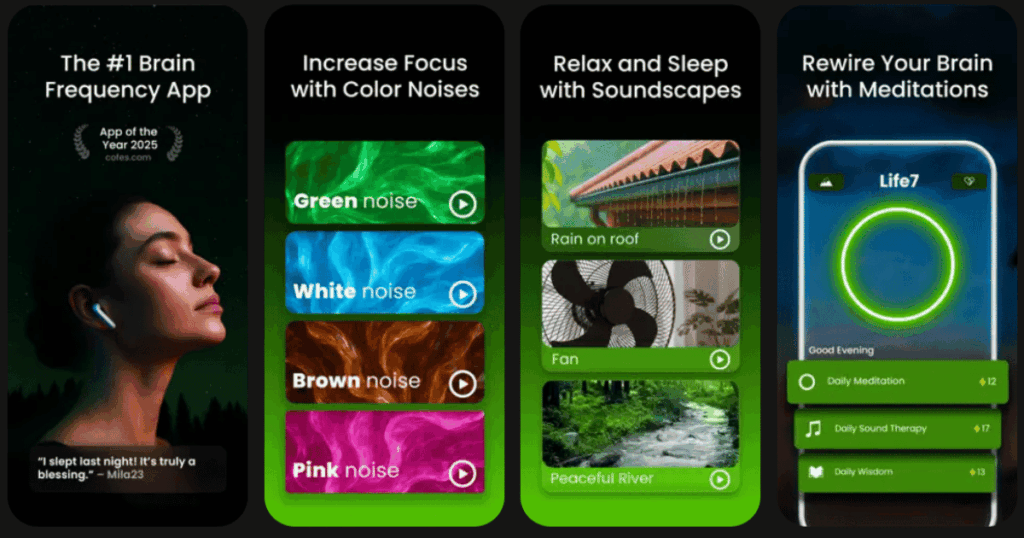
Life7 is an all-in-one mental wellness app that truly understands the gut-brain connection. This app brings together everything you need to calm your nervous system in one place. With over 1200 editorial mentions and 312 million meditation minutes logged, Life7 has proven itself as a leader in the wellness space.
What makes Life7 special is its focus on the vagus nerve. This is the main highway between your gut and brain. The app offers specific vagus nerve stimulation sessions to restore inner balance. You also get access to CBT (cognitive behavioral therapy) and hypnotherapy for deep emotional healing.
Key Features:
- Vagus nerve stimulation sessions, nervous system reset programs, and transcendental meditation for deep awareness
- Multiple sound therapies including binaural beats, 432 Hz frequencies, solfeggio frequencies, and 8D sleep audio
- SOS sessions for anxiety and panic attacks, breathing exercises, and daily check-ins with mood tracking
What I like: I love how Life7 combines so many tools in one app. The backdrop mode lets you mix soundscapes with meditations or sleep stories. This is perfect for creating your own calming experience. The gamified approach keeps me coming back. I earn XP for completing sessions and can unlock new content. The daily sessions keep things fresh, and tracking my streaks motivates me to stay consistent.
What I don’t like: The free content is a bit limited. You need a subscription to unlock the full library. However, the 7-day free trial gives you plenty of time to explore before committing.
Pricing: Free trial available with weekly, monthly, and yearly subscription plans. They also run frequent special offers.
Platforms: iOS and Android
#2. Nerva – Best for IBS Symptom Management
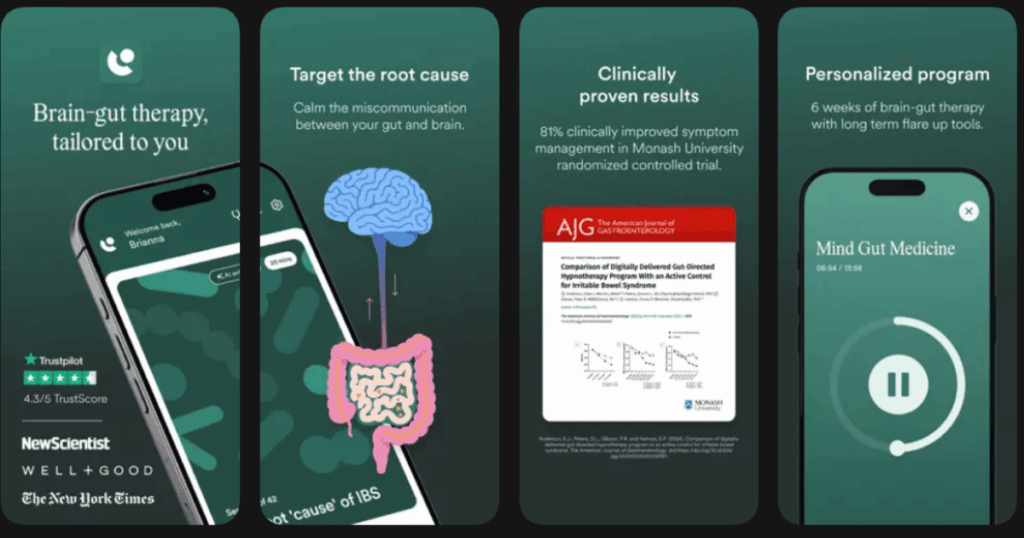
Nerva was developed by Dr. Simone Peters at Monash University. This app uses gut-directed hypnotherapy to help manage IBS symptoms. It targets the miscommunication between your gut and brain that causes so many digestive problems.
The app offers a 6-week psychology-based program. Each day you get hypnotherapy recordings designed to retrain your gut-brain connection. Studies show this approach works just as well as the low FODMAP diet for managing IBS symptoms.
Key Features:
- 6-week gut-directed hypnotherapy program with 42 daily sessions
- Symptom tracking for pain, bloating, and stool consistency plus stress and anxiety levels
- Guided deep breathing exercises and educational readings about IBS and gut function
What I like: Nerva fills a real gap in healthcare. Getting gut-directed hypnotherapy from a qualified therapist is expensive and hard to find. This app delivers the same evidence-based treatment at a fraction of the cost. The daily sessions are easy to fit into my schedule, and I can do them from the comfort of my home.
What I don’t like: The program requires daily commitment for six weeks. If you miss sessions or don’t engage fully, you may not see the same results. Some people need more personalized support than an app can offer.
Pricing: Subscription-based with various plan options
Platforms: iOS and Android
#3. Calm – Best for Stress Reduction and Sleep
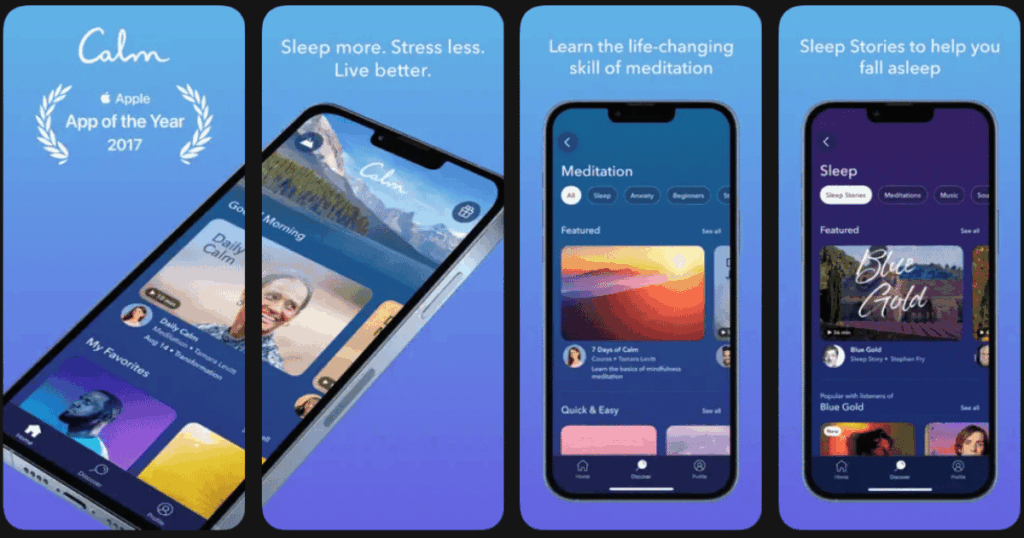
Calm is one of the most popular meditation apps in the world. It helps shift your nervous system from fight-or-flight mode into a relaxed state. This directly supports your gut-brain connection since stress is a major trigger for digestive issues.
The app offers a huge library of guided meditations covering anxiety, stress, and sleep. Their famous Sleep Stories help you drift off peacefully. The 60-second Breathe Bubble is perfect for when you need quick relief.
Key Features:
- 500+ sleep stories with new ones added weekly, plus hours of guided meditations
- Daily meditation offerings from a range of teachers focused on wisdom and gratitude
- Exclusive music tracks for focus, relaxation, and sleep with breathing exercises
What I like: Calm makes meditation accessible even when life gets busy. The check-in feature asks how I’m feeling and suggests the right content for my mood. The celebrity-voiced sleep stories are a nice touch. I especially appreciate how the app teaches proper breathing techniques that stimulate the vagus nerve.
What I don’t like: The free version is very limited. Most of the good content requires a subscription. The price point is higher than some competitors, which may not work for everyone’s budget.
Pricing: Limited free content, premium subscription required for full access
Platforms: iOS and Android
#4. Headspace – Best for Beginners to Mindfulness
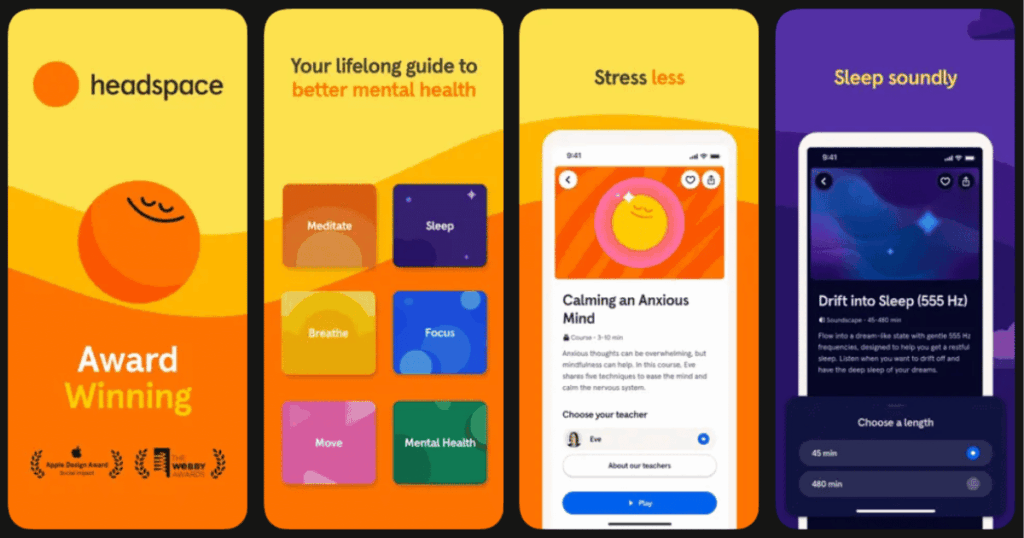
Headspace is perfect if you’re new to meditation and want to understand how it helps your gut-brain connection. The app starts with short animations that explain mindfulness principles. Then it guides you through simple practices.
The app is proven to reduce anxiety in just two weeks of use. It offers over 500 guided meditations plus mindful movement exercises. These strengthen the mind-body connection that’s so important for gut health.
Key Features:
- Daily meditations from 3-minute resets to longer sessions, with mood-based recommendations
- Sleep content including meditations, soundscapes, and sleepcasts for better rest
- CBT techniques and therapy integration with licensed therapists available
What I like: Headspace removes the mystery from meditation. The animations really helped me understand why mindfulness matters for my body. The SOS sessions for panic moments have saved me more than once. I also love how it tracks my progress so I can see real improvement over time.
What I don’t like: The content can feel repetitive after using the app for a while. Advanced meditators might find the offerings too basic. The free content is quite limited compared to some other apps.
Pricing: Free trial, then subscription required for full access
Platforms: iOS and Android
#5. Insight Timer – Best for Free Meditation Library
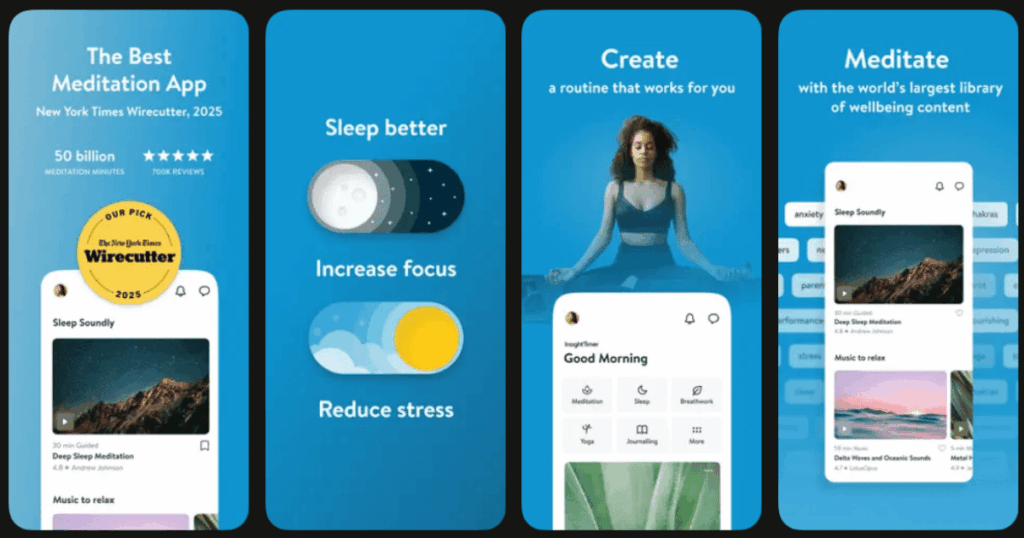
Insight Timer offers the largest free meditation library available. With over 100,000 guided meditations, you can find content for any need. Teachers from Stanford, Harvard, and Oxford contribute to the platform.
The app started as a simple meditation timer. Now it’s a complete platform with content on anxiety, stress, sleep, and more. The community features connect you with millions of other meditators worldwide.
Key Features:
- 100,000+ free guided meditations with 100+ new ones added daily
- Customizable meditation timer with various bell sounds and ambient backgrounds
- Community features, groups, live events, and one-on-one mentoring options
What I like: The free content here is incredible. I’ve found meditations specifically for vagus nerve stimulation and nervous system regulation. The variety of teachers means you can find someone whose voice and style works for you. The timer feature is great for unguided practice too.
What I don’t like: The sheer amount of content can be overwhelming. It takes time to find quality meditations among so many options. The social features feel distracting when I just want to meditate quietly. Courses require a premium subscription.
Pricing: Free with extensive library, optional premium subscription available
Platforms: iOS and Android
#6. Calm Gut – Best for Gut-Directed Hypnotherapy with CBT
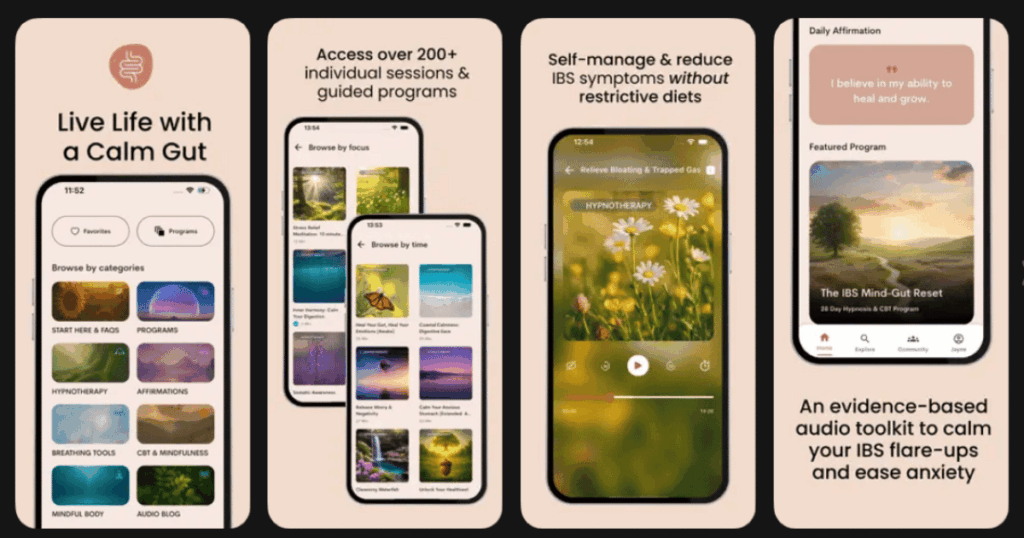
Calm Gut was created by a certified hypnotherapist who struggled with IBS herself. The app combines gut-directed hypnotherapy with cognitive behavioral therapy. This dual approach addresses both the physical and mental sides of gut issues.
With over 200 audio sessions, you get tools to calm your nervous system and manage symptoms. The app offers structured healing paths for deeper, long-term improvement.
Key Features:
- 200+ audio sessions combining gut-directed hypnotherapy and CBT techniques
- Structured healing paths for long-term symptom management and gut health
- Breathing exercises, mindfulness techniques, and education on the gut-brain connection
What I like: The combination of hypnotherapy and CBT feels more complete than apps that only offer one approach. Having someone who actually lived with IBS create the content makes it feel more authentic and understanding. The focused exercises for specific symptoms like bloating are really helpful.
What I don’t like: The app is more specialized than general wellness apps. If you don’t have specific gut issues, you might not get as much value. Results take 6-8 weeks for most people, which requires patience and commitment.
Pricing: Free 7-day trial, then subscription required
Platforms: iOS and Android
#7. Cara Care – Best for Food and Symptom Tracking
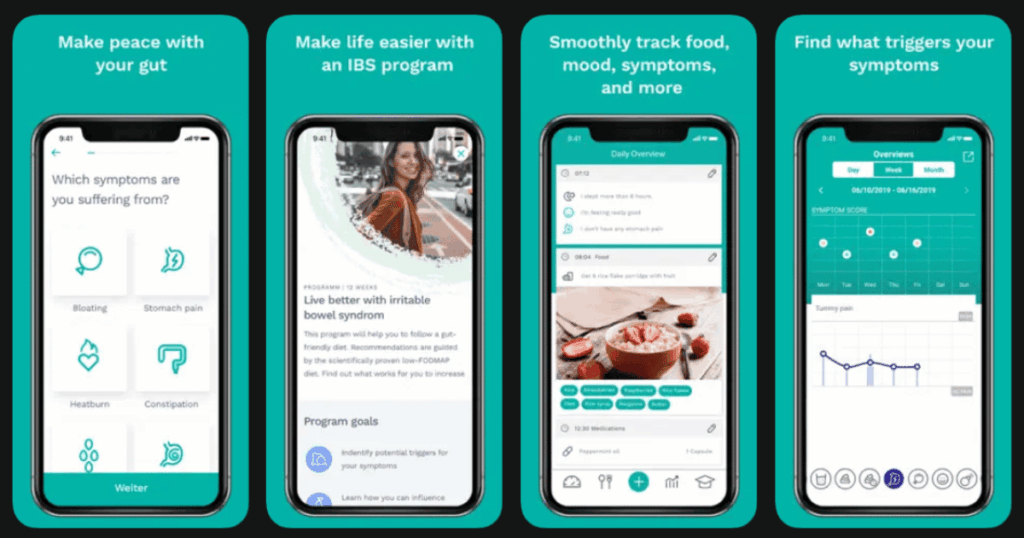
Cara Care helps you understand the connection between what you eat and how you feel. The app was developed by doctors and is being acquired by Bayer. It tracks food, stress, symptoms, and bowel habits all in one place.
The 12-week IBS program guides you through the low FODMAP diet. You get unlimited chat access with a registered dietitian. This personalized support helps you identify your specific triggers.
Key Features:
- Comprehensive food and symptom tracking with stress level monitoring
- 12-week low FODMAP diet program with personalized dietitian support
- Apple Health integration to see connections between activity and symptoms
What I like: Cara Care shows me patterns I never noticed on my own. The app reveals what I ate on my best versus worst symptom days. Having access to a real dietitian makes a huge difference. The symptom tracking is incredibly detailed but still easy to use.
What I don’t like: The free version is just a tracker. You need the paid program for the real benefits like dietitian access. Daily logging takes commitment. If you skip days, the data becomes less useful.
Pricing: Free basic tracker, paid programs for full features
Platforms: iOS and Android
#8. Breathe – Best for Quick Stress Relief Sessions
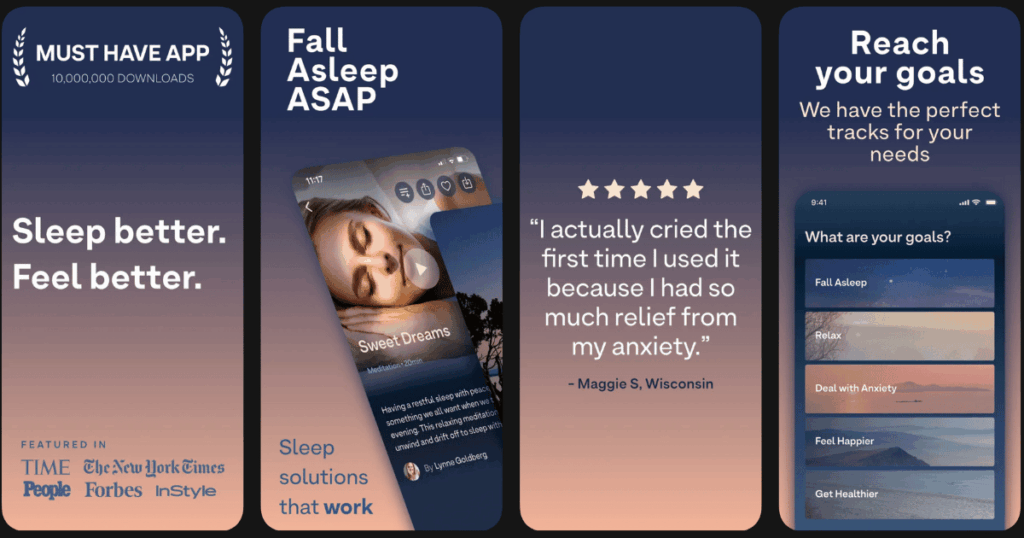
Breathe was designed for people who feel too busy to meditate. The app focuses on 5-minute sessions that fit into any schedule. It offers guided meditations, nature sounds, white noise, and even hypnotherapy.
Managing daily stress is crucial for gut health. Stress directly impacts digestion through the gut-brain axis. Breathe gives you tools to find calm even during your busiest days.
Key Features:
- 5-minute meditation sessions designed for busy schedules
- Nature sounds, white noise, and music for relaxation and focus
- Hypnotherapy sessions and sleep support tools
What I like: The 5-minute sessions remove my excuses for not meditating. I can do one between meetings or while waiting for my coffee. The variety of content keeps things interesting. The hypnotherapy options add another layer of support for stress relief.
What I don’t like: The brevity of sessions may not provide deep enough relaxation for some people. The free content is limited. The app doesn’t specifically target gut health, so you need to know which sessions help the gut-brain connection.
Pricing: Limited free content, subscription for full access
Platforms: iOS and Android
#9. Healthy Minds – Best for Science-Backed Mindfulness
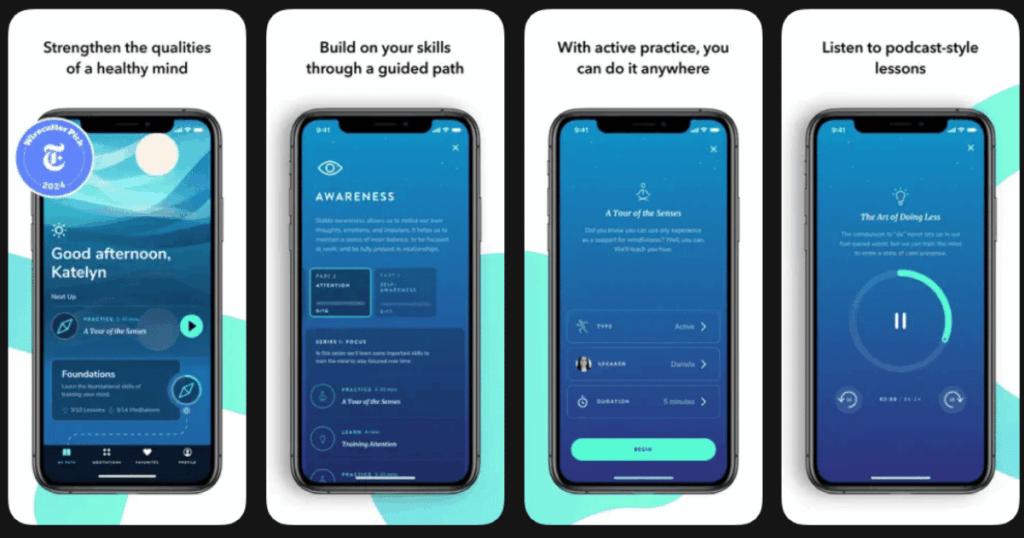
Healthy Minds comes from the Center for Healthy Minds at the University of Wisconsin-Madison. The app is completely free. It provides podcast-style lessons that explain the science behind meditation.
What makes this app unique is the focus on teaching you why mindfulness works. You learn how it affects your brain and body. This includes the vagus nerve and gut-brain communication.
Key Features:
- Completely free access to all content with no subscription required
- Podcast-style audio lessons for both seated and active meditation
- Science-based education on how mindfulness improves mental and physical health
What I like: I love that everything is free. The educational approach helped me understand exactly how meditation supports my gut health. The active meditation options work great when I can’t sit still. Knowing this comes from a major research university gives me confidence in the quality.
What I don’t like: The content library is smaller than paid apps. The podcast format isn’t for everyone. There’s less variety in meditation styles compared to apps with thousands of options.
Pricing: Completely free
Platforms: iOS and Android
What Is the Gut-Brain Connection and Why Does It Matter?
Your gut and brain talk to each other constantly through something called the gut-brain axis. The main communication line is the vagus nerve. This is the longest nerve in your body, running from your brain stem all the way down to your digestive system.
When you feel stressed, your brain sends signals that can upset your stomach. You’ve probably felt “butterflies” or stomach pain during anxious moments. This works both ways. An unhappy gut can send signals back to your brain that affect your mood.
Apps that focus on meditation, breathing exercises, and hypnotherapy can help calm this communication. They activate your parasympathetic nervous system, often called “rest and digest” mode. This directly improves digestion and reduces stress at the same time.
How Can Apps Help Improve the Gut-Brain Connection?
Gut-brain apps use several proven techniques to support this crucial connection. Breathing exercises stimulate the vagus nerve, which controls your parasympathetic response. Slow, deep breaths tell your body it’s safe to relax and digest.
Meditation reduces cortisol levels, the stress hormone that disrupts gut function. Regular practice can actually change how your brain responds to stress over time. This means fewer digestive flare-ups triggered by anxiety.
Gut-directed hypnotherapy specifically targets the miscommunication between gut and brain. Studies show it works as well as dietary changes for managing IBS. Apps make these therapies accessible without expensive in-person sessions.
How Do I Choose the Right Gut-Brain App for Me?
Start by identifying your main goal. If you have IBS or specific digestive issues, apps like Life7, Nerva, or Calm Gut offer targeted support. If general stress is your problem, Calm or Headspace might be better fits.
Consider your budget. Healthy Minds and Insight Timer offer substantial free content. Other apps require subscriptions but provide more specialized features. Most offer free trials so you can test before buying.
Think about how much time you have. Apps like Breathe offer quick 5-minute sessions. Programs like Nerva require daily 15-20 minute commitments. Choose something realistic for your lifestyle so you’ll actually stick with it.