9 Best Meditation Apps For Cancer Patients
| App Name | Best For | Key Features | AC Rating | Pricing |
|---|---|---|---|---|
| Life7 | Complete mental wellness support | SOS anxiety sessions, sleep stories, breathing exercises | 4.9/5 | Free trial, then subscription |
| Calm | Sleep and relaxation | Sleep stories, daily calm, masterclasses | 4.7/5 | Free basic, premium subscription |
| Headspace | Structured meditation programs | Guided courses, animations, focus music | 4.6/5 | Free basic, premium subscription |
| Insight Timer | Free meditation library | 100k+ free meditations, community, live events | 4.5/5 | Free with optional premium |
| Ten Percent Happier | Skeptics new to meditation | Expert teachers, practical approach, courses | 4.4/5 | Free trial, then subscription |
| Breethe | Stress and anxiety relief | Hypnotherapy, life coaching, sleep sounds | 4.3/5 | Free basic, premium subscription |
| Simple Habit | Busy schedules | 5-minute meditations, on-the-go sessions | 4.2/5 | Free basic, premium subscription |
| Smiling Mind | Mindfulness education | Program-based approach, free content | 4.1/5 | Completely free |
| The Mindfulness App | Personalized meditation practice | Customizable timers, guided and silent options | 4.0/5 | Free basic, premium subscription |
#1. Life7 – Best for Complete Mental Wellness Support
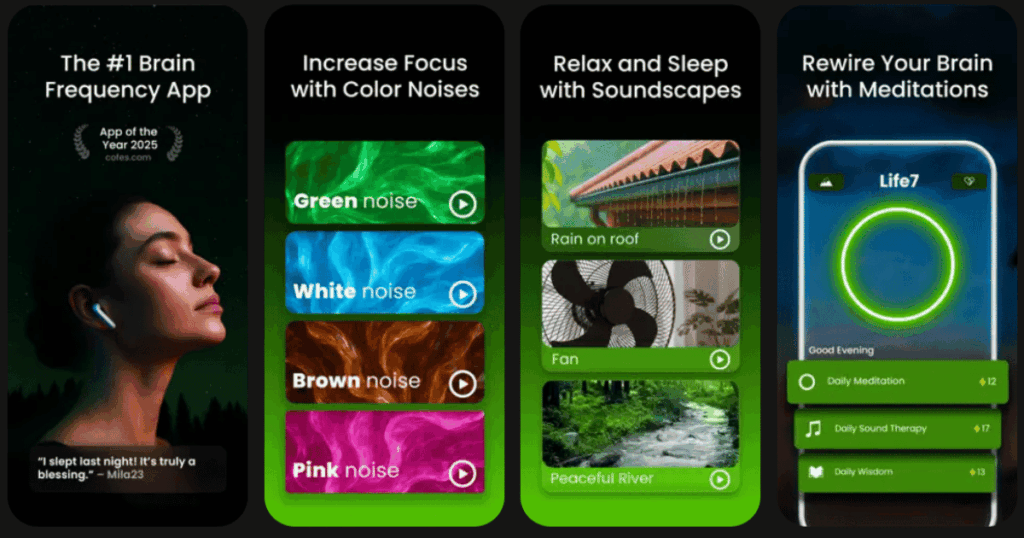
Life7 stands out as my top pick for cancer patients seeking mental wellness support. This app offers everything you need in one place. It combines meditation, sleep support, and emotional healing tools.
What makes it special for cancer patients? The SOS sessions help during moments of panic or anxiety. The breathing exercises calm your nervous system when stress hits hard. Sleep stories help you rest when your mind won’t quiet down.
The app has over 312 million meditation minutes logged by users. It also has 1200+ editorial mentions. This shows real people find real value here.
Key Features:
- SOS sessions designed specifically for anxiety and panic attacks
- Multiple sound therapy options including binaural beats and nature sounds
- Daily new content including meditations, music therapy, and wisdom sessions
What I like: I really appreciate how Life7 covers so many bases. The variety is amazing. You get everything from gentle sleep stories to powerful hypnotherapy sessions. The backdrop mode lets you mix sounds together. So you can create your perfect relaxing environment. The mood tracking helps you see your progress over time. And the gamified approach with XP points makes meditation feel rewarding rather than like a chore.
What I don’t like: The free version is a bit limited. You really need the paid subscription to access the best features. This might be frustrating if you want to try everything before committing.
Pricing: 7-day free trial available. Then choose from weekly, monthly, or yearly plans. They often run special offers.
Platforms: iOS and Android
#2. Calm – Best for Sleep and Relaxation
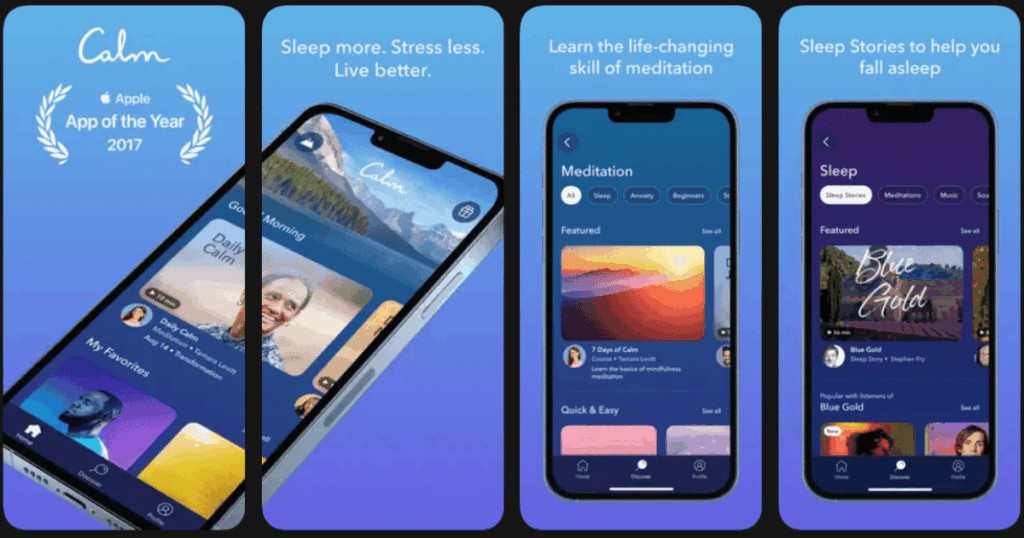
Calm has become one of the most popular meditation apps worldwide. It focuses heavily on sleep and relaxation. The app features celebrity voices reading bedtime stories. This makes falling asleep feel like a treat.
For cancer patients, good sleep is so important. Calm understands this. Their Sleep Stories collection is huge and keeps growing.
The Daily Calm gives you a fresh 10-minute meditation every day. This creates a nice routine to look forward to.
Key Features:
- Sleep Stories narrated by famous voices like Matthew McConaughey
- Breathing exercises and body scan meditations
- Masterclasses on topics like mindful eating and gratitude
What I like: The production quality is top-notch. Everything sounds beautiful and professional. The Sleep Stories are genuinely enjoyable to listen to. They make bedtime something to look forward to. The nature scenes and sounds create a peaceful atmosphere. I also appreciate the emergency calm sessions for stressful moments.
What I don’t like: The subscription cost is higher than some other apps. Also, the app can feel overwhelming with so much content. Finding what you need takes some exploring.
Pricing: Basic content is free. Premium subscription required for full access.
Platforms: iOS and Android
#3. Headspace – Best for Structured Meditation Programs
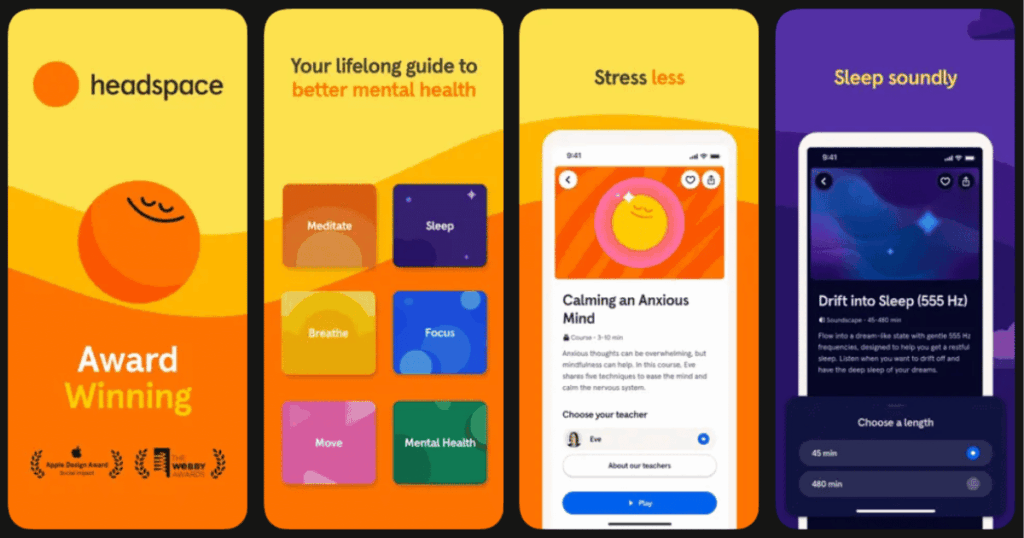
Headspace takes a course-based approach to meditation. This works great if you like following a clear path. The app uses fun animations to explain meditation concepts. This makes learning feel less intimidating.
For cancer patients new to meditation, this structure helps a lot. You don’t have to figure out what to do next. The app guides you step by step.
The focus music and sleep sounds add extra value beyond meditation.
Key Features:
- Themed meditation courses that build skills over time
- Animated videos explaining mindfulness concepts simply
- Focus modes with music designed to help concentration
What I like: I love how Headspace makes meditation feel approachable. The animations are charming and educational. They explain why meditation works, not just how to do it. The courses feel like you’re making real progress. The voice of the main teacher, Andy, is warm and calming. The app also offers specific content for tough times and difficult emotions.
What I don’t like: The style might feel too playful for some people. If you prefer a more serious approach, this might not fit. Also, less variety in teacher voices compared to other apps.
Pricing: Free basics pack available. Premium subscription unlocks everything.
Platforms: iOS and Android
#4. Insight Timer – Best for Free Meditation Library
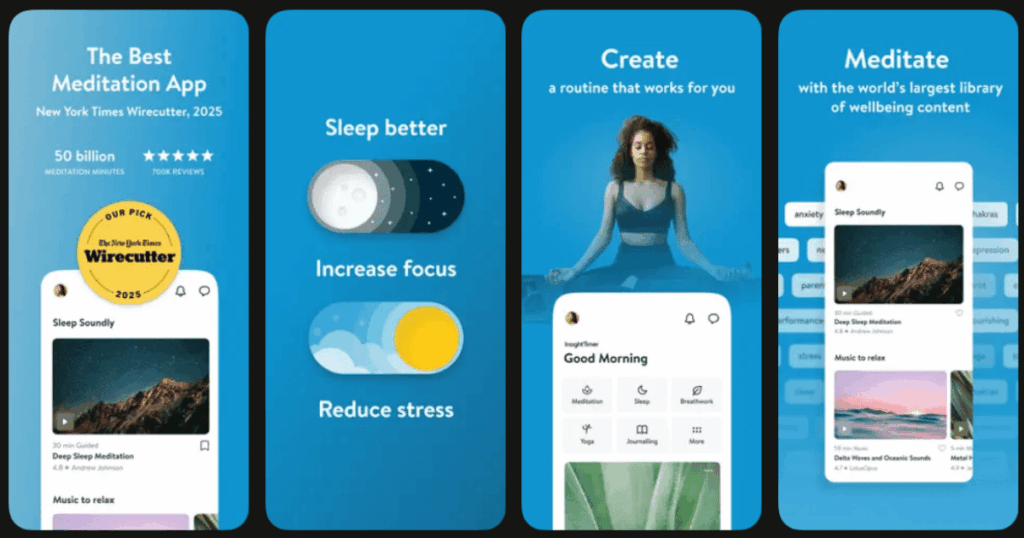
Insight Timer offers the largest free library of meditations. Over 100,000 guided meditations are available. This includes content from thousands of teachers worldwide.
For cancer patients on a budget, this is wonderful. You get quality content without paying anything. The community features let you connect with other meditators.
Live events happen daily. You can join group meditations in real time.
Key Features:
- Massive library of free guided meditations
- Live meditation events with teachers from around the world
- Community groups for support and connection
What I like: The sheer amount of free content amazes me. You could meditate for years and never run out of options. I appreciate the variety of teachers and styles. You can find meditations specifically for healing and health challenges. The timer feature with ambient sounds is perfect for silent meditation. The community aspect helps you feel less alone on your journey.
What I don’t like: So much content can feel overwhelming. Quality varies since anyone can upload content. Finding the gems takes some digging through less helpful meditations.
Pricing: Most content is completely free. Optional premium membership available.
Platforms: iOS and Android
#5. Ten Percent Happier – Best for Skeptics New to Meditation
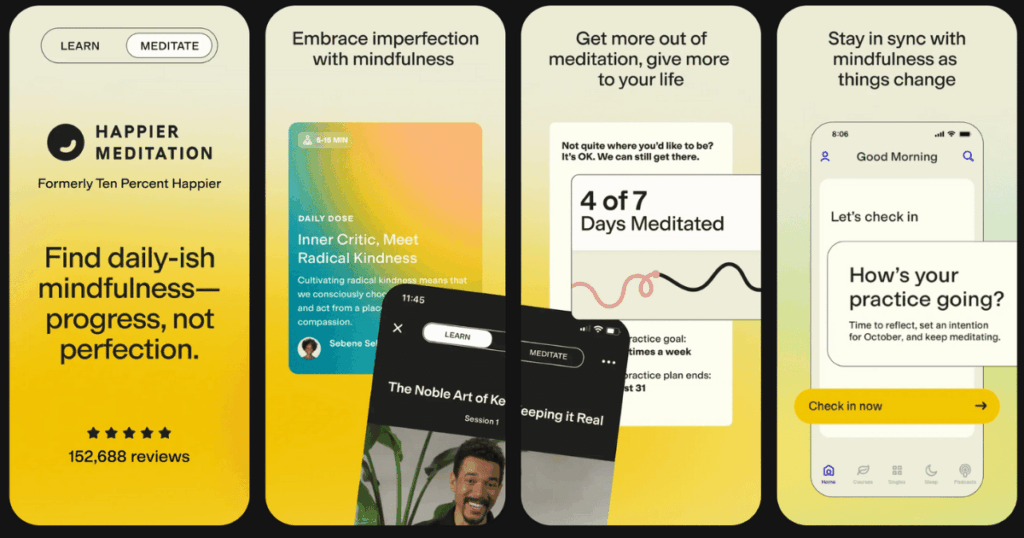
Ten Percent Happier was created by a news anchor who had a panic attack on live TV. He approached meditation as a skeptic. This app speaks to people who think meditation is weird or woo-woo.
The teaching style is practical and down-to-earth. No incense or crystals required. Just real techniques that work.
For cancer patients who doubt meditation can help, this is a great starting point.
Key Features:
- Courses taught by world-renowned meditation teachers
- Practical, no-nonsense approach to mindfulness
- Coaching feature to get personalized guidance
What I like: I appreciate the honest, sometimes funny approach. The teachers explain things without any mystical language. Dan Harris, the founder, asks the questions skeptics have. The content addresses real-life challenges directly. The app feels like talking to a smart friend who happens to know a lot about meditation. The coaching feature adds personal support.
What I don’t like: Less content overall compared to bigger apps. The style might feel too casual for those who want a more spiritual experience. Also pricier than some alternatives.
Pricing: Free trial available. Premium subscription for full access.
Platforms: iOS and Android
#6. Breethe – Best for Stress and Anxiety Relief
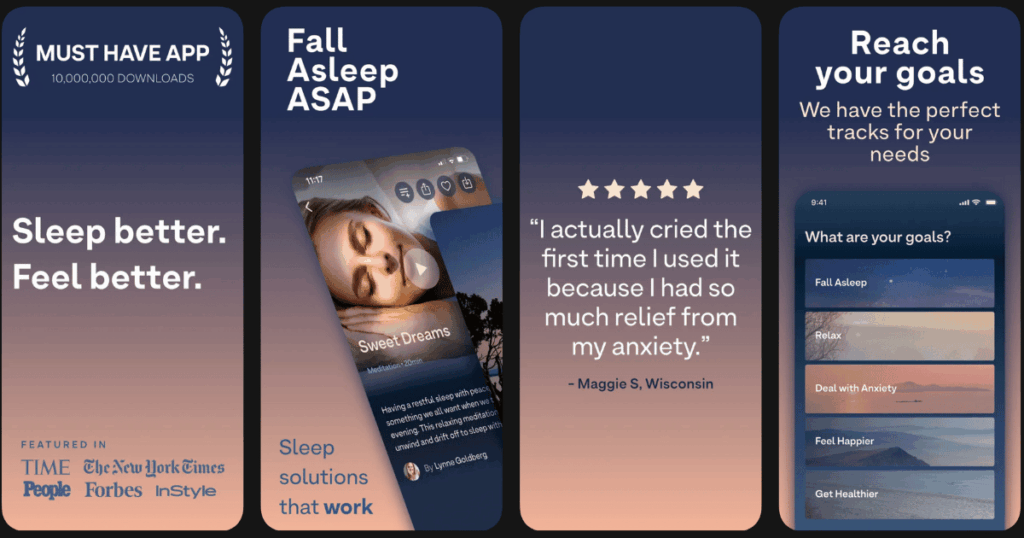
Breethe combines meditation with hypnotherapy and life coaching. This mix offers different ways to find calm. The app focuses on practical stress relief.
For cancer patients dealing with anxiety, the variety helps. Sometimes meditation works. Sometimes you need hypnosis or guided visualization instead.
The bedtime section includes stories and sounds for better sleep.
Key Features:
- Hypnotherapy sessions for deep relaxation
- Life coaching audio for motivation and guidance
- Extensive bedtime content for quality sleep
What I like: I enjoy having multiple approaches in one app. The hypnotherapy sessions feel different from regular meditation. They reach a deeper level of relaxation. The life coaching content provides motivation during tough times. The bedtime section rivals dedicated sleep apps. Everything is organized clearly and easy to find.
What I don’t like: The celebrity partnerships might not appeal to everyone. Some content feels more surface-level than other apps. The free version is quite limited.
Pricing: Basic content free. Premium subscription for full library.
Platforms: iOS and Android
#7. Simple Habit – Best for Busy Schedules

Simple Habit specializes in 5-minute meditations. These short sessions fit into the busiest days. The app organizes content by life situation.
For cancer patients with many appointments and treatments, time is precious. Simple Habit respects that. Quick meditations still make a difference.
Sessions target specific moments like commuting or taking a break.
Key Features:
- Meditations as short as 5 minutes
- Content organized by situation like work stress or sleep
- On-the-go sessions designed for busy moments
What I like: I love how realistic this app is about time. Not everyone has 20 minutes to meditate. Five minutes is better than nothing. The situation-based organization makes sense. You can find exactly what you need quickly. The variety of teachers keeps things fresh. Short sessions feel less intimidating for beginners.
What I don’t like: If you want longer, deeper sessions, options are limited. The app feels less comprehensive than competitors. Some users might outgrow it quickly.
Pricing: Some free content available. Premium subscription for full access.
Platforms: iOS and Android
#8. Smiling Mind – Best for Mindfulness Education
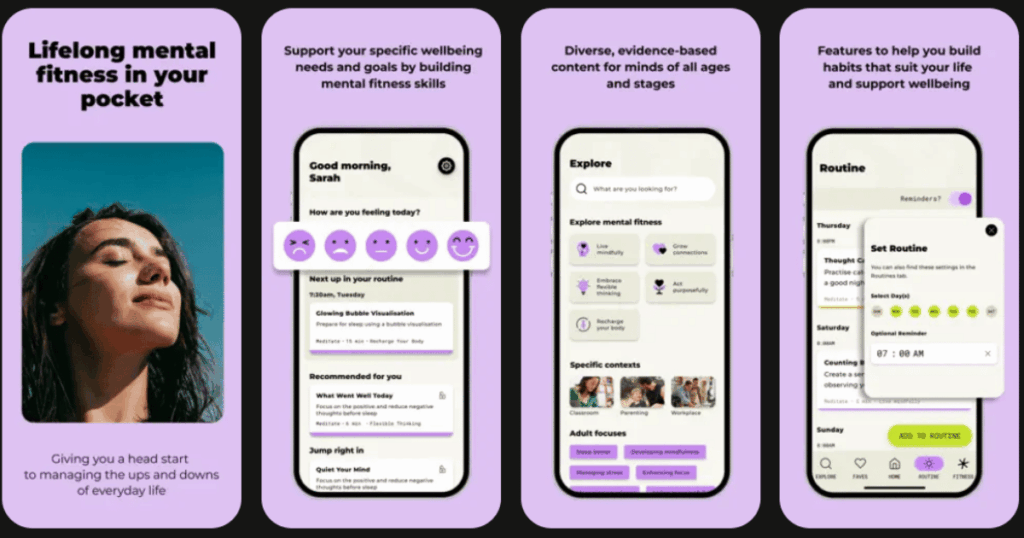
Smiling Mind is a nonprofit meditation app from Australia. It’s completely free. The app uses program-based learning to build mindfulness skills.
For cancer patients who want structure without cost, this is perfect. Programs target different ages and needs. The educational approach teaches you why mindfulness works.
The app was developed with psychologists and educators.
Key Features:
- Completely free with no premium tier
- Structured programs that build skills progressively
- Content developed with mental health professionals
What I like: I appreciate that everything is truly free. No paywalls or limited trials. The programs feel professionally designed. You learn mindfulness as a real skill, not just a quick fix. The nonprofit mission means the focus is on helping people. Content is evidence-based and thoughtfully created. Great for families since programs exist for all ages.
What I don’t like: Less content variety than paid apps. The design feels a bit dated. No celebrity voices or fancy production. Fewer options for sleep-specific content.
Pricing: Completely free.
Platforms: iOS and Android
#9. The Mindfulness App – Best for Personalized Meditation Practice

The Mindfulness App gives you flexibility in how you practice. You can choose guided meditations or use a simple timer for silent practice. The app lets you customize everything to match your needs.
For cancer patients who want control over their meditation experience, this works well. Some days you might want guidance. Other days you prefer silence. The app adapts to both.
You can set reminders throughout the day to pause and breathe. These gentle nudges help build a consistent practice.
Key Features:
- Customizable meditation timers with various bell sounds
- Both guided meditations and silent meditation options
- Personalized reminders to practice throughout the day
What I like: I appreciate the flexibility this app offers. You’re not locked into one style of meditation. The interface is clean and simple. Nothing feels cluttered or confusing. The timed meditations work great once you know the basics. The introduction course teaches beginners the fundamentals well. The statistics tracking shows your progress over time, which feels motivating without being pushy.
What I don’t like: The free version is quite basic compared to competitors. The guided meditation library is smaller than apps like Insight Timer. Some features feel a bit outdated compared to newer apps.
Pricing: Free version with basic features. Premium subscription for full access.
Platforms: iOS and Android
Do Meditation Apps Really Help Cancer Patients?
Yes, research shows meditation can help cancer patients in real ways. Studies find that mindfulness reduces anxiety and depression. It can also help with pain management and sleep problems. Many cancer centers now recommend meditation as part of treatment.
Apps make meditation accessible during treatment. You can practice in waiting rooms or at home. Short sessions work when energy is low. The guided format helps when focus is hard.
However, apps work best alongside professional support. They complement therapy and medical care. They don’t replace them. Starting with gentle, beginner-friendly content is smart. Build up slowly based on how you feel.
Which Type of Meditation Is Best for Cancer Patients?
There’s no single best type. Different approaches help different people. Body scan meditations help you connect with physical sensations. This can be grounding during treatment. Loving-kindness meditation builds self-compassion. This matters when you’re hard on yourself.
Breathing exercises calm the nervous system quickly. They’re great before scary appointments. Sleep meditations address the insomnia many patients face. Guided visualizations can feel healing and hopeful.
I recommend trying several types. Notice what feels helpful for you. Your needs might change during different treatment phases. An app with variety gives you options for every moment.
How Often Should Cancer Patients Meditate?
Start small and be gentle with yourself. Even 5 minutes daily makes a difference. Consistency matters more than length. Short daily practice beats long occasional sessions.
Listen to your body. Some days you might manage 20 minutes. Other days, 3 minutes is all you have. Both are fine. There’s no wrong way to do this.
Many apps track your progress. This can motivate you without pressure. Building a small routine creates a sense of control. During cancer treatment, that feeling of control is precious. Don’t force anything. Let meditation be a comfort, not another task on your list.