9 Best Meditation Apps Like Balance
| App Name | Best For | Key Features | AC Rating | Pricing |
|---|---|---|---|---|
| Life7 | All-in-one mental wellness | Binaural beats, guided meditations, sleep stories, CBT tools | 4.7/5 | Free trial, then subscription |
| Insight Timer | Free meditation content | 200,000+ free meditations, community features, live events | 4.6/5 | Free, premium optional |
| Calm | Sleep improvement | Sleep stories, nature sounds, celebrity narrations | 4.5/5 | Monthly or annual subscription |
| Headspace | Structured meditation courses | Beginner programs, focus tools, stress management | 4.5/5 | Monthly or annual subscription |
| Happier (Ten Percent Happier) | Meditation skeptics | Expert teachers, video lessons, science-based approach | 4.3/5 | Annual subscription |
| Waking Up | Deep mindfulness practice | Sam Harris guides, philosophy content, theory lessons | 4.4/5 | Annual subscription |
| Smiling Mind | Kids and families | Age-specific programs, school resources, mental fitness | 4.4/5 | Completely free |
| Aura | AI personalization | Mood tracking, short sessions, CBT therapy tools | 4.3/5 | Annual subscription |
| Healthy Minds Program | Budget-conscious users | Research-backed, structured pillars, learning modules | 4.2/5 | Completely free |
#1. Life7 – Best for All-in-One Mental Wellness
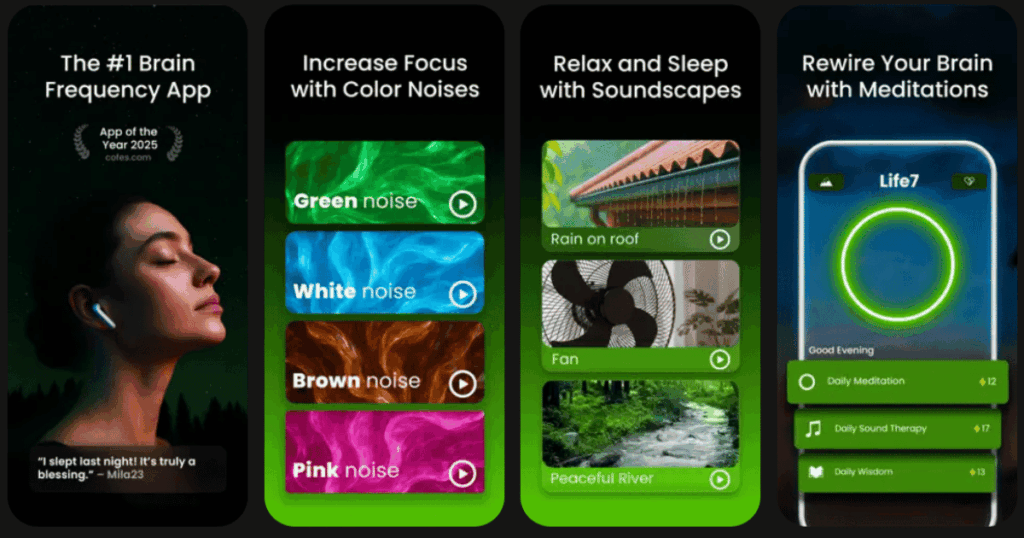
Life7 is a powerhouse meditation app that covers everything you need for better mental health. It combines guided meditations with sound therapy, sleep tools, and proven techniques like CBT and hypnotherapy.
What makes Life7 stand out is its variety. You get access to binaural beats, brainwave frequencies, and solfeggio sounds. There are also breathing exercises for panic attacks, daily check-ins, and mood tracking.
The app works for beginners and advanced users alike. Plus, it gamifies your journey with XP points and streaks to keep you motivated.
Key Features:
- Over 312 million meditation minutes logged by users worldwide
- Binaural beats, delta waves, alpha waves, and 432 Hz frequencies for deep relaxation
- SOS sessions for anxiety, panic attacks, and stress emergencies
What I like: I love how Life7 brings together so many wellness tools in one place. The backdrop mode lets you mix soundscapes with sleep stories or meditations. This creates a truly custom experience. The daily sessions keep things fresh, and the gamified approach makes building a habit feel rewarding rather than like a chore.
What I don’t like: The free content is somewhat limited. You will need to subscribe to unlock the full library of premium features and soundscapes.
Pricing: 7-day free trial available. Weekly, monthly, and yearly subscription plans offered with frequent special discounts.
Platforms: iOS and Android
#2. Insight Timer – Best for Free Meditation Content
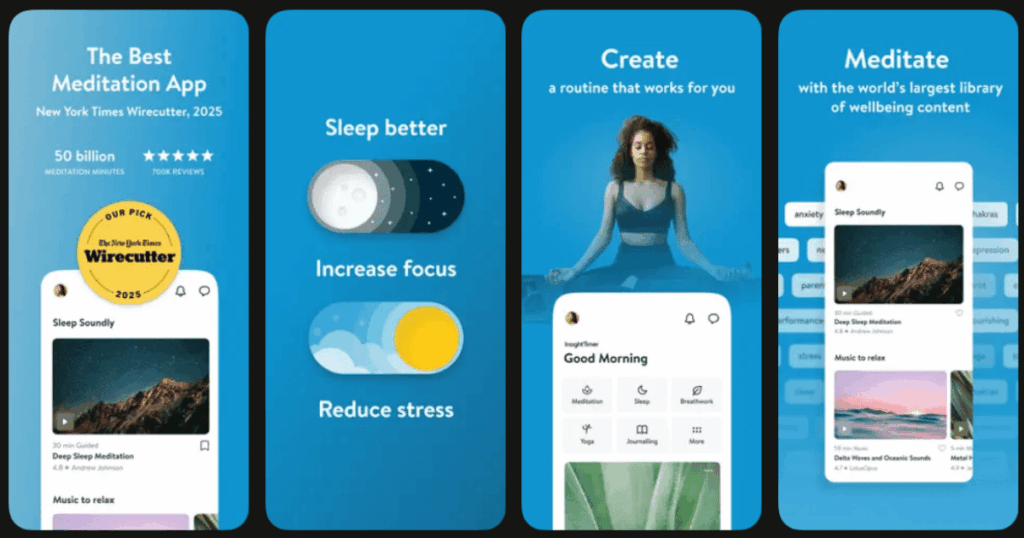
Insight Timer offers the largest free meditation library on the market. With over 200,000 guided meditations, you can explore for months without paying a dime.
The app features content from 18,000+ teachers around the world. You will find everything from quick 5-minute sessions to hour-long deep practices.
Community is a big part of Insight Timer too. Join groups, attend live events, and connect with fellow meditators globally.
Key Features:
- Massive library of free guided meditations, music, and talks
- Customizable meditation timer with ambient sounds and bells
- Live events and yoga classes happening every hour
What I like: The sheer amount of free content is incredible. I appreciate being able to explore different teachers and styles without any pressure to pay. The community aspect adds accountability, and live events make meditation feel less lonely.
What I don’t like: With so much content, it can feel overwhelming at first. The interface takes some getting used to, and finding specific meditations sometimes requires patience.
Pricing: Free with optional premium subscription for about $60 per year.
Platforms: iOS and Android
#3. Calm – Best for Sleep Improvement
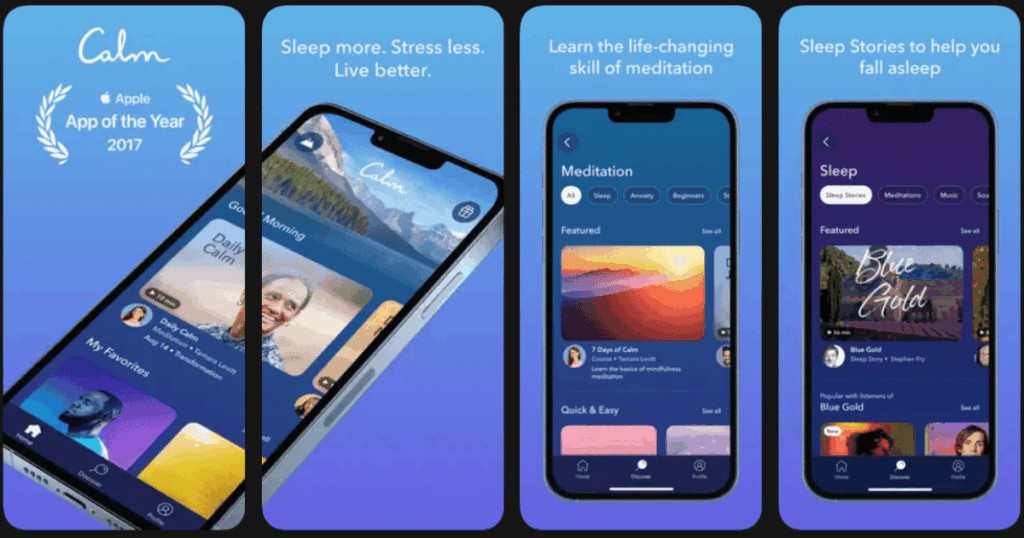
Calm has become famous for its Sleep Stories. These are bedtime tales narrated by celebrities like Matthew McConaughey and LeBron James.
The app also offers guided meditations, breathing exercises, and relaxing music. Nature scenes and soundscapes create a peaceful atmosphere.
About half of Calm users primarily use it for sleep help. If nighttime relaxation is your goal, this app delivers.
Key Features:
- Sleep Stories narrated by celebrities and professional voices
- Daily Calm meditation updated every day
- Extensive library of nature sounds and calming music
What I like: The production quality is top-notch. Sleep Stories are genuinely relaxing, and the celebrity narrations add a fun element. The nature scenes that play while you browse create an immediately calming experience.
What I don’t like: Most content requires a premium subscription. The free version is quite limited compared to some competitors. The price point is also on the higher side.
Pricing: 7-day free trial. Monthly subscription around $15, annual around $70. Lifetime option available.
Platforms: iOS and Android
#4. Headspace – Best for Structured Meditation Courses
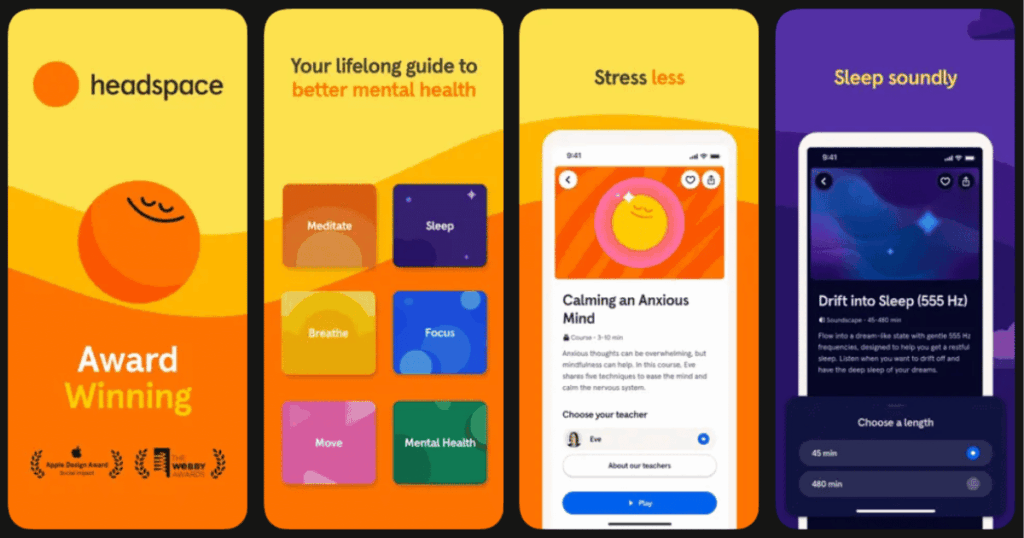
Headspace takes a course-based approach to meditation. It is perfect for beginners who want clear guidance on building a practice.
Co-founder Andy Puddicombe, a former Buddhist monk, leads most sessions. His friendly teaching style makes meditation feel approachable.
The app organizes content into morning, afternoon, and evening sessions. This structure helps you integrate mindfulness throughout your day.
Key Features:
- Beginner-friendly courses that gradually build your skills
- Focus music and exercises for productivity
- SOS sessions for moments of acute stress
What I like: The structured courses gave me a clear path when I first started meditating. The animations explaining mindfulness concepts are genuinely helpful. I also appreciate the consistency of having one main teacher throughout.
What I don’t like: Having primarily one teacher can feel monotonous over time. The meditation library is smaller than some competitors, and sessions are capped at 30 minutes.
Pricing: 7-14 day free trial. Monthly subscription around $13, annual around $70.
Platforms: iOS and Android
#5. Happier (Ten Percent Happier) – Best for Meditation Skeptics

Happier, formerly known as Ten Percent Happier, was created for people who doubt meditation works. News anchor Dan Harris built it after experiencing a panic attack on live television.
The app takes a no-nonsense approach. Teachers explain the why behind meditation, not just the how.
Video introductions before each course help you understand concepts before practicing them.
Key Features:
- Expert teachers including Joseph Goldstein and Sharon Salzberg
- Video lessons explaining meditation theory and benefits
- Fully secular approach without spiritual language
What I like: The practical, skeptic-friendly approach really resonated with me. Having teachers explain why techniques work helps me stay committed. The quality of instruction from world-class teachers is exceptional.
What I don’t like: There are no soundscapes or ambient music options. The content library is smaller than other apps. No content specifically designed for children.
Pricing: 7-day free trial. Annual subscription around $100.
Platforms: iOS and Android
#6. Waking Up – Best for Deep Mindfulness Practice

Waking Up goes deeper than typical meditation apps. Created by neuroscientist Sam Harris, it explores consciousness and the nature of mind.
The app combines meditation practice with philosophical theory. You will learn about different traditions including Vipassana, Dzogchen, and Zen.
This is not about stress relief alone. It is about fundamentally understanding how your mind works.
Key Features:
- 28-day introductory course covering advanced concepts
- Theory lessons on consciousness, philosophy, and well-being
- Conversations with experts like Joseph Goldstein and Yuval Noah Harari
What I like: Waking Up transformed my understanding of meditation. The combination of practice and theory makes sessions feel meaningful. Sam Harris presents complex ideas in accessible ways, and the guest teachers add valuable perspectives.
What I don’t like: The pace can be fast for complete beginners. Some concepts may feel too abstract initially. The price is higher than most competitors.
Pricing: 30-day free trial. Annual subscription around $130. Free scholarships available for those who cannot afford it.
Platforms: iOS and Android
#7. Smiling Mind – Best for Kids and Families
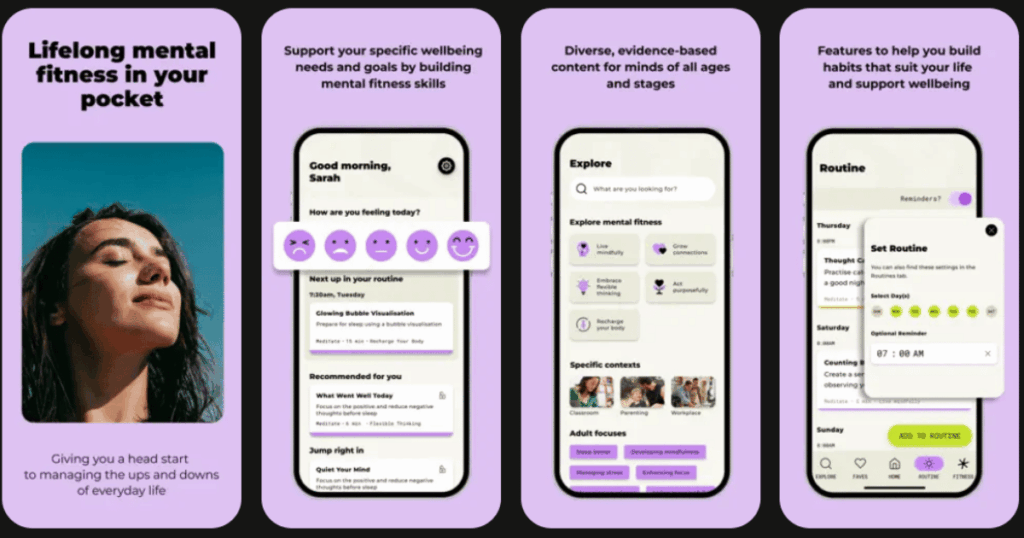
Smiling Mind is a free app from an Australian nonprofit. It focuses on building mental fitness for all ages, starting from childhood.
The app includes age-specific programs for children from 5 years old through adults. Educator resources make it perfect for schools.
Being 100% free makes mindfulness accessible to everyone, regardless of budget.
Key Features:
- Age-appropriate programs for kids, teens, and adults
- Over 700 sessions including meditations and learning modules
- School programs with curriculum-aligned resources
What I like: I love that a high-quality meditation app exists completely free. The age-specific content means my whole family can use it together. The mental fitness model provides structure beyond just meditation.
What I don’t like: The narration can sometimes sound technical. Background music options are somewhat limited. Some meditations end abruptly.
Pricing: Completely free, supported by donations.
Platforms: iOS and Android
#8. Aura – Best for AI Personalization
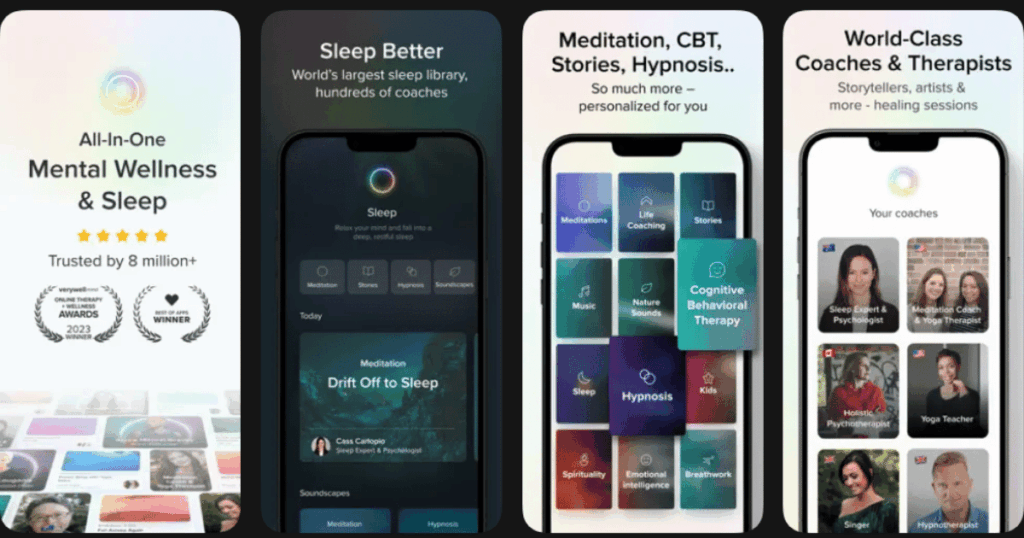
Aura uses artificial intelligence to match you with meditations based on your mood and goals. Every day feels custom-tailored to your needs.
The app features content from hundreds of coaches, therapists, and storytellers. Sessions are often just 3 minutes long, making them easy to fit into busy days.
Beyond meditation, Aura includes CBT tools, life coaching, and hypnosis sessions.
Key Features:
- AI-driven personalization based on your mood and preferences
- Short 3-7 minute sessions for busy schedules
- Content from hundreds of different coaches and therapists
What I like: The personalization engine genuinely learns my preferences over time. Short sessions make daily practice easy to maintain. The variety of coaches means I always find someone whose voice resonates with me.
What I don’t like: With so many coaches, quality can be inconsistent. Navigation through the vast library can feel cluttered. The AI recommendations are not always perfect.
Pricing: Free limited access. Annual subscription around $60.
Platforms: iOS and Android
#9. Healthy Minds Program – Best for Budget-Conscious Users
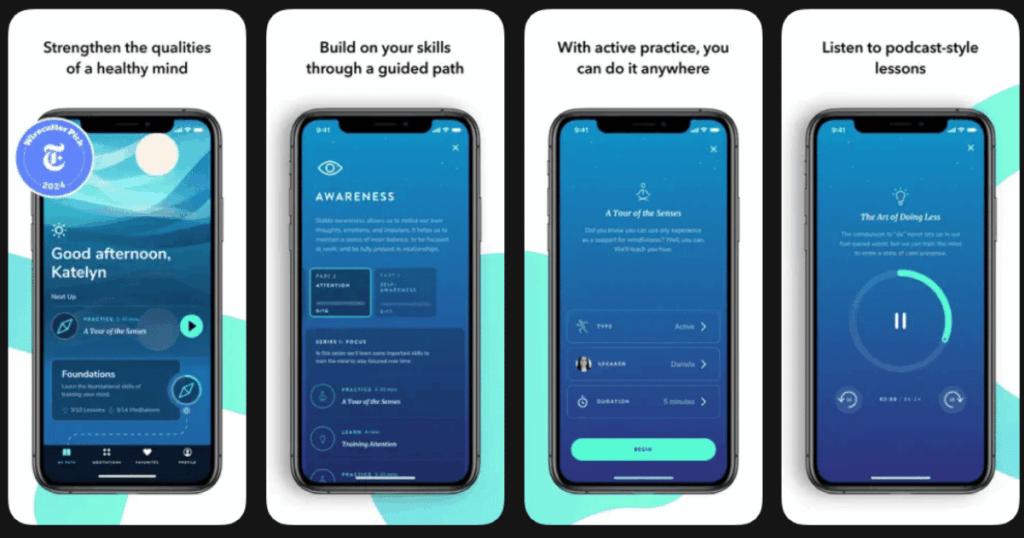
Healthy Minds Program is completely free and backed by serious research. It was developed by the Center for Healthy Minds at the University of Wisconsin.
The app uses a four-pillar model: Awareness, Connection, Insight, and Purpose. Each pillar builds different mental skills.
Sessions alternate between practice and learning, teaching you why meditation works.
Key Features:
- Research-backed mental fitness model with four pillars
- Micro-meditations as short as 1-2 minutes
- Active meditation option for movement during practice
What I like: The combination of completely free and evidence-based is rare. I appreciate the structured approach through the four pillars. Active meditations let me practice while doing chores, which fits my lifestyle perfectly.
What I don’t like: The content library is smaller than premium apps. The interface is more basic. Some users may eventually need more variety.
Pricing: Completely free. Donations accepted but not required.
Platforms: iOS and Android
Are Free Meditation Apps as Good as Paid Ones?
Free meditation apps can absolutely help you build a consistent practice. Apps like Insight Timer, Smiling Mind, and Healthy Minds Program offer excellent content without charging anything.
However, paid apps often provide more polished experiences. They typically have larger libraries, better production quality, and more features.
The best app is the one you will actually use. Start with free options to explore what works for you. Upgrade to paid apps if you want more depth or specific features.
How Long Should I Meditate Each Day?
Research shows benefits from as little as 5-10 minutes of daily meditation. You do not need hour-long sessions to see results.
Consistency matters more than duration. A daily 10-minute practice beats occasional 30-minute sessions.
Many apps like Aura specialize in short sessions. Start small and gradually increase as meditation becomes a habit.
Can Meditation Apps Replace Therapy?
Meditation apps are helpful tools for managing stress and improving well-being. But they should not replace professional mental health treatment.
Apps work well as complements to therapy. Many therapists actually recommend meditation apps to their clients between sessions.
If you are struggling with serious mental health issues, please seek help from a qualified professional. Apps can support your journey but are not substitutes for proper care.