9 Best Sleep Debt Apps For Your Phone
| App Name | Best For | Key Features | AC Rating | Pricing |
|---|---|---|---|---|
| Life7 | All-in-one sleep and mental wellness | Binaural beats, sleep stories, breathing exercises | 4.9/5 | Free trial, then subscription |
| Rise Science | Tracking and paying back sleep debt | Sleep debt calculator, energy predictions, smart alarm | 4.7/5 | Free version, premium subscription |
| SleepScore | Detailed sleep analysis | Non-contact sleep tracking, smart alarm, sleep reports | 4.5/5 | Free version, premium subscription |
| Sleep Cycle | Waking up refreshed | Smart alarm clock, sleep tracking, snore detection | 4.6/5 | Free version, premium subscription |
| Pillow | Apple users tracking sleep | Automatic sleep tracking, heart rate analysis, audio recordings | 4.4/5 | Free version, one-time purchase or subscription |
| AutoSleep | Apple Watch sleep tracking | Automatic tracking, sleep rings, heart rate monitoring | 4.5/5 | One-time purchase |
| Sleep Reset | Personalized sleep coaching | Sleep coach, custom sleep program, daily check-ins | 4.3/5 | Subscription based |
| Oura | Wearable-based sleep insights | Ring-based tracking, readiness score, sleep stages | 4.6/5 | Ring purchase plus subscription |
| SleepWatch | Passive sleep monitoring | AI sleep analysis, heart rate tracking, trends | 4.2/5 | Free version, premium subscription |
#1. Life7 – Best for All-in-One Sleep and Mental Wellness
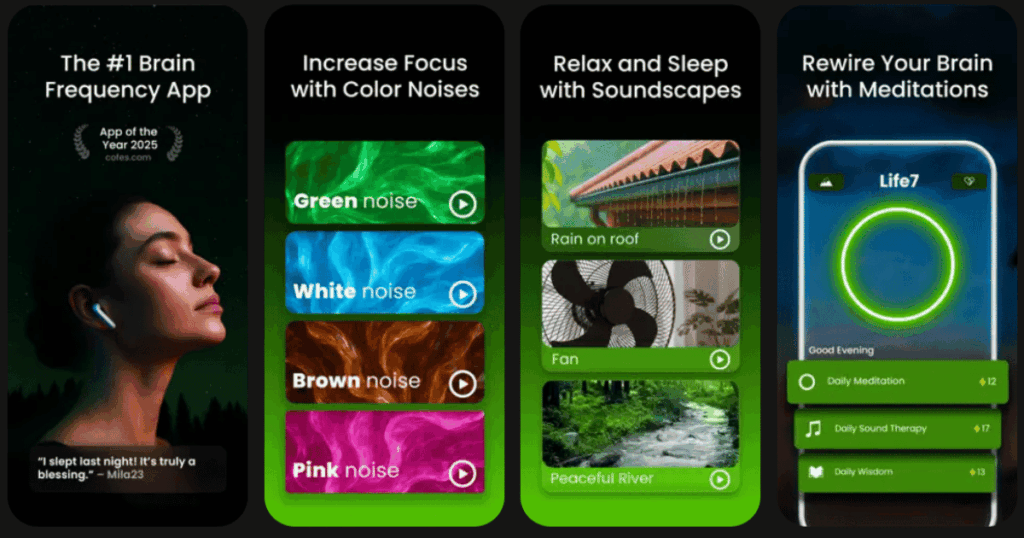
Life7 is my top pick for tackling sleep debt. This app does so much more than just track your sleep. It helps you actually sleep better!
With over 312 million meditation minutes logged by users, Life7 has proven itself as a powerful wellness tool. The app combines sleep sounds, guided meditations, and breathing exercises all in one place.
What sets Life7 apart is its variety. You get binaural beats, white noise, brown noise, and even 8D sleep audio. There are bedtime stories for adults and kids too. Plus, the app offers CBT and hypnotherapy sessions for deeper healing.
Key Features:
- Multiple sound options including delta waves, solfeggio frequencies, and nature sounds
- Sleep stories, guided meditations, and breathing exercises for better rest
- Daily check-ins with mood tracking and progress dashboard
What I like: I love how Life7 tackles sleep from every angle. The backdrop mode is genius. You can mix soundscapes with sleep stories or meditations. The SOS sessions for anxiety are super helpful when my mind won’t shut off. The gamified approach keeps me coming back. Earning XP and unlocking new content makes building a sleep routine actually fun. The vagus nerve stimulation and nervous system reset features are things I haven’t found in other apps.
What I don’t like: The free version is pretty limited. You’ll want to upgrade to get the full experience. Some users might feel overwhelmed by all the options at first.
Pricing: 7-day free trial available. Offers weekly, monthly, and yearly subscription plans with frequent special offers.
Platforms: iOS and Android
#2. Rise Science – Best for Tracking and Paying Back Sleep Debt
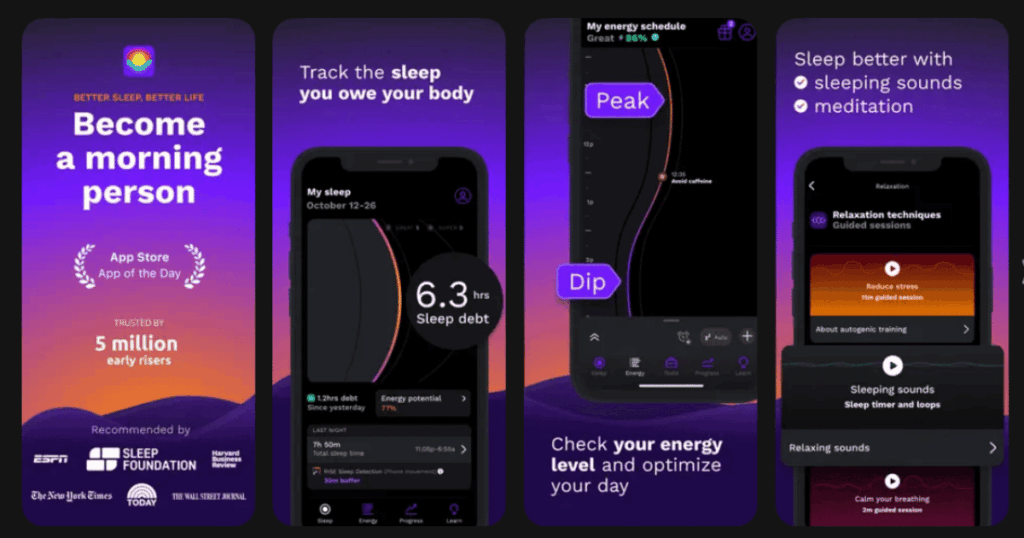
Rise Science takes a scientific approach to sleep debt. The app calculates exactly how much sleep you owe your body. Then it helps you pay it back.
This app is based on sleep science research. It shows you how sleep debt affects your daily energy levels. You can see predictions for when you’ll feel tired or alert throughout the day.
The sleep debt meter updates in real time. This helps you understand why you feel groggy some days. Rise makes the invisible problem of sleep debt visible and trackable.
Key Features:
- Sleep debt calculator that tracks how much rest you owe your body
- Energy level predictions throughout your day
- Smart alarm that wakes you during light sleep phases
What I like: I appreciate how Rise connects poor sleep to my daily energy. Seeing my sleep debt number motivates me to get to bed earlier. The melatonin timing feature tells me exactly when my body is ready for sleep. The energy schedule helps me plan important tasks when I’ll be most alert.
What I don’t like: The app focuses mainly on tracking rather than helping you fall asleep. You might need another app for actual sleep sounds or meditations.
Pricing: Limited free features. Premium subscription required for full sleep debt tracking.
Platforms: iOS and Android
#3. SleepScore – Best for Detailed Sleep Analysis
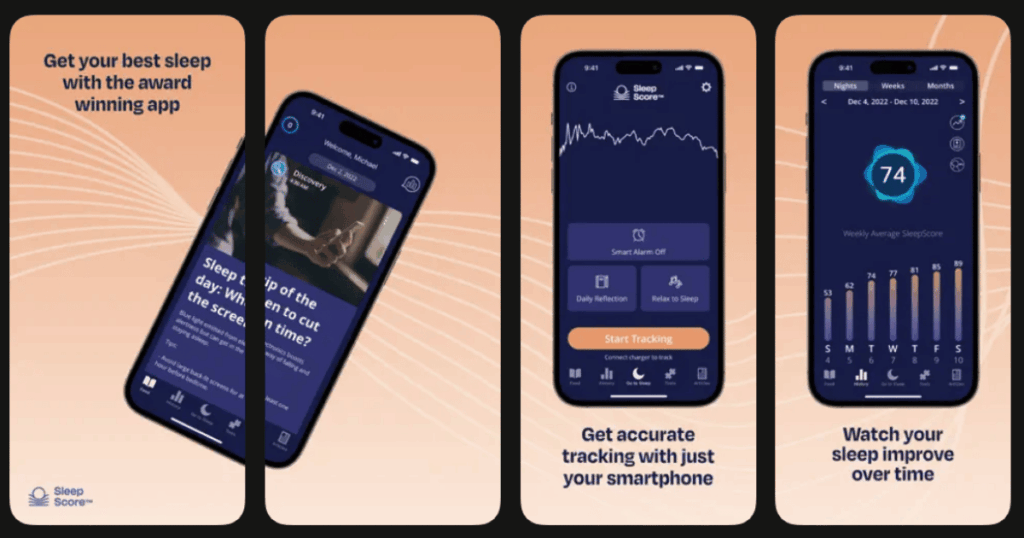
SleepScore uses your phone’s sensors to track your sleep without wearing anything. The app measures your breathing and movement to figure out your sleep stages.
Each morning, you get a sleep score. This number tells you how well you slept. The app breaks down your light sleep, deep sleep, and REM sleep.
SleepScore also gives you personalized tips. These suggestions are based on your actual sleep patterns. Over time, you can see if your changes are working.
Key Features:
- Contact-free sleep tracking using phone sensors
- Detailed breakdown of sleep stages and quality
- Personalized sleep improvement recommendations
What I like: I find the non-contact tracking super convenient. No watch or ring needed. Just place your phone on the nightstand. The sleep reports are really detailed and easy to understand. I can see exactly where my sleep needs improvement.
What I don’t like: The accuracy can vary depending on your phone and sleeping position. Sometimes it misses when I get up briefly at night.
Pricing: Basic features free. Premium subscription unlocks advanced analysis and history.
Platforms: iOS and Android
#4. Sleep Cycle – Best for Waking Up Refreshed
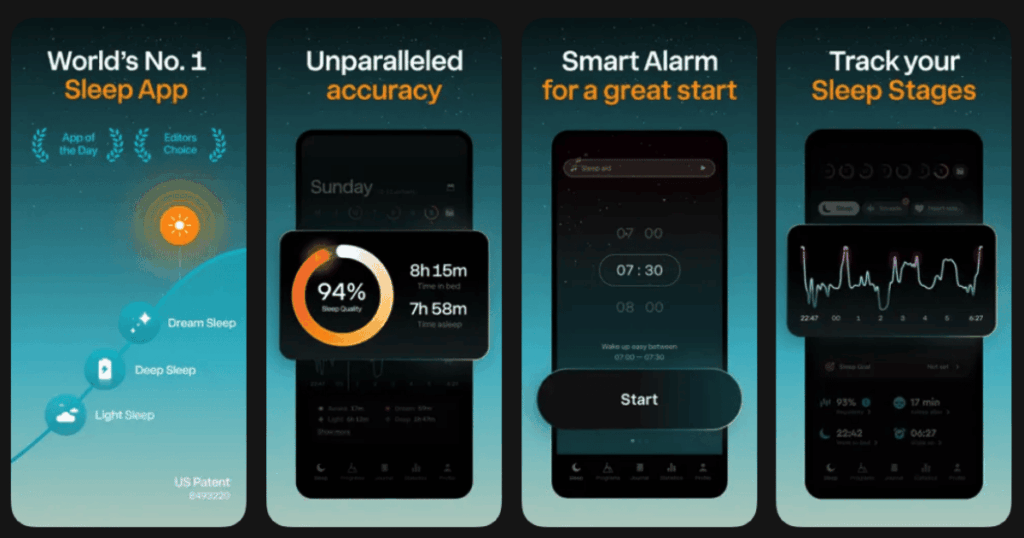
Sleep Cycle has been around for years. It’s famous for its smart alarm clock feature. The app wakes you during your lightest sleep phase.
This means no more jarring alarm sounds during deep sleep. You wake up feeling more refreshed and less groggy. The app tracks your sleep through sound and movement.
Sleep Cycle also shows trends over time. You can see how things like coffee, exercise, or stress affect your rest. The snore detection feature is a nice bonus too.
Key Features:
- Smart alarm that wakes you during light sleep
- Sleep tracking with detailed statistics and trends
- Snore detection and recording
What I like: The smart alarm actually works. I wake up feeling way better than with a regular alarm. The sleep notes feature helps me connect habits to sleep quality. I can see that eating late really does mess up my rest.
What I don’t like: The free version feels limited now. Some features that used to be free are now premium only. The subscription adds up over time.
Pricing: Free basic version. Premium subscription for full features.
Platforms: iOS and Android
#5. Pillow – Best for Apple Users Tracking Sleep
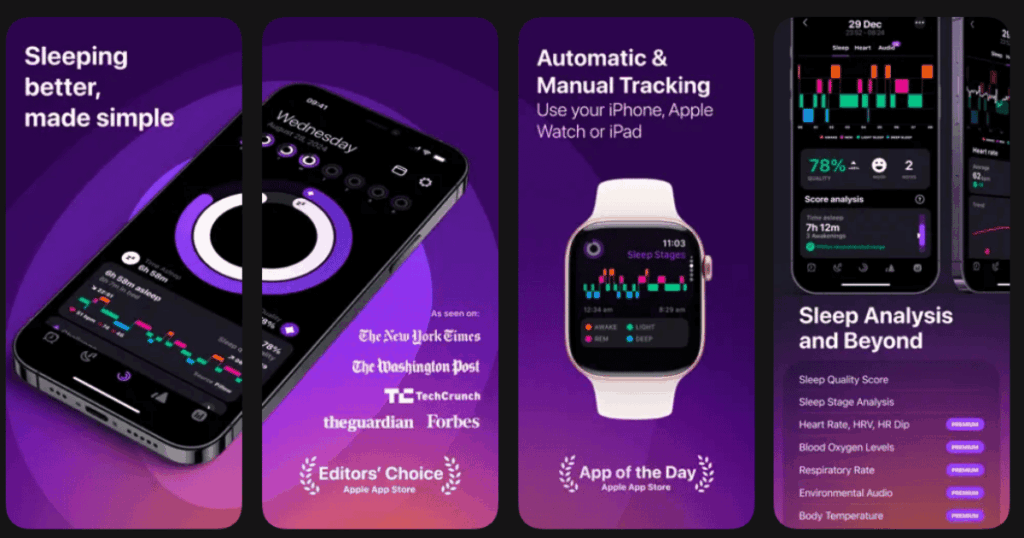
Pillow works great with Apple devices. It syncs with Apple Watch and Apple Health seamlessly. The app offers automatic sleep tracking without any setup.
The interface is clean and easy to use. You can see your sleep stages, heart rate, and audio recordings. Pillow even detects snoring and sleep talking.
For iPhone and Apple Watch users, this is a solid choice. The integration is smooth. Your data flows between devices without any hassle.
Key Features:
- Automatic sleep detection with Apple Watch
- Heart rate monitoring and sleep stage analysis
- Audio recording for snoring and sleep talking
What I like: As an Apple user, I love how Pillow just works. No manual tracking needed. The sleep stage breakdown is colorful and clear. The audio recordings caught me talking in my sleep, which was funny to share.
What I don’t like: Android users are out of luck. This app is Apple only. Some advanced features require the premium version.
Pricing: Free version available. Premium through one-time purchase or subscription.
Platforms: iOS only
#6. AutoSleep – Best for Apple Watch Sleep Tracking

AutoSleep is designed specifically for Apple Watch users. You don’t need to tell it when you go to bed. The app figures it out automatically.
The sleep ring system shows your goals at a glance. Green means you hit your target. The app tracks sleep quality, heart rate, and time asleep.
AutoSleep gives you a “readiness” score each morning. This tells you if you’re well-rested or need to take it easy.
Key Features:
- Fully automatic sleep tracking with Apple Watch
- Sleep rings showing goals and progress
- Readiness score and heart rate dip tracking
What I like: The “set and forget” approach is perfect for me. I don’t have to remember to start tracking. The sleep rings are motivating, like closing your activity rings. The one-time purchase price is refreshing.
What I don’t like: You absolutely need an Apple Watch. The app won’t work without one. The interface can feel cluttered with all the data points.
Pricing: One-time purchase with no subscription needed.
Platforms: iOS only (requires Apple Watch)
#7. Sleep Reset – Best for Personalized Sleep Coaching

Sleep Reset pairs you with a sleep coach. This isn’t just an app. It’s a program designed to fix your sleep habits.
You start with a sleep assessment. Then you get a custom plan based on your specific issues. Your coach checks in regularly to keep you on track.
The app uses proven methods from sleep science. It’s like having a sleep therapist in your pocket. Great for people who need accountability.
Key Features:
- Personal sleep coach for accountability and support
- Custom sleep program based on your assessment
- Daily check-ins and progress tracking
What I like: The human element makes a big difference. Having someone check on my progress keeps me accountable. The program addresses the root causes of poor sleep, not just the symptoms.
What I don’t like: This is one of the pricier options. The coaching model means higher costs. It might be overkill for people with minor sleep issues.
Pricing: Subscription based with personalized coaching included.
Platforms: iOS and Android
#8. Oura – Best for Wearable-Based Sleep Insights
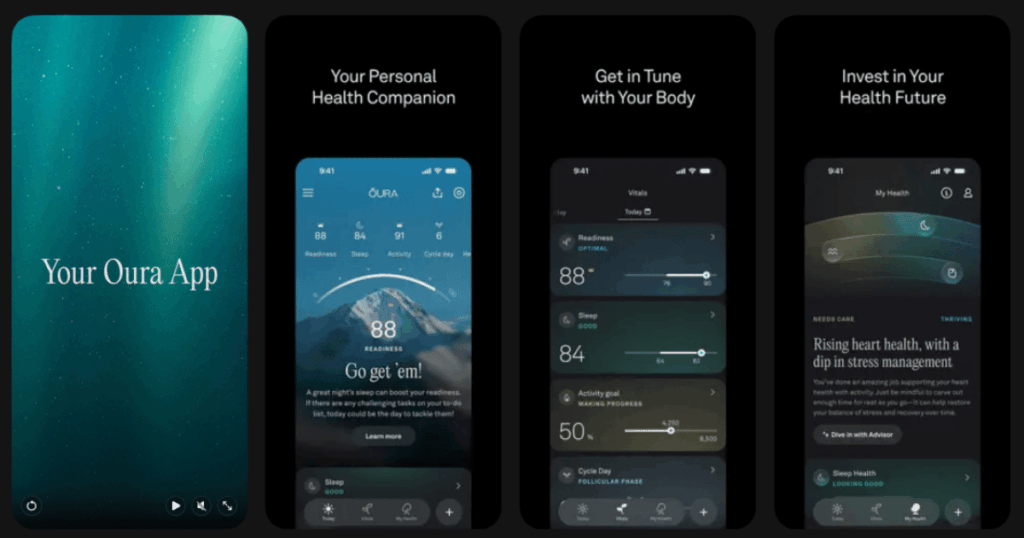
Oura uses a smart ring to track your sleep. The ring is comfortable to wear at night. It measures heart rate, body temperature, and movement.
The app shows detailed sleep stage information. You get a readiness score each day. This score combines your sleep, activity, and recovery.
Oura is popular with athletes and health enthusiasts. The data is comprehensive and accurate. The ring design is more comfortable than a watch for sleeping.
Key Features:
- Ring-based tracking for accurate sleep data
- Readiness score combining sleep, activity, and recovery
- Body temperature and heart rate variability monitoring
What I like: The ring is so comfy I forget I’m wearing it. The accuracy is impressive for such a small device. The readiness score helps me decide whether to push hard or rest.
What I don’t like: You need to buy the ring first, which is expensive. Then there’s a monthly subscription on top. That’s a big investment.
Pricing: Requires Oura ring purchase plus monthly subscription.
Platforms: iOS and Android
#9. SleepWatch – Best for Passive Sleep Monitoring
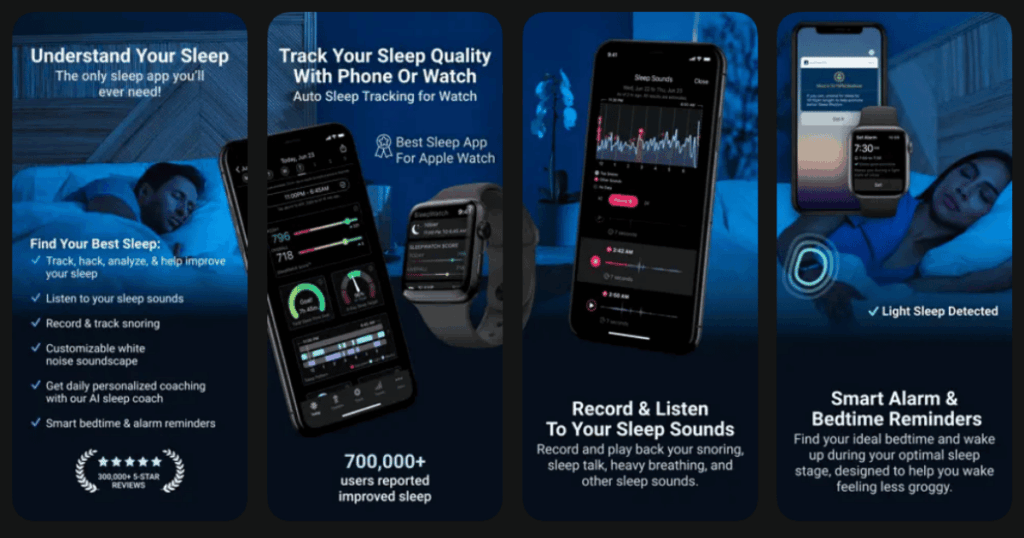
SleepWatch works with Apple Watch to track your sleep automatically. The app uses AI to analyze your sleep patterns over time.
You get insights about your heart rate during sleep. The app shows trends and flags unusual nights. It’s a passive approach to sleep tracking.
SleepWatch is good for people who want data without effort. Wear your watch to bed and let the app do the work.
Key Features:
- AI-powered sleep analysis and insights
- Heart rate tracking and abnormality detection
- Long-term sleep trend visualization
What I like: The automatic tracking is convenient. I don’t have to do anything. The AI insights sometimes catch patterns I missed. The heart rate alerts could be helpful for health monitoring.
What I don’t like: You need an Apple Watch, which limits who can use it. The free version shows limited data. The interface feels less polished than some competitors.
Pricing: Free version available. Premium subscription for full features.
Platforms: iOS only (requires Apple Watch)
What Is Sleep Debt and Why Does It Matter?
Sleep debt is the difference between the sleep you need and the sleep you actually get. If you need 8 hours but only sleep 6, you have 2 hours of sleep debt.
This debt adds up over time. A week of short sleep can leave you with 10 or more hours of debt. Your body keeps track even if you don’t.
Sleep debt affects your mood, focus, and health. It can make you feel foggy and irritable. Over time, it increases risks for serious health problems. Paying back sleep debt takes time. You can’t fully recover from a week of bad sleep with one long night. Apps help you track and gradually reduce your debt.
Can Apps Really Help You Sleep Better?
Yes, sleep apps can genuinely help. But they work best when you use them consistently. The tracking features show patterns you might miss on your own.
Apps like Life7 offer tools that directly improve sleep. Sounds, meditations, and breathing exercises calm your mind. Sleep stories give your brain something peaceful to focus on.
Tracking apps motivate you to prioritize rest. Seeing your sleep debt number can push you to make changes. The data helps you connect habits to sleep quality.
However, apps aren’t magic. They work alongside good sleep habits. A dark, cool room and consistent bedtime still matter. Think of apps as helpful tools, not complete solutions.
How Long Does It Take to Pay Off Sleep Debt?
Paying off sleep debt takes longer than most people think. You can’t erase a week of poor sleep with one long weekend nap.
Research suggests it takes about four days to recover from one hour of sleep debt. So if you’re 10 hours in debt, that’s over a month of catch-up.
The best approach is gradual. Add 15 to 30 minutes of extra sleep each night. Go to bed a bit earlier or wake up a bit later when possible.
Apps help by tracking your progress. You can see your debt decrease over time. This visual feedback keeps you motivated. Preventing new sleep debt is just as important as paying off old debt. Consistent sleep schedules protect the progress you make.