9 Best Sleep Apps For Tinnitus
| App Name | Best For | Key Features | AC Rating | Pricing |
|---|---|---|---|---|
| Life7 | Complete mental wellness and tinnitus relief | Multiple noise colors, binaural beats, sleep stories | 4.8/5 | Free trial, then subscription |
| Oto | CBT therapy for tinnitus | Clinically proven techniques, personalized plans, sleep tools | 4.6/5 | Subscription based |
| myNoise | Customizable sound masking | 300+ soundscapes, 10 adjustable sliders, offline listening | 4.5/5 | One time purchase |
| BetterSleep | Sound mixing for sleep | 300+ sounds, meditation, binaural beats | 4.4/5 | Freemium with subscription |
| ReSound Tinnitus Relief | Creating custom soundscapes | Sound mixing, guided meditation, breathing exercises | 4.3/5 | Free with optional premium |
| Beltone Tinnitus Calmer | Personalized tinnitus management | 7 coping skills, soundscape creation, usage tracking | 4.2/5 | Free |
| White Noise Lite | Simple sound masking | 50+ HD sounds, timer, background play | 4.1/5 | Free with upgrade option |
| Sound Oasis Tinnitus Therapy | Doctor developed sound therapy | 15 tunable therapy sounds, equalizer, soft off timer | 4.0/5 | One time purchase |
| Naturespace | Immersive nature sounds | High fidelity recordings, no ads, full immersion | 3.9/5 | Free with in app purchases |
#1. Life7 – Best for Complete Mental Wellness and Tinnitus Relief
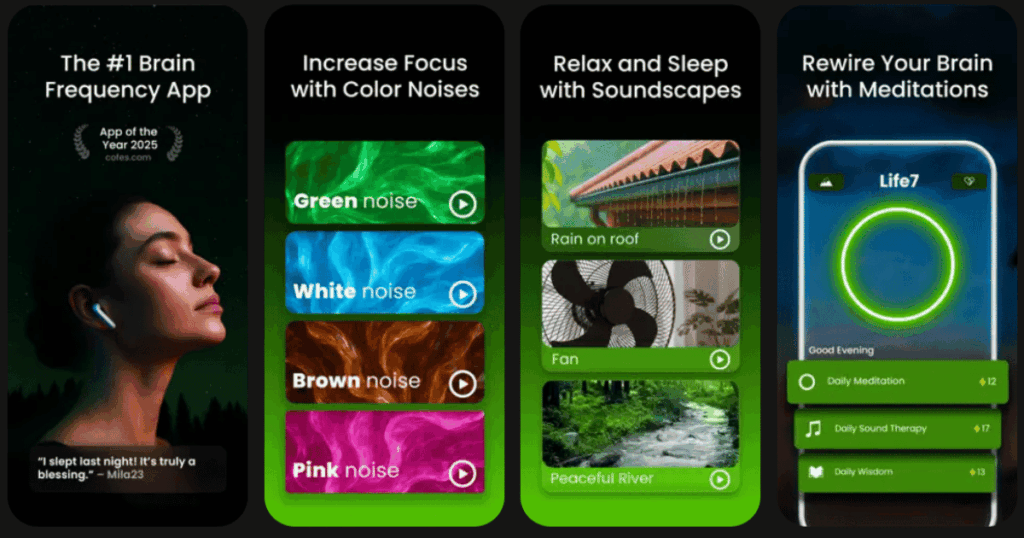
Life7 is a powerful all in one mental wellness app. It is perfect for anyone dealing with tinnitus who wants more than just sound masking. The app offers a complete toolkit for better sleep and calmer nights.
You get access to green noise, white noise, brown noise, pink noise and many more sound options. The app also includes delta, theta, alpha, beta and gamma wave music. Pure binaural beats and isochronic tones help calm your brain. You can use 432 Hz, 528 Hz and Solfeggio frequencies too.
The app goes beyond just sounds. It has bedtime stories for adults and kids. There are breathing exercises to calm your nervous system. SOS sessions help with anxiety and panic attacks.
Key Features:
- Multiple noise colors plus binaural beats and healing frequencies to mask tinnitus
- Backdrop mode lets you mix soundscapes with meditations, sleep stories and more
- CBT, hypnotherapy, and vagus nerve stimulation for deep emotional healing
What I like: I really appreciate how Life7 combines so many features in one app. The variety of sounds is impressive. From colored noises to 8D audio and ASMR, there is something for every type of tinnitus sufferer. The daily check ins and gamified approach keep me coming back. I love earning XP and building streaks while improving my sleep.
What I don’t like: The free content is a bit limited. You need to subscribe to unlock the full library. This might be frustrating if you want to try everything before committing.
Pricing: 7 day free trial available. Weekly, monthly and yearly subscription plans offered. Frequent special offers pop up too.
Platforms: iOS and Android
#2. Oto – Best for CBT Therapy for Tinnitus
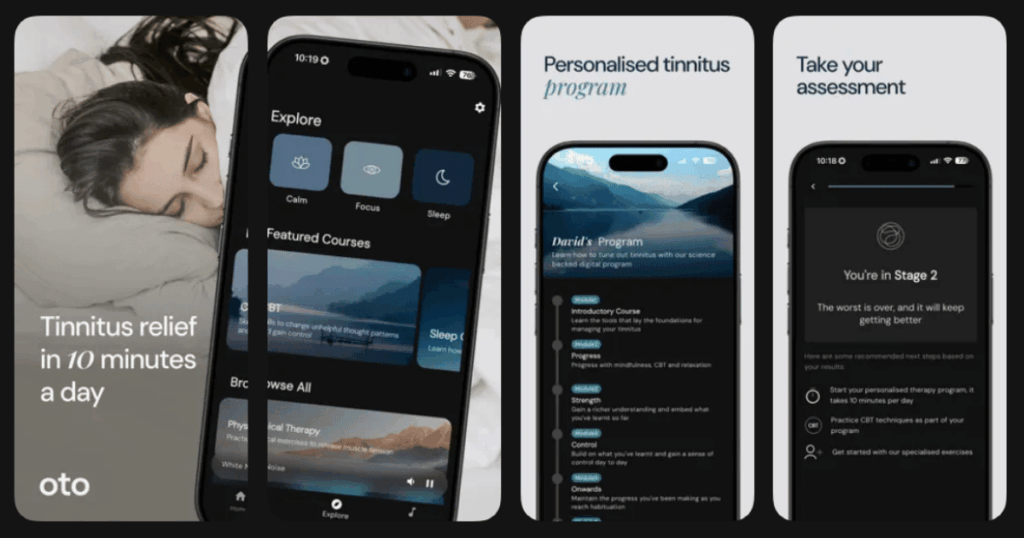
Oto was built by tinnitus specialists and doctors. It uses cognitive behavioral therapy to help your brain stop focusing on tinnitus. The app teaches you to tune out the ringing through daily audio sessions.
The program takes about 3 months to complete. You work through structured lessons that last 5 to 10 minutes each. Many users report benefits after just one month of use.
Key Features:
- Clinically proven CBT program developed by doctors and audiologists
- Personalized tinnitus assessment and customized relief plan
- Sleep tools including bedtime routines and masking sounds
What I like: This app feels like having a real therapist in your pocket. The sessions are short but effective. I appreciate that it teaches real skills rather than just covering up the sound. The STOPP tool for managing tinnitus spikes has been very helpful for me.
What I don’t like: The price point is higher than many other apps. Some users find it expensive at around 80 euros for 3 months. Also, it takes time to see results so you need patience.
Pricing: Free trial available. Monthly and yearly subscription options. Premium therapy features require a subscription.
Platforms: iOS and Android
#3. myNoise – Best for Customizable Sound Masking
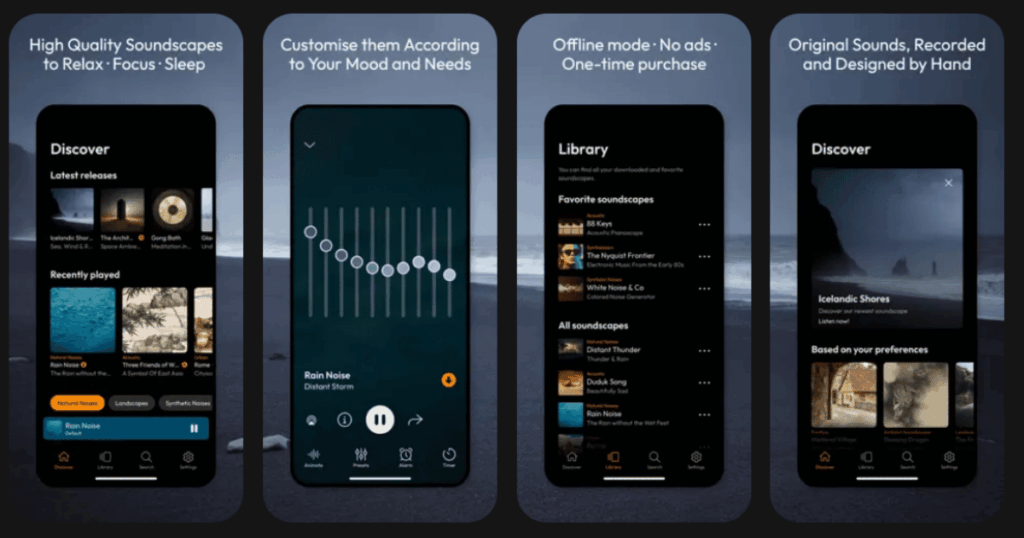
myNoise stands out for its incredible customization options. You can adjust every soundscape using 10 different sliders. This lets you fine tune sounds to perfectly match your tinnitus frequency.
The app was created by Dr. Stéphane Pigeon, an expert sound engineer. It includes over 300 premium soundscapes. You get everything from white noise to rain, forests and ambient drones.
Key Features:
- 10 adjustable sliders for complete sound customization
- Over 300 high quality soundscapes with new ones added regularly
- No subscriptions or ads after one time purchase
What I like: The customization is amazing. I can adjust bass and treble until the sound perfectly masks my tinnitus. The one time payment model is refreshing. No monthly fees draining my account. Hearing professionals often recommend this app and I understand why.
What I don’t like: The app can feel overwhelming at first. So many options might confuse beginners. Some sounds require the paid version to fully access.
Pricing: Freemium model with several free soundscapes. One time payment unlocks everything. No recurring subscription fees.
Platforms: iOS and Android
#4. BetterSleep – Best for Sound Mixing for Sleep
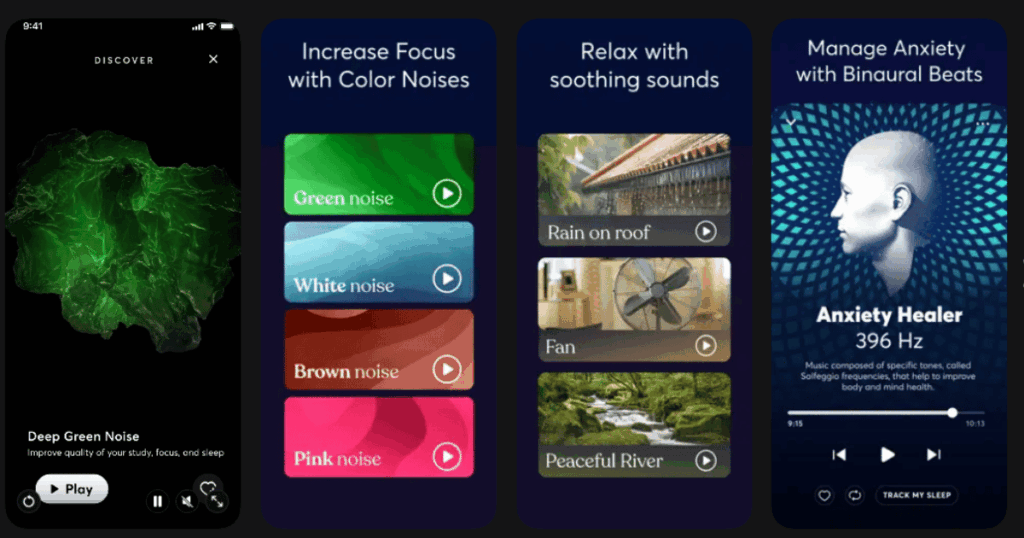
BetterSleep (formerly Relax Melodies) was originally created to help with tinnitus related insomnia. It lets you mix over 300 sounds to create your perfect sleep environment. The app has helped 55 million people sleep better.
The sound library includes nature sounds, white noise, binaural beats and solfeggio frequencies. You can also access guided meditations, bedtime stories and breathing exercises.
Key Features:
- 300+ sounds including colored noise, nature and ASMR that you can mix together
- Specific tinnitus relief meditations and sound therapy
- Sleep tracking to monitor your progress over time
What I like: Creating custom sound mixes is so easy and fun. I can layer rain with brown noise and a crackling fire. The result masks my tinnitus perfectly. The app was designed with tinnitus sufferers in mind from the very start. That really shows in its features.
What I don’t like: The best content requires a premium subscription. The free version feels limited. Some users report occasional bugs after app updates.
Pricing: Free version with basic sounds. Premium subscription available monthly (around $10), yearly (best value), or lifetime purchase.
Platforms: iOS and Android
#5. ReSound Tinnitus Relief – Best for Creating Custom Soundscapes
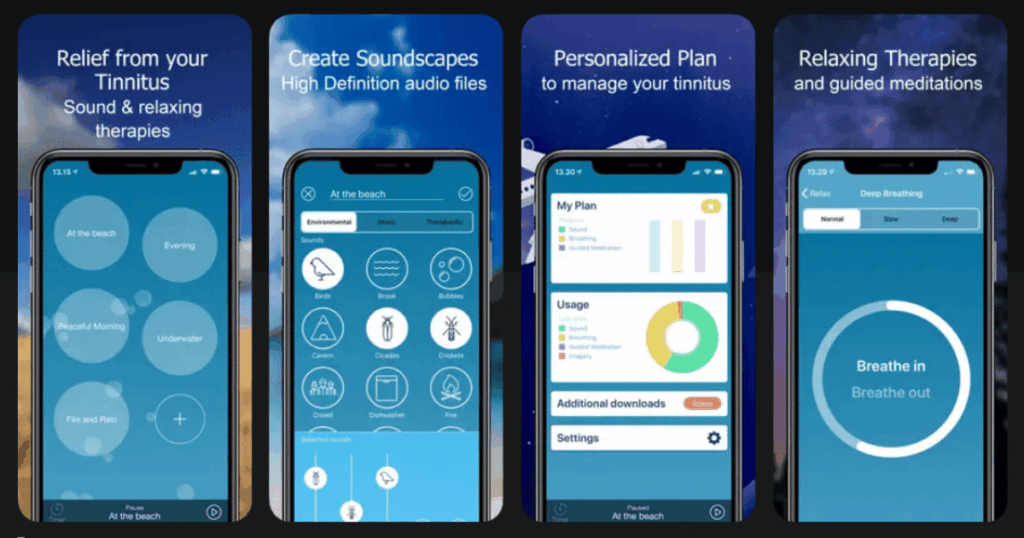
ReSound Relief combines sounds with relaxing exercises to distract your brain from tinnitus. Over time, your brain learns to focus less on the ringing. The app was designed by hearing aid professionals.
You can create and save your own soundscapes from environmental sounds and music pieces. The app also teaches you about tinnitus causes and management strategies.
Key Features:
- Mix environmental sounds and music to create personalized soundscapes
- Guided meditations, breathing exercises and imagery activities
- Learn section with tinnitus education and helpful tips
What I like: I love being able to save my favorite sound mixes. The relaxation exercises are really helpful for bedtime. The educational content helped me understand my tinnitus better. Customer support is responsive and helpful too.
What I don’t like: The free version has all the core features but some advanced options need a subscription. The hearing test feature sometimes glitches on certain devices.
Pricing: Core features are completely free. Premium My Plan subscription available for monthly or yearly fee to unlock personalized weekly plans.
Platforms: iOS and Android
#6. Beltone Tinnitus Calmer – Best for Personalized Tinnitus Management
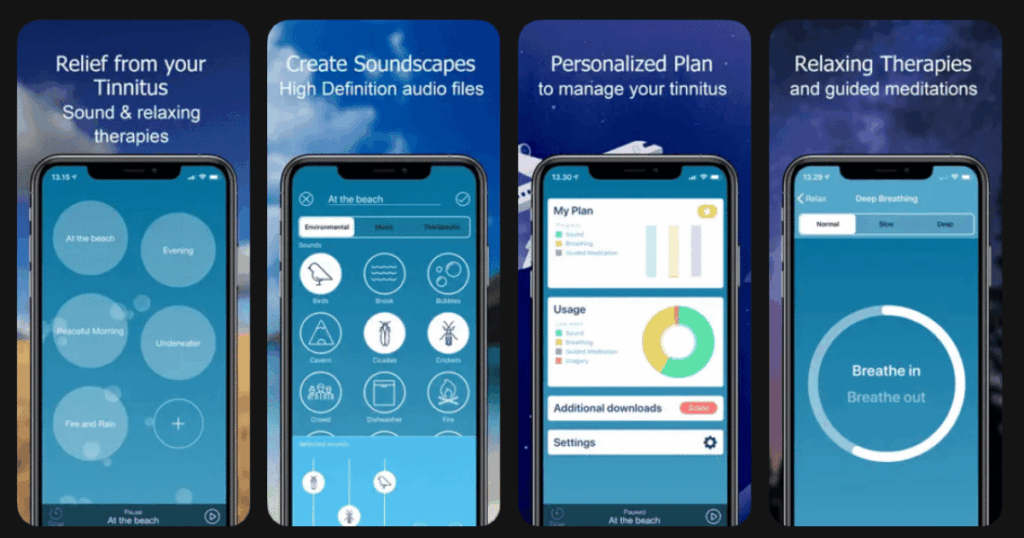
Beltone Tinnitus Calmer offers seven coping skills to help you manage tinnitus. The app tracks which sounds work best for you. It creates personalized weekly plans based on your needs.
The seven coping skills include using sounds, deep breathing, imagery, guided meditation, pleasant activities, changing thoughts and better sleep techniques.
Key Features:
- Seven different coping skills covering multiple approaches to tinnitus relief
- Create custom soundscapes and track which ones help you most
- Personalized weekly plans based on your specific tinnitus challenges
What I like: The variety of coping methods is excellent. When one approach does not work, I can try another. The usage tracking shows me exactly which sounds helped me sleep best. The app is completely free which is rare for this quality.
What I don’t like: The interface feels a bit dated compared to newer apps. Some users report losing their saved soundscapes after updates. Preinstalled soundscapes sometimes disappear and need reinstalling.
Pricing: Completely free with all features included.
Platforms: iOS and Android
#7. White Noise Lite – Best for Simple Sound Masking
White Noise Lite is a straightforward app that does one thing very well. It generates ambient sounds to mask tinnitus and other unwanted noises. The app includes over 50 HD sounds.
You can blend multiple sounds together. There is a timer function and the sounds play in the background. The app works great for sleep, relaxation and focus.
Key Features:
- 50+ HD looped sounds including colored noise, nature and mechanical sounds
- Mix multiple sounds and save as favorites
- Timer and alarm features for sleep and wake routines
What I like: Simplicity is the strength here. I just open the app and pick a sound. No complicated menus or settings to figure out. The sounds loop perfectly without annoying seams. This app has helped me mask my tinnitus for years now.
What I don’t like: The lite version has small banner ads. Premium features require an upgrade. Battery drain can be an issue when running all night on some devices.
Pricing: Free lite version with ads. Full version available for a small one time fee (around $1).
Platforms: iOS and Android
#8. Sound Oasis Tinnitus Therapy – Best for Doctor Developed Sound Therapy
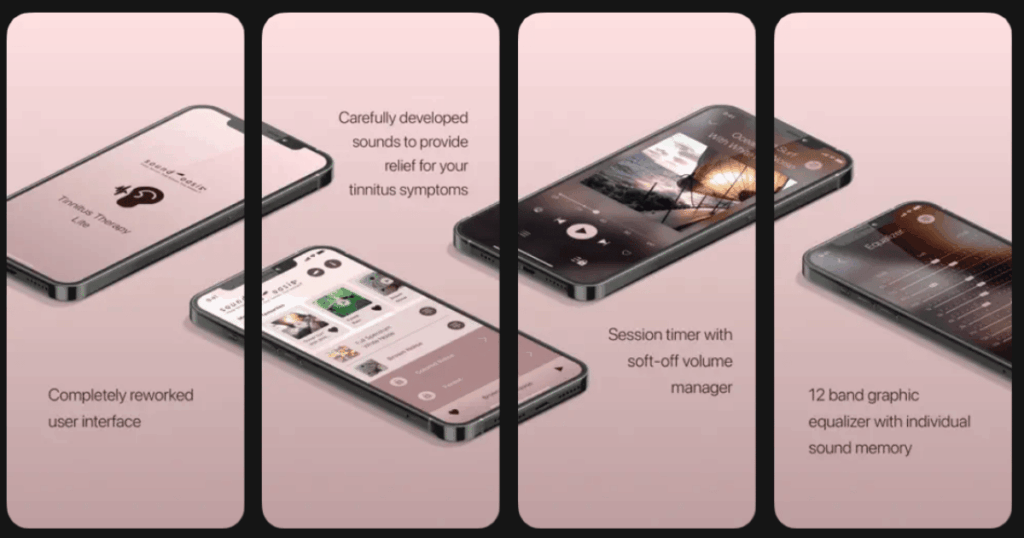
Sound Oasis was developed by doctors specifically for tinnitus relief. It includes 15 tunable therapy sounds. The built in equalizer lets you adjust 10 different frequencies to match your tinnitus.
The app uses sound masking to make tinnitus less noticeable. It works especially well at night when the environment is quieter and tinnitus seems louder.
Key Features:
- 15 tuneable therapy sounds developed by doctors
- 10 band equalizer to customize sounds to your tinnitus frequency
- Soft off timer that gradually fades sound to avoid sudden waking
What I like: The equalizer is fantastic for fine tuning. I can adjust specific frequencies until my tinnitus blends right in. The soft off feature prevents me from waking when sounds stop. These are small details that show real understanding of tinnitus sufferers.
What I don’t like: The sound selection is smaller than some competitors. The app interface looks a bit outdated. No guided meditation or CBT content is included.
Pricing: One time purchase with no subscription required. Check app stores for current pricing.
Platforms: iOS and Android
#9. Naturespace – Best for Immersive Nature Sounds
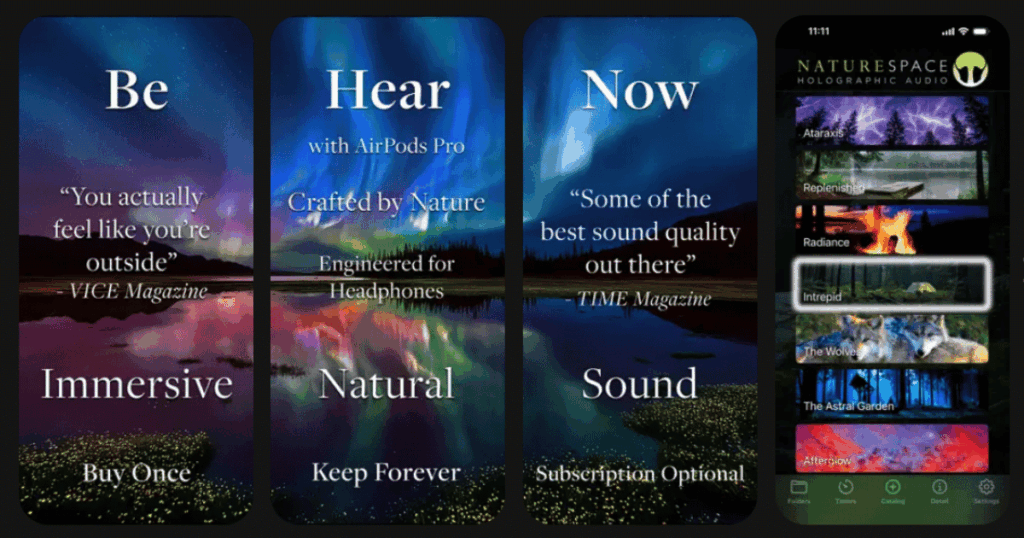
Naturespace focuses on ultra high quality nature recordings. The sounds are designed for full immersion through headphones. Many users find nature sounds more pleasant than artificial white noise.
The recordings feature natural environments like forests, streams, rain and ocean waves. There are no loops or artificial sounds.
Key Features:
- High fidelity 3D holographic recordings of real nature environments
- No audio loops for a more natural listening experience
- Full screen artwork and sleep timer features
What I like: The sound quality is outstanding. These recordings feel incredibly real. I can close my eyes and feel like I am actually in a forest. The natural sounds are relaxing without being distracting. My tinnitus blends right into the ambient environment.
What I don’t like: The app is more limited in scope than all in one solutions. No CBT or meditation content. The free version has fewer sounds to choose from.
Pricing: Free version with some sounds. Premium sounds available as in app purchases.
Platforms: iOS and Android
Do Sleep Apps Really Help With Tinnitus?
Yes, sleep apps can provide real relief for tinnitus sufferers. Research shows that sound therapy is one of the most effective ways to manage tinnitus. Apps work by masking the ringing sound with pleasant audio.
Your brain learns to focus on the external sounds instead of the tinnitus. Over time, many people find their tinnitus becomes less bothersome. Apps with CBT components can be especially helpful. They teach techniques to change how you respond to tinnitus.
However, apps work best as part of a complete tinnitus management plan. You should still see an audiologist or ENT doctor. They can rule out underlying conditions and suggest treatments that work alongside apps.
What Is the Best Sound Color for Masking Tinnitus?
The best sound color varies from person to person. It depends on the frequency and type of your tinnitus. White noise contains all frequencies equally and works for many people. Pink noise has more bass and feels softer. It often works better for sleep.
Brown noise is even deeper and more rumbling. Many tinnitus sufferers find it very relaxing. Some people prefer green noise which sounds like nature. Experiment with different colors to find what works for you.
Match the sound to your tinnitus pitch if possible. If your tinnitus is high pitched, sounds with similar frequencies might blend better. Apps like myNoise and Life7 let you adjust frequencies precisely.
Should I Use Tinnitus Apps All Night While Sleeping?
Using tinnitus apps all night is generally safe and often helpful. Many apps include timer features that fade out sounds gradually. This prevents sudden silence from waking you up. Continuous sound throughout the night can help you sleep deeper.
Start with a timer if you are new to sleep sounds. See how you feel in the morning. Some people sleep better with sounds all night. Others prefer sounds just for falling asleep.
Keep the volume at a comfortable level. It should be just loud enough to mask your tinnitus. Too loud can damage hearing over time. Most experts recommend keeping sounds at 60 decibels or below.