9 Best Apps For Behavior Change
| App Name | Best For | Key Features | AC Rating | Pricing |
|---|---|---|---|---|
| Life7 | All-in-one mental wellness | Binaural beats, CBT tools, sleep stories, meditation | 4.5/5 | Free trial, then subscription plans |
| Fabulous | Science-backed habit building | Behavioral science coaching, journey-based routines, habit stacking | 4.3/5 | Free version, premium subscription available |
| Noom | Psychology-based weight loss | Daily lessons, food logging, coaching, behavior change curriculum | 4.2/5 | Monthly subscription starting at $17 |
| Habitica | Gamified habit tracking | RPG game mechanics, quests, avatar leveling, social features | 4.4/5 | Free with optional subscription |
| Calm | Meditation and sleep improvement | Sleep stories, guided meditations, breathing exercises, masterclasses | 4.0/5 | Free content, premium subscription available |
| Headspace | Beginner-friendly mindfulness | Guided meditation courses, animations, sleep content, focus music | 4.5/5 | Free trial, then monthly or yearly plans |
| Streaks | Simple daily habit tracking | Apple Health integration, widgets, clean interface, streak counting | 4.8/5 | One-time purchase |
| Daylio | Mood and activity tracking | Mood journaling, activity correlation, statistics, privacy focused | 4.7/5 | Free version, premium available |
| Way of Life | Flexible habit journaling | Color-coded tracking, trend charts, note-taking, weekly patterns | 4.6/5 | Free with premium upgrade |
#1. Life7 – Best for All-in-one Mental Wellness
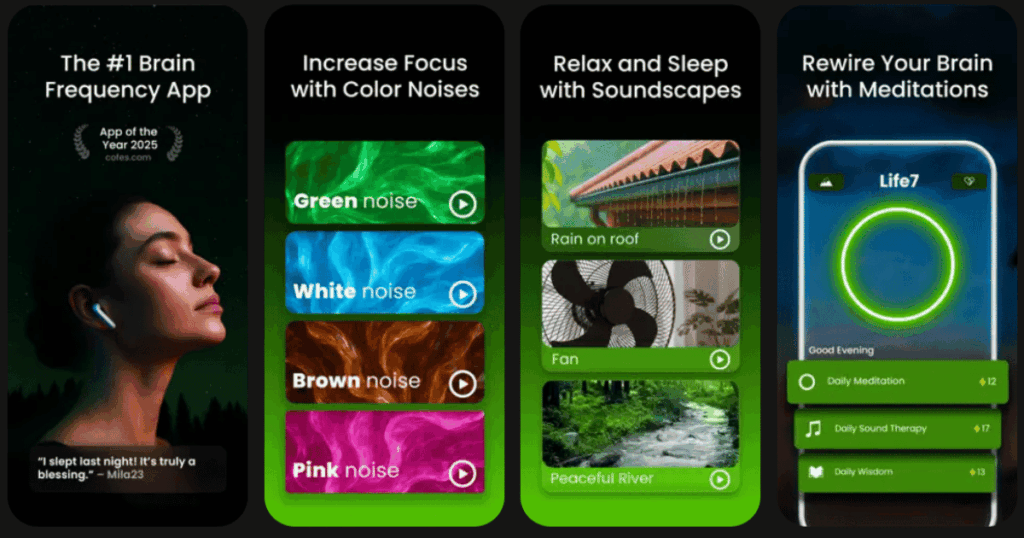
Life7 is my top pick for anyone serious about changing their behavior and improving their mental health. This app covers everything from stress relief to better sleep. It offers an amazing library of guided meditations, sleep stories, breathwork sessions, and unique features like binaural beats and brain frequency music.
What sets Life7 apart is its science-backed approach to wellness. You get access to cognitive behavioral therapy tools, hypnotherapy sessions, and even vagus nerve stimulation exercises. The app helps you build daily habits with features like streak tracking and XP rewards. New sessions drop every day to keep things fresh and engaging.
Key Features:
- Delta, Theta, Alpha, Beta, and Gamma wave music plus binaural beats and solfeggio frequencies for deep relaxation
- SOS panic attack sessions and breathing exercises to calm your nervous system fast
- Gamified approach with XP, streaks, and progress tracking to keep you motivated
What I like: I love how Life7 packs so much into one app. The variety is incredible. One minute I am doing a quick breathing exercise, and the next I am falling asleep to a dreamy soundscape. The daily check-ins and new sessions keep me coming back. The 8D audio and ASMR features are super cool additions that most apps do not offer.
What I don’t like: The free content can feel a bit limited. You really need the premium subscription to unlock the full library and get the most out of all the features.
Pricing: 7-day free trial available. Weekly, monthly, and yearly plans offered with frequent special promotions.
Platforms: iOS and Android
#2. Fabulous – Best for Science-backed Habit Building

Fabulous started at Duke University’s Behavioral Economics Lab. That means real scientists helped design how it teaches you to build habits. The app uses a journey-based system that starts you slow and builds up over time. You pick a goal and the app guides you step by step.
The magic is in the small wins. Fabulous starts you with simple tasks like drinking water each morning. Once that becomes automatic, it adds more habits. This stacking approach makes big changes feel possible. The app also sends you beautiful letters and motivational messages that feel personal and encouraging.
Key Features:
- Journey-based coaching that starts slow and builds up your routine one habit at a time
- Environmental change techniques that help you set up your space for success
- Progress tracking with colorful illustrations and unlockable achievements
What I like: The science behind this app is solid. I appreciate how it does not overwhelm you with ten habits at once. The personalized coaching and letters feel like having a supportive friend. The design is gorgeous too.
What I don’t like: Some users find the interface a bit busy. The app also asks a lot of questions upfront before you can really dive in.
Pricing: Free version with limited features. Premium subscription around $40 per year. 7-day free trial available.
Platforms: iOS and Android
#3. Noom – Best for Psychology-based Weight Loss
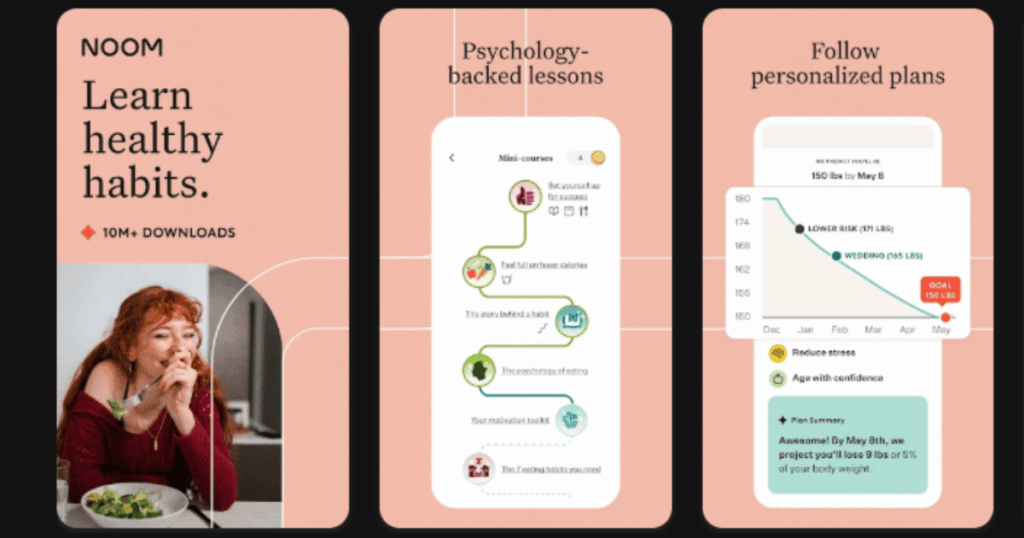
Noom takes a completely different approach to weight loss. Instead of just counting calories, it teaches you why you eat. The app uses psychology to help you understand your habits and change them for good. Daily lessons cover topics like emotional eating, mindful choices, and motivation.
The color-coded food system is easy to understand. Green foods are great to eat freely, yellow in moderation, and red occasionally. But the real power is in the behavior change lessons. In just a few minutes each day, you learn about the mental side of eating. Many users report losing weight and actually keeping it off.
Key Features:
- Daily psychology-based lessons grounded in cognitive behavioral therapy principles
- AI-powered food logging with over 1 million foods in the database
- Access to personal coaches and supportive community groups called Circles
What I like: This is not another diet app. It actually changes how you think about food. The daily lessons are quick and easy to read. The coaching support helps when motivation dips. Studies show most users lose weight and keep it off.
What I don’t like: The subscription cost can add up over time. Some users find the food tracker a bit clunky compared to simpler calorie apps.
Pricing: Plans start around $17 per month. Pricing varies based on subscription length.
Platforms: iOS and Android
#4. Habitica – Best for Gamified Habit Tracking
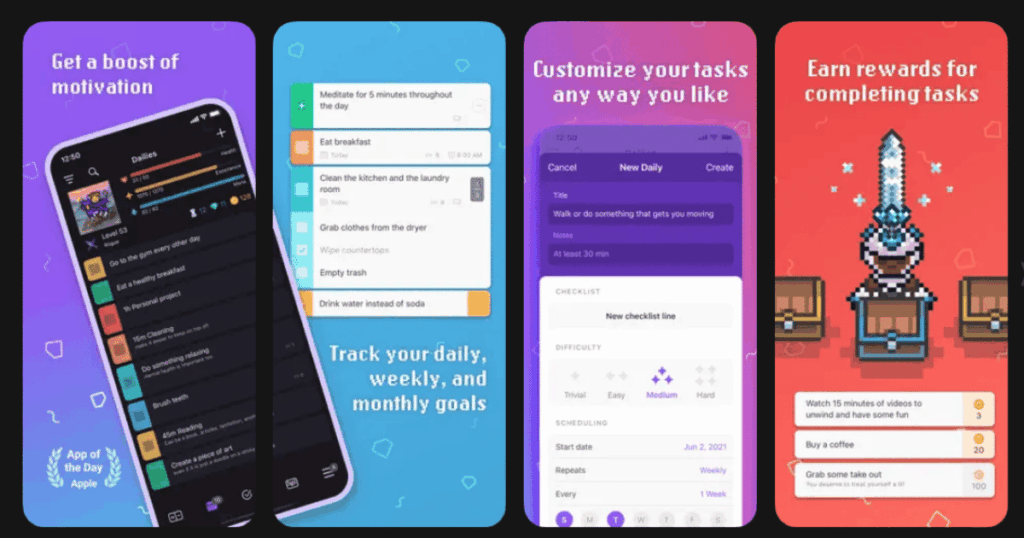
Habitica turns your life into a video game. When you complete a task in real life, you earn gold and experience points in the app. Miss a habit and your character takes damage. It sounds silly but it works incredibly well for people who love games.
You create a pixel art avatar and go on quests. The more habits you complete, the stronger you get. You can join parties with friends and battle monsters together. This social element adds accountability in a fun way. The app handles habits, dailies, and one-time tasks all in one place.
Key Features:
- Full RPG experience with leveling up, collectible gear, and pet hatching
- Party and guild features that let you team up with friends for shared accountability
- Flexible tracking for daily habits, recurring tasks, and one-time to-dos
What I like: The game mechanics genuinely motivate me. Breaking a streak actually hurts because my character loses health. The community is supportive and the challenges keep things interesting. It is free and works well without paying.
What I don’t like: The game elements might feel childish to some users. The interface can be a bit confusing at first.
Pricing: Free to use with optional subscription for cosmetic items starting around $5 per month.
Platforms: iOS, Android, and web
#5. Calm – Best for Meditation and Sleep Improvement
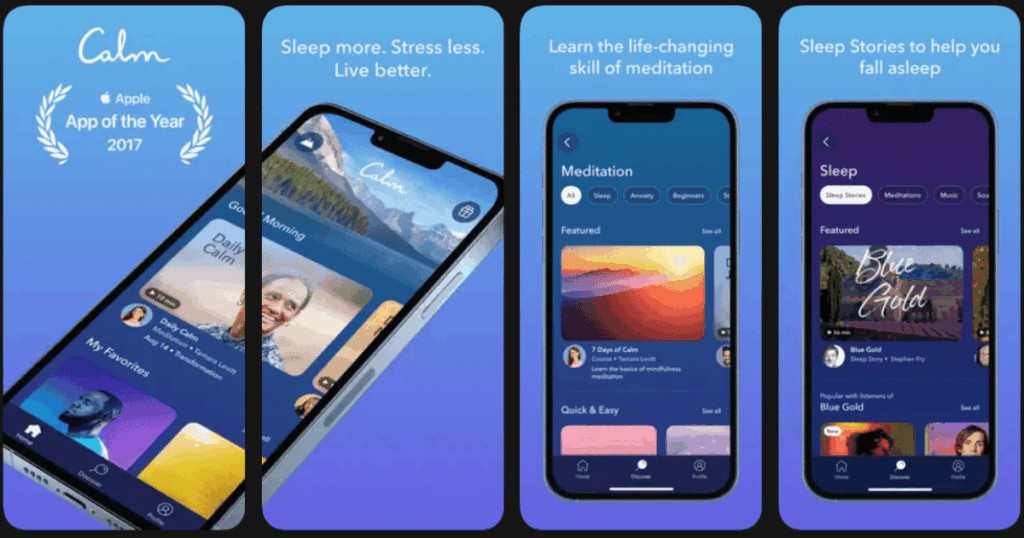
Calm is one of the most popular meditation apps in the world. It focuses on relaxation, mindfulness, and sleep. The app features celebrity-narrated sleep stories that help you drift off peacefully. Stars like Matthew McConaughey and Harry Styles have recorded content for the app.
The meditation library covers anxiety, stress, focus, and gratitude. Sessions range from quick three-minute breaks to longer deep dives. The Masterclasses feature expert-led courses on topics like happiness and creativity. The design is beautiful with calming nature scenes and sounds.
Key Features:
- Over 500 sleep stories narrated by celebrities and soothing voices
- Hundreds of guided meditations covering stress, anxiety, focus, and more
- Daily Calm feature that delivers a new 10-minute meditation every single day
What I like: The sleep stories are a game changer for my bedtime routine. The production quality is top-notch. The variety of meditation topics means there is always something useful. The kids section is great for families.
What I don’t like: Most content requires a premium subscription. The app can feel overwhelming with so many options. Some users prefer more structured beginner programs.
Pricing: Monthly subscription around $17 or yearly around $80. Lifetime option available. 7-day free trial included.
Platforms: iOS and Android
#6. Headspace – Best for Beginner-friendly Mindfulness
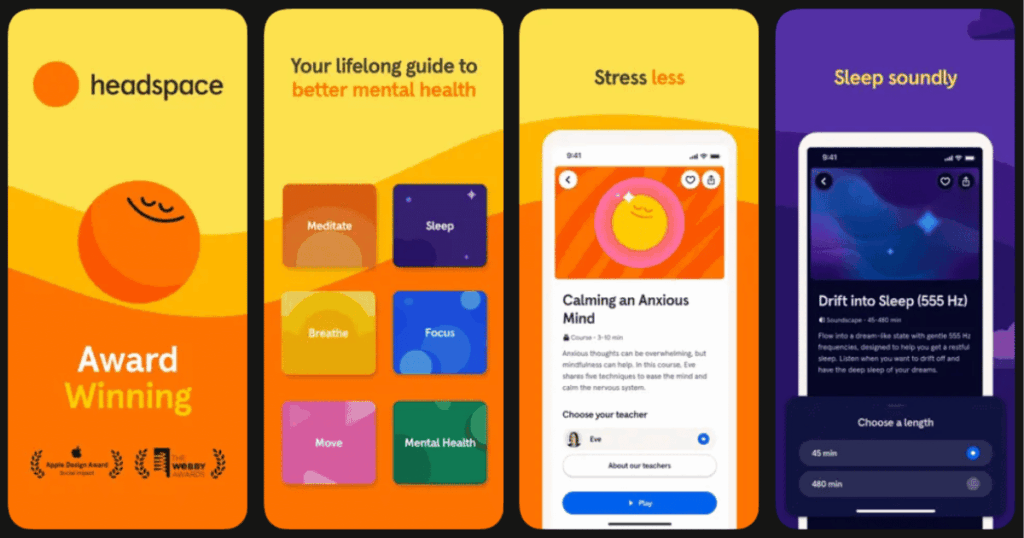
Headspace makes meditation simple and approachable. The app was co-founded by a former Buddhist monk who narrates many of the sessions. The animated explanations help newcomers understand what meditation is all about. It feels less intimidating than jumping straight into silent sitting.
The progressive courses guide you from complete beginner to more advanced practices. The content covers stress, sleep, focus, and even mindful eating. Kids get their own section with fun animations featuring Sesame Street characters. The recent additions include therapy sessions and coaching for deeper support.
Key Features:
- Progressive meditation courses that teach you step by step from basics to advanced
- Sleepcasts that combine stories with ambient sounds for 45-55 minutes of relaxation
- Focus music and work playlists designed to boost concentration and productivity
What I like: The structured learning path makes meditation feel achievable. The animations are charming and explain concepts clearly. The buddy feature helps you stay accountable with friends. The content quality is consistently excellent.
What I don’t like: The same few instructors can feel repetitive over time. The monthly cost is higher than some competitors.
Pricing: Monthly around $13 or yearly around $70. Student plan available at steep discount. 14-day free trial included.
Platforms: iOS and Android
#7. Streaks – Best for Simple Daily Habit Tracking
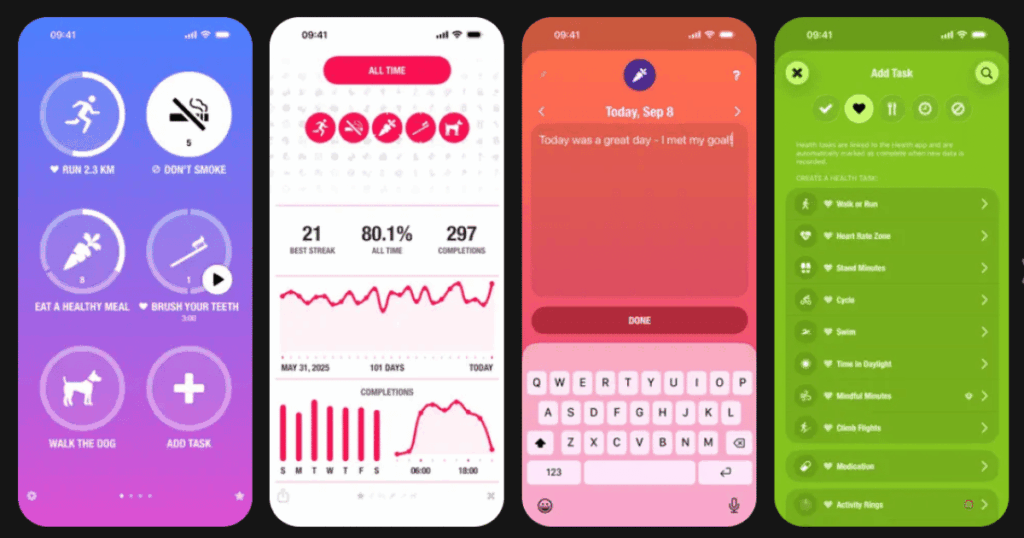
Streaks is an Apple Design Award winner and it is easy to see why. The app is beautifully simple. You pick up to 24 habits and track them each day. The goal is to build a streak and not break the chain. The clean interface makes logging habits take just seconds.
The Apple Health integration is brilliant. If you set a step goal or mindfulness minutes, the app automatically marks them complete. Widgets let you see and complete habits right from your home screen. The app syncs across all your Apple devices including Apple Watch.
Key Features:
- Automatic completion for health-related habits by syncing with Apple Health data
- Highly customizable with 78 color themes, 600 icons, and flexible scheduling options
- Home screen widgets that show progress and let you check off habits instantly
What I like: The simplicity is refreshing. I can log all my habits in under 30 seconds. The Apple ecosystem integration is seamless. The design is gorgeous and motivating. One-time purchase means no subscriptions.
What I don’t like: Only available on Apple devices. The maximum of 24 habits might feel limiting for some power users.
Pricing: One-time purchase around $5. No subscription required.
Platforms: iOS only (iPhone, iPad, Mac, Apple Watch)
#8. Daylio – Best for Mood and Activity Tracking

Daylio helps you understand the connection between what you do and how you feel. The app is like a bullet journal for your mood. You pick a mood emoji and select activities you did that day. Over time, patterns emerge. You might discover that exercise boosts your mood or that certain activities bring you down.
The beautiful Year in Pixels view shows your entire year of moods at a glance. Statistics reveal which activities correlate with your best days. You can set goals and track habits too. The privacy focus means your data stays on your device.
Key Features:
- One-tap mood tracking with customizable emoji scale and activity icons
- Powerful statistics that show correlations between activities and mood patterns
- Goal setting and habit tracking integrated with mood data for complete insight
What I like: It takes just seconds to log a mood entry. The insights are genuinely useful. Seeing which activities make me happier has changed my behavior. The customization options let you track exactly what matters to you.
What I don’t like: The free version has limited features. The app lacks educational content about mood management.
Pricing: Free version available. Premium around $5 per month or $36 per year with 7-day trial.
Platforms: iOS and Android
#9. Way of Life – Best for Flexible Habit Journaling

Way of Life takes a unique approach to habit tracking. Instead of just yes or no, you can mark habits as done, not done, or skipped. This flexibility is perfect for real life. Sometimes you have a good reason to skip a habit and that should not break your streak.
The color-coded system makes trends easy to spot. Green for yes, red for no, and blue for skipped. Charts and graphs show your progress over weeks and months. The note-taking feature lets you add context to any entry. It is simple but surprisingly powerful.
Key Features:
- Three-way tracking with yes, no, and skip options that respects real-life flexibility
- Detailed charts showing weekly, monthly, and long-term trend patterns
- Note-taking feature to add context and reflections to each habit entry
What I like: The flexibility is refreshing. I can skip a rest day without guilt or breaking a streak. The quick daily logging takes less than a minute. Being featured on Tim Ferriss and recommended by Forbes says a lot about its effectiveness.
What I don’t like: The Android version has fewer features than iOS. Cloud syncing requires premium.
Pricing: Free version with limited habits. Premium one-time purchase around $6.
Platforms: iOS and Android
What Makes a Good Behavior Change App?
The best behavior change apps share some key features. They make tracking easy and fast so you actually use them daily. They provide feedback and insights that help you understand your patterns. And they use proven psychology to keep you motivated over time.
Look for apps that start small and build up gradually. Trying to change everything at once usually fails. The most effective apps let you focus on one or two habits first. Once those stick, you can add more.
Social features and accountability also help many people. Whether it is competing with friends or sharing progress, connection makes habits stick. Apps like Habitica and Noom use community features to boost motivation.
How Long Does It Take to Change a Behavior?
Many people have heard it takes 21 days to form a habit. The real answer is more complicated. Research suggests it takes an average of 66 days for a behavior to become automatic. But this varies widely from person to person and habit to habit.
Simple habits like drinking water might become automatic in a few weeks. Complex behaviors like exercising daily can take several months. The key is consistency over time. Missing one day does not ruin your progress as long as you get back on track quickly.
Are Free Behavior Change Apps Worth It?
Free behavior change apps can be very effective. Apps like Habitica and Loop offer robust features without charging anything. The free versions of Daylio and Way of Life also work well for basic tracking.
That said, premium features often add real value. Unlimited habits, advanced statistics, and cloud backup make a difference for serious users. Most apps offer free trials so you can test before committing. If an app helps you build lasting habits, the subscription is usually worth the investment in yourself.