9 Best Meditation Apps For Chronic Illness
| App Name | Best For | Key Features | AC Rating | Pricing |
|---|---|---|---|---|
| Life7 | All-in-one mental wellness | Binaural beats, sleep stories, CBT tools, vagus nerve stimulation | 4.8/5 | Free trial, then weekly/monthly/yearly plans |
| Curable | Chronic pain management | Brain training exercises, pain psychology, virtual coach Clara | 4.7/5 | Free limited, premium subscription available |
| Headspace | Structured meditation programs | Pain Management pack, guided courses, sleep content | 4.6/5 | Free trial, then subscription |
| Calm | Sleep and relaxation | Celebrity sleep stories, soundscapes, daily meditations | 4.5/5 | Free limited, premium subscription |
| Insight Timer | Free meditation variety | 120,000+ free meditations, mood tracking, community features | 4.5/5 | Free with optional premium |
| BetterSleep | Sleep improvement | 300+ sleep sounds, sound mixing, sleep tracking | 4.4/5 | Free limited, premium subscription |
| Happier Meditation | Personalized mindfulness | 500+ guided meditations, topic specific content, podcasts | 4.3/5 | Free trial, then subscription |
| Waking Up | Deep mindfulness practice | 28-day intro course, theory lessons, multiple teachers | 4.3/5 | Free trial, then subscription |
| Healthy Minds | Budget-friendly basics | Free guided meditations, micro meditations, structured courses | 4.2/5 | Completely free |
#1. Life7 – Best for All-in-One Mental Wellness
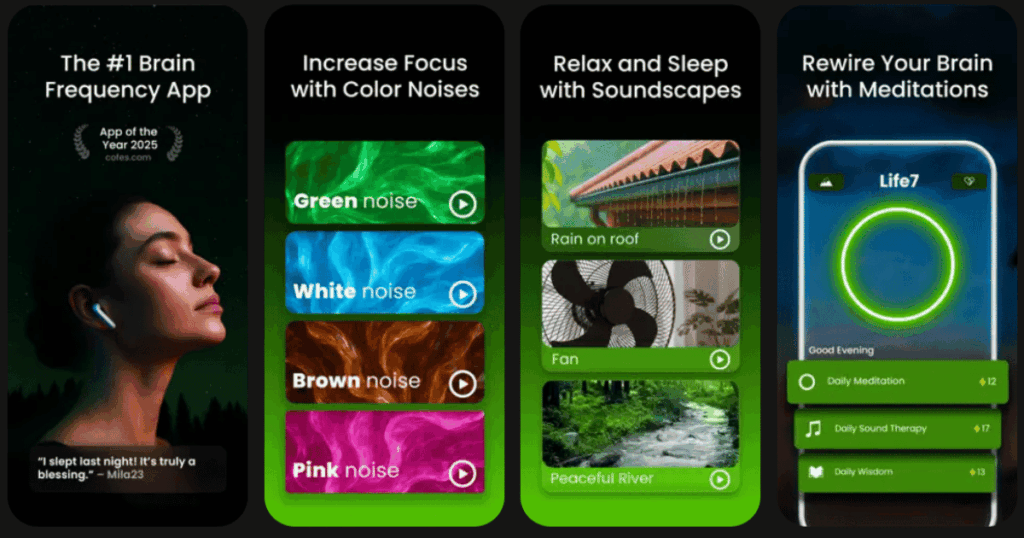
Living with chronic illness means you need more than just basic meditation. I found Life7 to be a complete toolkit for mental wellness. This app combines guided meditations with science-backed sound therapy to help manage stress, anxiety, and pain.
What makes Life7 stand out is its variety. You get access to binaural beats, solfeggio frequencies, and brain wave music. These aren’t just buzzwords. They actually help calm your nervous system. The app also includes sleep stories, breathing exercises, and even cognitive behavioral therapy tools.
For those of us dealing with chronic conditions, the SOS sessions for anxiety and panic attacks are game changers. You can also track your mood and build meditation streaks with the gamified approach.
Key Features:
- Delta, theta, alpha, beta, and gamma wave music with pure binaural beats and isochronic tones
- Vagus nerve stimulation and nervous system reset sessions for deep relaxation
- Daily check-ins, mood tracking, and progress dashboard with gamified XP rewards
What I like: Life7 offers something I haven’t found anywhere else. The combination of sound therapy with traditional meditation creates a complete wellness experience. I especially love the backdrop mode that lets you mix soundscapes with meditations. The hypnotherapy and transcendental meditation options give you deeper healing tools. Plus, having new daily sessions keeps things fresh.
What I don’t like: The free content is a bit limited. You’ll need a subscription to unlock the full experience. However, they do offer frequent special offers and a 7 day free trial to test everything out.
Pricing: 7 day free trial available. Weekly, monthly, and yearly subscription plans offered with frequent special promotions.
Platforms: iOS and Android
#2. Curable – Best for Chronic Pain Management
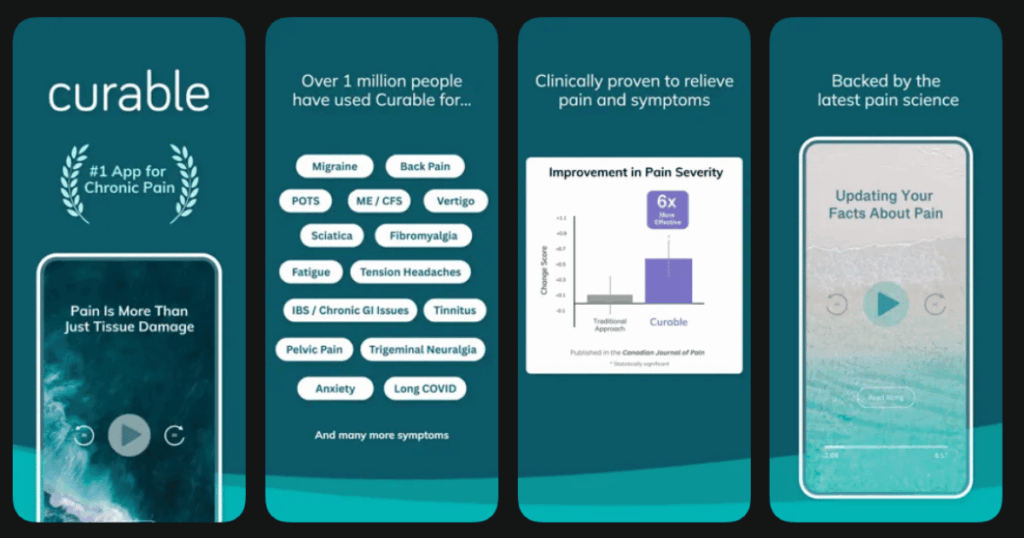
Curable is the #1 app for chronic pain relief and has helped over 1 million people find lasting relief from chronic pain and symptoms, including back pain, migraine, fibromyalgia, sciatica, and more. This app takes a completely different approach to pain.
Curable is based on neuroscience and the discovery that the brain and central nervous system are much more involved in chronic pain than once thought. The app uses pain psychology to help retrain your brain.
The virtual coach Clara guides you through the content in a chat format. She explains each exercise and why it helps. 69% of users report physical symptom relief in just 30 days.
Key Features:
- Brain training exercises with visualization to help you control your brain’s pain response
- Writing exercises that serve as the most common “breakthrough point” where users start to feel relief
- Panic button feature for moments where strong sensations are present with breathing exercises and soothing techniques
What I like: The app addresses not just many types of chronic pain, but also fatigue and anxiety. I appreciate how it teaches you the science behind your pain. The educational approach makes you feel empowered rather than helpless. Monthly live events led by experts provide a space for users to connect and ask questions.
What I don’t like: This app requires real commitment. The writing exercises take 20 to 30 minutes per session. If you’re looking for quick fixes, this isn’t it. But for lasting change, the time investment is worth it.
Pricing: Free limited access available. Premium subscription unlocks full program with various plan options.
Platforms: iOS and Android
#3. Headspace – Best for Structured Meditation Programs
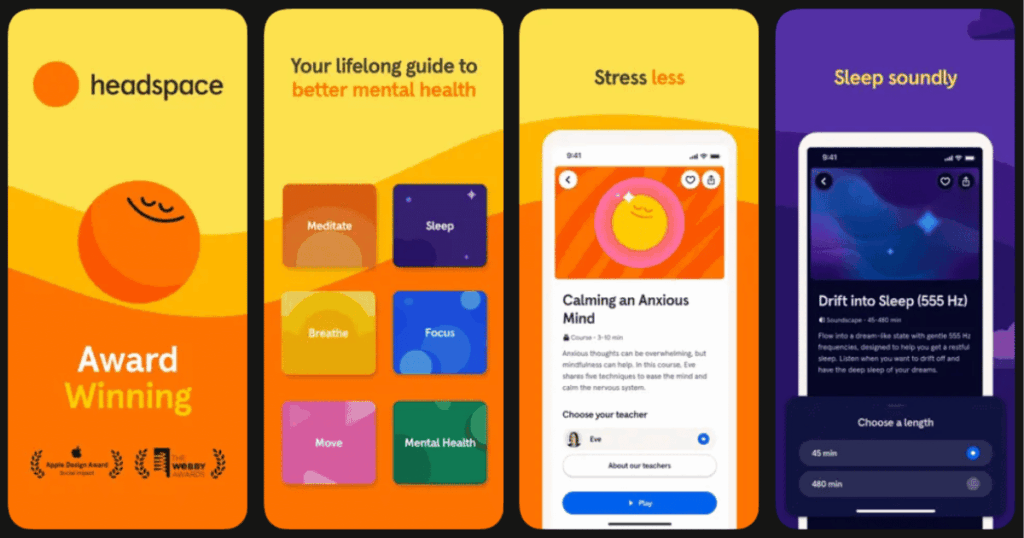
Headspace has a dedicated Pain Management pack available for subscribers. This makes it especially valuable for those with chronic illness. If you suffer from lower back pain, kidney pain, muscle spasms or headaches, meditation might help you change your relationship with these difficult physical sensations.
The app allowed me to step outside myself and observe how my pain functions in my body, offering clarity on the type of pain I was experiencing. This kind of awareness is incredibly helpful for doctor visits.
Headspace has been shown to reduce stress and symptoms of depression and anxiety among adults, and improve quality of life for asthma and cancer patients.
Key Features:
- Over 500 guided meditations with quick 3 minute mental resets to longer sessions
- Sleep sounds, sleepcasts, and wind down exercises designed to improve sleep
- CBT techniques and therapy exercises to help overcome negative thoughts
What I like: Using Headspace gave me a real chance to observe my thoughts about my pain. The structured approach works well for beginners. The animations make learning meditation concepts easy to understand. I also love that it doesn’t feel too “woo woo” for skeptics.
What I don’t like: Almost all the content is behind a paywall. The free content is very limited. You need a subscription to access the really helpful stuff like the Pain Management pack.
Pricing: Free trial available. Annual and monthly subscription plans offered with student and family options.
Platforms: iOS and Android
#4. Calm – Best for Sleep and Relaxation
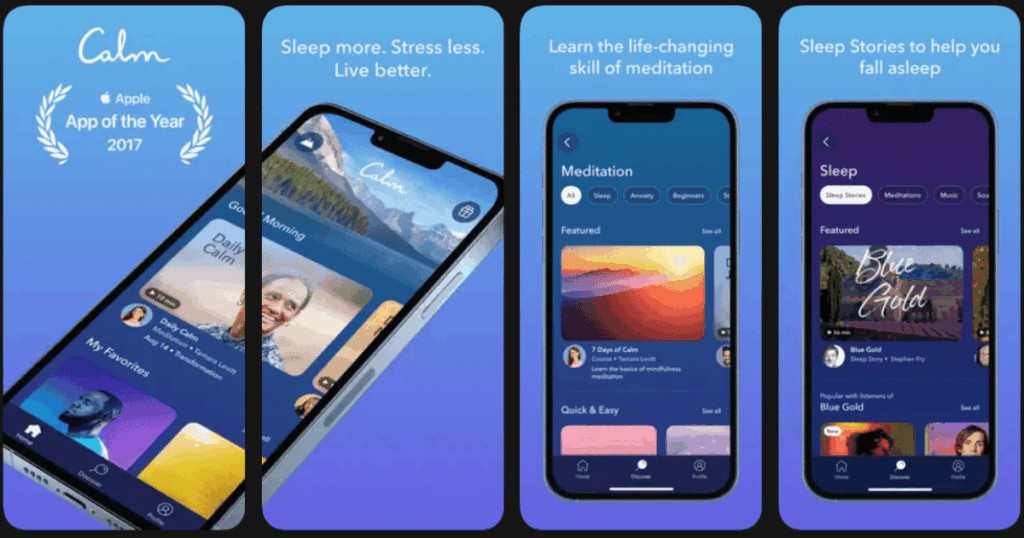
Calm provides guided sessions designed to reduce stress and promote relaxation, which can be particularly beneficial for those experiencing chronic pain. Sleep is often disrupted by chronic illness, and Calm addresses this head on.
Calm is celebrated for the relaxed approach it takes to empowering users. The app eases you into meditative practices without overwhelming you. A standout feature is its sleep stories library with hundreds of stories narrated by celebrities including Matthew McConaughey, Tom Hardy, and Harry Styles.
Key Features:
- Daily guided meditations in sessions ranging from 3 to 25 minutes
- Sleep stories and music designed to improve sleep quality
- Check-in feature for personalized meditations based on your current mood
What I like: The sleep content is truly exceptional. My favorite sleep story was Blue Gold read by Stephen Fry, and I don’t think I’ve made it past the 10 minute mark! The variety of content means there’s always something new to try. The mood check-ins help personalize your experience.
What I don’t like: The few free items are limited to three plays each before they are locked. This makes the app nearly useless without a subscription. The cost is also higher than some alternatives.
Pricing: Limited free content. Premium subscription required for full access with annual plan available.
Platforms: iOS and Android
#5. Insight Timer – Best for Free Meditation Variety
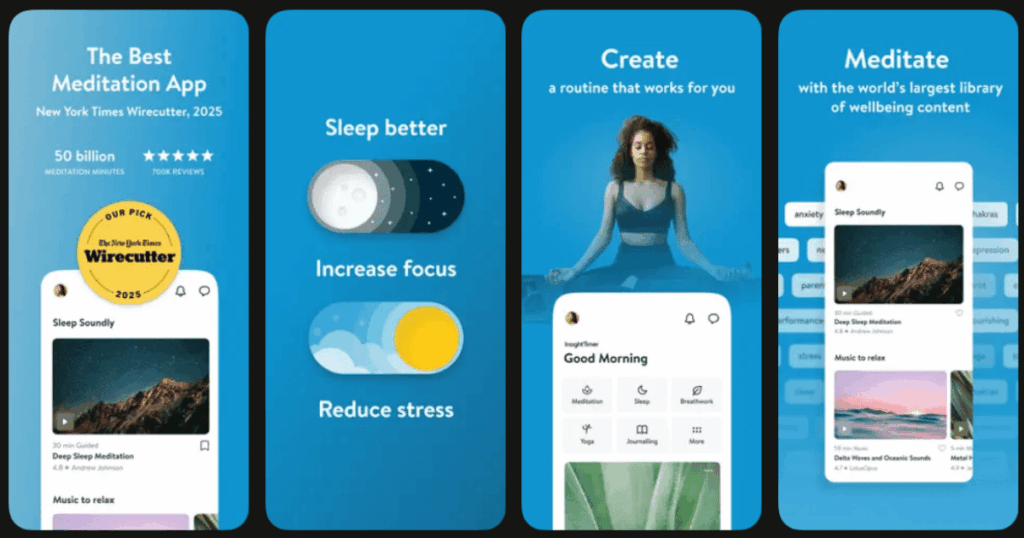
Insight Timer holds one of the biggest free guided meditation libraries out of any mindfulness app available. This is huge for anyone managing healthcare costs alongside chronic illness.
A pilot study found that rehab patients using Insight Timer for daily 10 minute meditations reported lower average pain scores compared to control patients. The research supports what users already know. This app works.
Meditation has been shown to improve chronic health conditions, including high blood pressure, digestive conditions, and immune system functions.
Key Features:
- Thousands of guided meditations across multiple styles including Buddhist mindfulness and yoga
- Daily mood tracker, friend connections, and progress tracking
- Customizable timer with a range of soothing ambient sounds
What I like: This app is 100% free with no subscriptions or paid add-ons for basic features. The community aspect makes you feel less alone. It offers guided meditation from famous faces including Russell Brand and Gisele Bündchen. The variety means you can always find something that fits your mood.
What I don’t like: Organization and ease of finding challenges and multi-day courses could be improved. With so much content, it can feel overwhelming. It’s not always clear what is free versus premium until you try to start the content.
Pricing: Free with over 120,000 meditations. Optional premium subscription for additional features.
Platforms: iOS and Android
#6. BetterSleep – Best for Sleep Improvement
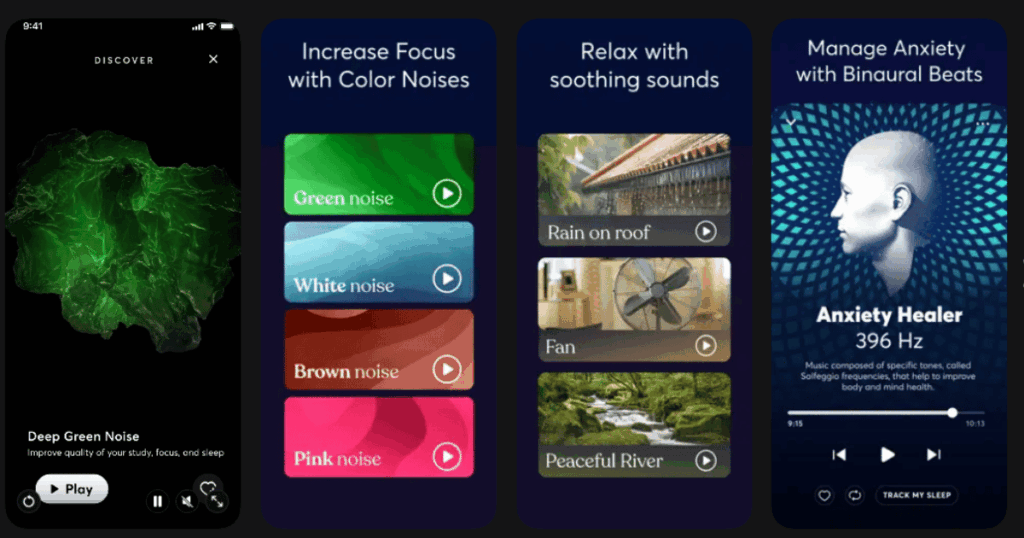
BetterSleep is recommended for anyone struggling with insomnia, anxiety, or chronic pain. The app focuses specifically on helping you get quality rest. This is crucial when chronic illness keeps you up at night.
BetterSleep offers more than 300 sleep sounds and music tracks including nature sounds, white noise, binaural beats, and healing music. You can also access more than 250 meditations and hypnosis sessions for stress and anxiety relief and tinnitus relief.
91% of listeners say they slept better after using the app for just one week.
Key Features:
- Sound mixing feature to create your perfect sleep soundscape with layered sounds
- Sleep recorder that tracks your sleep and lets you know what’s disrupting it
- Breathing techniques combined with soothing sounds for anxiety reduction
What I like: The sound mixing feature is particularly impressive. I love creating custom soundscapes. The SleepTales feature has stories in different genres including fantasy, mystery, and non fiction. The personalization options help you find exactly what works for your sleep needs.
What I don’t like: There are only about 10 sounds available in the free version now. Many sounds that used to be free are now behind a paywall. This has frustrated longtime users.
Pricing: Limited free access. Premium subscription with various plan options available.
Platforms: iOS and Android
#7. Happier Meditation – Best for Personalized Mindfulness

The app provides guided meditations and mindfulness exercises categorized by topic, addressing issues such as anxiety, depression, addiction, and chronic pain. This topic specific approach helps you find exactly what you need.
The goal is not only to promote meditation but to teach you how to create and maintain a meditation practice. For chronic illness patients, building sustainable habits matters more than quick fixes.
The app offers monthly check-ins to adjust and personalize your practice, ensuring it remains effective and enjoyable.
Key Features:
- 500+ guided meditations covering topics like anxiety, focus, sleep, and more
- Meditation courses with introduction videos and topic specific exercises
- Sleep meditations and podcasts featuring conversations with experts
What I like: Using the app daily alongside yoga and healthy eating made a world of difference. The chest tightness and muscular tension decreased significantly. The variety of expert teachers keeps things interesting. The no pressure approach to imperfection feels refreshing.
What I don’t like: There are no soundscapes or ambient music to add to meditations. The sleep section is smaller than other apps. There’s also no content for kids or teens.
Pricing: Free 7 day trial. Annual subscription required for full access.
Platforms: iOS and Android
#8. Waking Up – Best for Deep Mindfulness Practice

Waking Up helps you go beyond simple relaxation techniques and experience the freedom of real mindfulness without any New Age fluff. This app takes a more intellectual approach to meditation.
Created by neuroscientist Sam Harris, the app is based on Harris’ book of the same name and aims to help each user make fundamental discoveries in the laboratory of their own mind.
The app features a transformative 28 day introductory program for both beginners and experienced meditators.
Key Features:
- Multiple meditation techniques including mindfulness, loving kindness, body scans, and yoga nidra
- Daily meditations, short reflections, and theory sessions explaining the science of meditation
- Content on Stoicism, ethics, psychology, and happiness from various expert teachers
What I like: Every meditation in the introductory course is paired with a lesson that helps you understand what meditation is actually about. The philosophical depth sets this apart. The 10 minute daily meditations are short enough for anyone to commit to.
What I don’t like: Harris moves at a pace that would seem incongruent with someone completely new to meditation. Some concepts feel advanced for beginners. The lack of soundscapes may disappoint those who want ambient noise.
Pricing: Free trial available with scholarship program for those who can’t afford subscription.
Platforms: iOS and Android
#9. Healthy Minds – Best for Budget-Friendly Basics
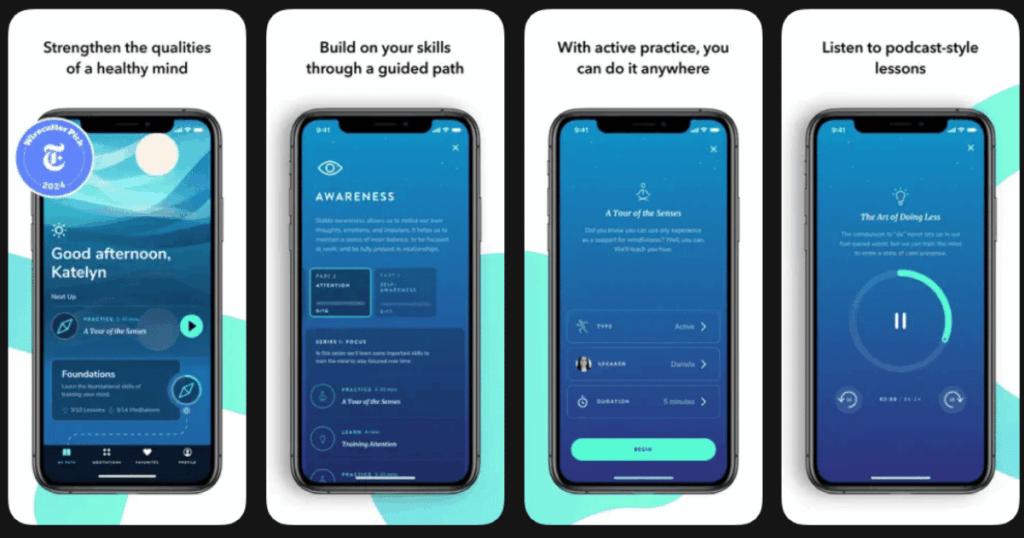
Healthy Minds is completely free with a wide variety of content. For those managing medical bills alongside chronic illness, this is incredibly valuable.
Each series alternates between Practice (meditations) and Learning (podcast style lessons). This model can benefit new meditators who need structure to stay consistent.
Key Features:
- Micro meditations that are 1 to 2 minutes long for quick practice
- Ability to set meditations to active mode to complete while doing chores
- Structured courses with educational components explaining the why behind meditation
What I like: The ability to set meditations to active mode and complete them while doing chores around the house is wonderful. The educational approach helps you understand what you’re doing. Being completely free removes financial barriers to wellness.
What I don’t like: The content library is smaller than paid apps. There are fewer specialized features for chronic illness specifically. You may eventually outgrow the basics and want more depth.
Pricing: Completely free.
Platforms: iOS and Android
Can Meditation Apps Really Help Manage Chronic Pain?
Yes, research supports using meditation apps for chronic pain management. Studies investigating the effects of mindfulness on pain have shown promising results, with significant reductions in present moment pain experiences in those suffering from chronic pain.
A recent meta-analysis reviewed studies on app-based interventions for chronic pain and found small but significant improvements in pain intensity. Meditation doesn’t make pain disappear. But it changes how you relate to it.
Patients using mindfulness apps reported improvements in social functioning and reductions in pain catastrophizing, specifically the helplessness aspect. This means meditation helps you stay engaged with life despite your pain.
How Often Should I Use a Meditation App If I Have Chronic Illness?
Consistency matters more than duration. Starting with just 5 to 10 minutes daily can make a real difference. 10 minutes a day is sufficiently short for anyone to commit to, so there is no excuse not to at least try the practice.
One study found that rehab patients instructed to use an app for daily 10 minute meditations reported better outcomes than those who didn’t. The key is making it a regular habit.
As you build your practice, you can increase the time. Many apps offer sessions ranging from 3 minutes to over an hour. Find what works for your energy levels and stick with it.
Are Free Meditation Apps Effective for Chronic Illness Management?
Absolutely. Insight Timer offers one of the biggest free guided meditation libraries available, with enough content to keep users engaged for months. Quality doesn’t always require a price tag.
Healthy Minds is free with actually good content and enough variety to last well into a budding meditation regimen. These apps provide solid foundations for anyone.
However, if you need specialized features like chronic pain programs or advanced sound therapy, paid apps may offer more targeted support. Consider starting free and upgrading only if you need specific features.