9 Best OCD Apps For Your Phone
| App Name | Best For | Key Features | AC Rating | Pricing |
|---|---|---|---|---|
| Life7 | All-in-one mental wellness | CBT tools, calming sounds, breathing exercises | 4.8/5 | Free trial, then subscription |
| NOCD | Specialized OCD therapy | ERP therapy, licensed therapists, community support | 4.7/5 | Free basic, paid therapy |
| OCD.app | CBT-based OCD management | Daily exercises, mood tracking, personalized content | 4.3/5 | Free basic, premium subscription |
| Insight Timer | Free meditation library | 200k+ free meditations, live events, community features, time | 4.6/5 | Free, optional premium subscription |
| Headspace | OCD-related meditation | Guided meditations, CBT exercises, sleep content | 4.6/5 | Free trial, then subscription |
| Calm | Sleep and relaxation | Sleep stories, breathing exercises, soothing sounds | 4.7/5 | Free trial, then subscription |
| Luma | Worry management | CBT techniques, gratitude journal, thought reframing | 4.4/5 | Free basic, premium subscription |
| Woebot | AI-powered support | CBT chatbot, mood tracking, daily check-ins | 4.5/5 | Free with access code |
| OCD Challenge | Self-guided exposure therapy | ERP exercises, progress tracking, educational content | 4.2/5 | Free |
#1. Life7 – Best for All-in-One Mental Wellness
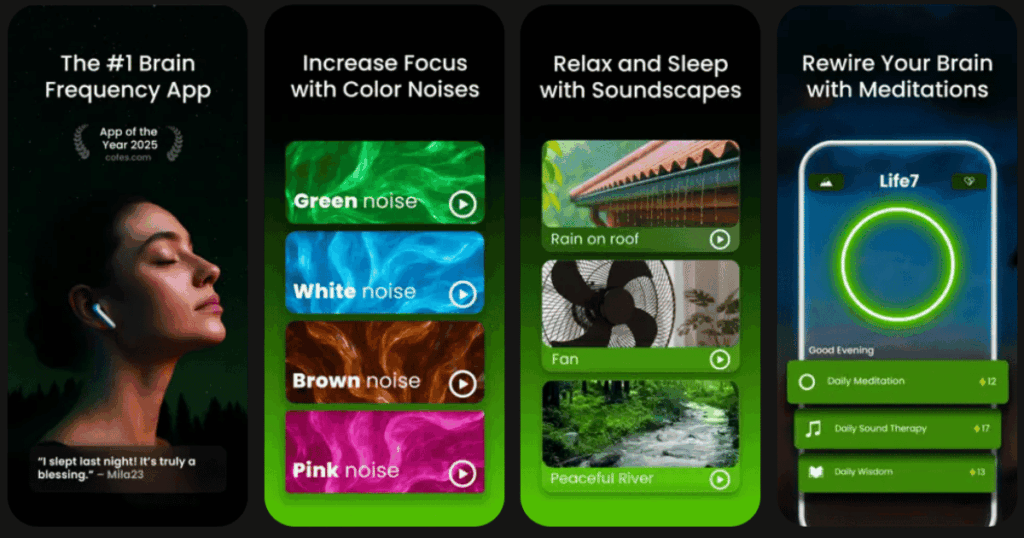
Life7 is my top pick for managing OCD symptoms. This app gives you everything you need in one place. It combines calming sounds, guided meditations, breathing exercises, and CBT tools.
What makes Life7 special is how it helps calm your nervous system. The app has SOS sessions for panic attacks and anxiety spikes. You can use binaural beats, solfeggio frequencies, and nature sounds to quiet intrusive thoughts.
The app also includes sleep stories for both adults and kids. You get daily meditation sessions and mood tracking. It even has hypnotherapy and vagus nerve stimulation content.
Key Features:
- CBT tools and SOS panic attack sessions for instant relief
- Multiple sound therapies including white noise, brown noise, and binaural beats
- Daily meditation, breathing exercises, and mood tracking dashboard
What I like: Life7 really stands out because it covers so many bases. The variety of sounds and frequencies helps me find what works on different days. I love that there are short sessions for busy moments and longer ones for deep relaxation. The gamified approach with XP and streaks keeps me motivated to practice daily.
What I don’t like: The free content is somewhat limited. You really need the premium version to get the full experience. But they do offer frequent special deals and a 7 day free trial to test it out.
Pricing: 7 day free trial available. Monthly, weekly, and yearly plans offered with frequent promotional discounts.
Platforms: iOS and Android
#2. NOCD – Best for Specialized OCD Therapy
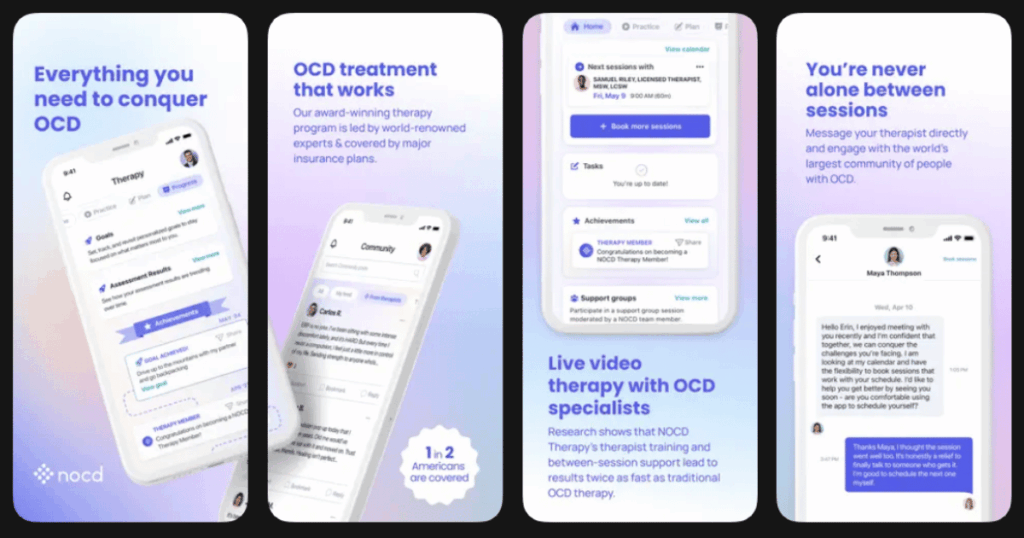
NOCD is built specifically for people with OCD. It was created by people who actually have OCD. The app connects you with therapists trained in ERP therapy, which is the gold standard treatment for OCD.
Research from Columbia University shows NOCD therapy can reduce OCD severity by about 40% in 8 weeks. You get live video sessions with licensed OCD specialists right from your phone.
The free version still gives you access to articles, community forums, and tools to log your obsessions and compulsions.
Key Features:
- Live video therapy with ERP-trained specialists
- 24/7 support between sessions with messaging and community features
- Tools to track obsessions, compulsions, and triggers
What I like: NOCD takes OCD seriously. The therapists actually understand what you are going through because they specialize only in OCD. The community feature helps you feel less alone. Being able to message your therapist between sessions is really helpful when intrusive thoughts hit hard.
What I don’t like: The therapy sessions can get pricey if your insurance does not cover it. The free version is helpful but limited compared to the full therapy experience.
Pricing: Free basic app with community and resources. Paid therapy sessions, with insurance often accepted.
Platforms: iOS and Android
#3. OCD.app – Best for CBT-Based OCD Management

OCD.app uses cognitive behavioral therapy to help you change negative thinking patterns. The app breaks down CBT into simple daily exercises you can do in just 3 minutes.
It targets common OCD patterns like constant checking, fear of uncertainty, and perfectionism. The app personalizes content based on your specific struggles.
Over 500 levels of exercises help you gradually build healthier thought habits.
Key Features:
- Daily 3 minute CBT exercises tailored to your needs
- Mood tracking to spot patterns in your thinking
- Personalized content based on your OCD triggers
What I like: The short daily exercises make it easy to stick with. I appreciate how it targets specific OCD thinking patterns rather than just general anxiety. The gamified level system makes progress feel rewarding and keeps you coming back.
What I don’t like: Some users report spelling errors in the app which feels unprofessional. The premium subscription feels a bit overpriced for the amount of content you get.
Pricing: Free basic version available. Premium subscription for advanced content.
Platforms: iOS and Android
#4. Insight Timer – Best for Free Meditation Library

Insight Timer offers what might be the biggest free library of guided meditations in the world. With over 200,000 free tracks from thousands of teachers, you will never run out of options. The app started as a simple timer but has grown into a full meditation platform.
The community aspect is strong here too. You can see how many people around the world are meditating at the same time as you. Live events let you join meditations and talks in real time with teachers from around the globe.
Key Features:
- Over 200,000 free guided meditations covering every topic imaginable
- Customizable meditation timer with bells, ambient sounds, and presets
- Live events and courses led by teachers from around the world
What I like: The amount of free content is incredible. I can always find something that matches my mood. The ability to see others meditating worldwide creates a sense of connection. The timer customization is perfect for people who prefer silent meditation.
What I don’t like: With so much content, it can be overwhelming to find what you need. Some features like rewinding meditations require the paid subscription. The social features can feel distracting if you just want to meditate quietly.
Pricing: Free with extensive content. Premium subscription for additional features.
Platforms: iOS and Android
#5. Headspace – Best for OCD-Related Meditation
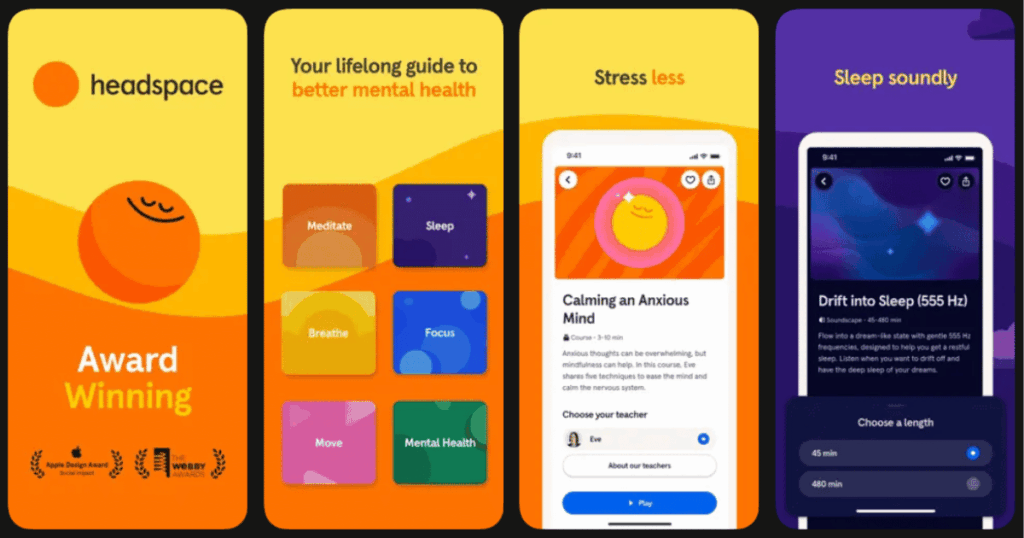
Headspace teaches meditation in a way that is perfect for beginners. The app has over 500 guided meditations covering anxiety, stress, and sleep.
Research shows Headspace can reduce anxiety in just 2 weeks. The structured approach builds your skills step by step.
It now includes CBT exercises and even offers affordable therapy through the app.
Key Features:
- Structured meditation courses that build on each session
- CBT techniques and breathing exercises for anxiety relief
- Sleep content including sleepcasts and relaxing sounds
What I like: Headspace makes meditation feel approachable and non intimidating. I like how Andy’s calming voice guides you through each session. The app helped me learn to detach from intrusive thoughts instead of fighting them.
What I don’t like: You need a subscription to access most content. The free trial is only 7 days which is not enough time to really test it properly.
Pricing: Free trial available. Monthly and annual subscription plans.
Platforms: iOS and Android
#6. Calm – Best for Sleep and Relaxation

Calm is the number one app for sleep and relaxation. It has over 500 sleep stories read by soothing voices, including celebrities.
The app includes breathing exercises, meditations for anxiety, and a Panic SOS feature. Nature sounds and relaxing music help quiet your mind.
Studies show long term meditation can shift your nervous system out of fight or flight mode.
Key Features:
- 500+ sleep stories for drifting off peacefully
- Panic SOS for moments of acute anxiety
- Meditation programs for stress, anxiety, and focus
What I like: The sleep stories are genuinely amazing. I fall asleep within minutes. The app is beautiful to use and the sound quality is excellent. The breathing exercises help me calm down quickly when OCD thoughts spiral.
What I don’t like: Most of the good content requires a premium subscription. The free content is hard to find and pretty limited. Some people find the celebrity narrators distracting.
Pricing: Free 7 day trial. Monthly and annual subscription options.
Platforms: iOS and Android
#7. Luma – Best for Worry Management
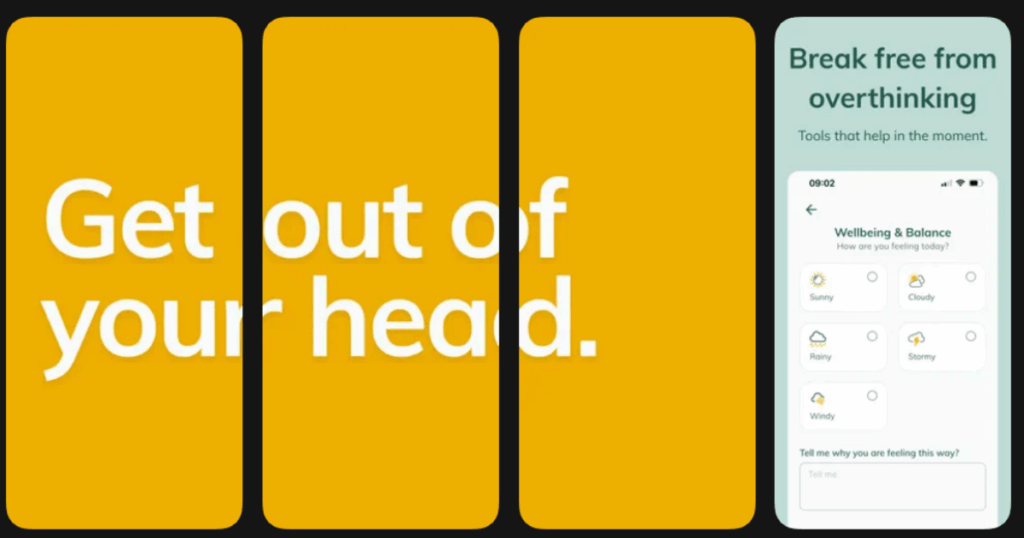
Luma, formerly called WorryTree, uses CBT techniques to help you manage anxious thoughts. The app guides you through identifying worries and creating action plans.
It was recommended by the NHS and featured in major publications. The simple interface makes it easy to journal your worries and track progress.
You can reframe negative thoughts and build healthier thinking habits over time.
Key Features:
- CBT based worry journaling and problem solving
- Thought reframing tools to challenge negative patterns
- Gratitude practice and uncertainty journal
What I like: This app feels like having a CBT therapist in your pocket. It walks you through each worry step by step instead of just telling you to relax. The process of writing down worries and creating plans really helps break the rumination cycle.
What I don’t like: You need a paid subscription to log worries, which is the main feature. The app recently rebranded which caused some confusion for existing users.
Pricing: Free sensory practices. Subscription for full access.
Platforms: iOS and Android
#8. Woebot – Best for AI-Powered Support
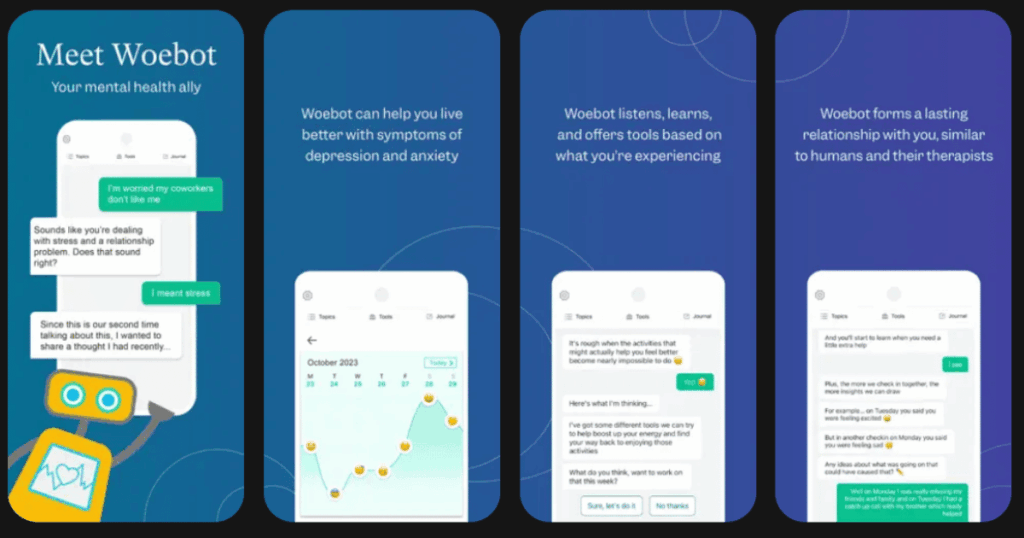
Woebot is an AI chatbot that delivers CBT techniques through friendly conversations. It checks in with you daily and teaches you to spot and challenge negative thinking.
Clinical research shows Woebot significantly reduces depression and anxiety symptoms. The chatbot is available 24/7 whenever you need support.
It uses CBT, mindfulness, and DBT principles in bite sized conversations.
Key Features:
- 24/7 AI chatbot for on demand mental health support
- CBT and DBT techniques delivered through conversation
- Mood tracking with helpful insights over time
What I like: Woebot feels surprisingly personal for an AI. Having something available at 3am when anxiety hits is invaluable. The conversational format makes learning CBT skills easier than reading a textbook. I actually catch myself using the techniques in real life now.
What I don’t like: You may need an access code from a provider to use the full version. The chatbot sometimes feels repetitive after extended use.
Pricing: Free with access code from a provider, employer, or partner.
Platforms: iOS and Android
#9. OCD Challenge – Best for Self-Guided Exposure Therapy
OCD Challenge offers a free self guided ERP program created by OCD experts. It walks you through exposure exercises designed to reduce anxiety about obsessions.
The app uses proven techniques to help you face fears gradually without doing compulsions. You can track your progress and adjust challenges as you improve.
It is a great option if you cannot access in person therapy.
Key Features:
- Self guided ERP exercises for various OCD themes
- Progress tracking with real time feedback
- Educational content about OCD and treatment
What I like: OCD Challenge makes ERP therapy accessible to people who cannot afford traditional treatment. The exercises are well designed and based on real therapeutic techniques. The customizable levels let you go at your own pace.
What I don’t like: Self guided ERP can be tough without professional support. Some users may need more guidance than the app provides. The interface feels a bit dated compared to other apps.
Pricing: Free
Platforms: Web based
Can Apps Really Help with OCD?
Yes, apps can definitely help manage OCD symptoms. Many apps use ERP and CBT techniques that are proven to work. Research shows apps like NOCD and Woebot can significantly reduce anxiety and OCD severity.
However, apps work best as a supplement to professional treatment. They are great for practicing skills between therapy sessions or getting support when a therapist is not available.
For mild to moderate OCD, apps might provide enough tools to manage on your own. But severe OCD usually needs professional treatment with a trained therapist.
The key is finding an app that uses evidence based methods like ERP or CBT. Avoid apps that just offer generic relaxation without targeting OCD specifically.
Are OCD Apps Better Than Therapy?
Apps and therapy serve different purposes. Nothing fully replaces working with a trained OCD therapist. Professional treatment lets you get personalized guidance and support for your specific situation.
That said, apps have some advantages. They are available 24/7, cost less than therapy, and let you practice skills at home. Apps like Life7 and Headspace can calm your nervous system when anxiety spikes.
The best approach combines both. Use apps to practice skills and manage day to day symptoms. See a therapist for deeper work and professional guidance. Apps like NOCD even let you do video therapy through the app for a blended approach.
Think of apps as a helpful tool in your OCD toolbox, not a complete replacement for professional care.
What Features Should I Look for in an OCD App?
Look for apps that use proven methods like ERP or CBT. These techniques have the most research behind them for treating OCD. Avoid apps that only offer generic meditation without targeting OCD specifically.
Good features to look for include compulsion tracking, exposure exercises, and mood journals. SOS features for panic moments are really helpful. Community support can make you feel less alone.
Check if the app was created with input from mental health professionals. Look for apps backed by research or recommended by organizations like the IOCDF.
Consider your specific needs too. Some people need sleep help, others need tools for intrusive thoughts. An all in one app like Life7 covers multiple bases, while specialized apps like NOCD focus on OCD treatment specifically.