9 Best PTSD Apps For Your Phone
| App Name | Best For | Key Features | AC Rating | Pricing |
|---|---|---|---|---|
| Life7 | Comprehensive mental wellness | CBT tools, binaural beats, SOS panic sessions | 4.8/5 | Free trial, then subscription |
| PTSD Coach | PTSD self-assessment and education | Symptom tracking, coping tools, crisis resources | 4.6/5 | Free |
| Calm | Relaxation and sleep | Sleep stories, guided meditation, breathing exercises | 4.5/5 | Free trial, then subscription |
| Headspace | Guided meditation for beginners | Daily meditations, stress courses, sleep support | 4.5/5 | Free trial, then subscription |
| Insight Timer | Free meditation options | 150,000+ free meditations, live sessions, sleep music | 4.4/5 | Free with premium options |
| Sanvello | CBT based anxiety management | Mood tracking, guided journeys, community support | 4.4/5 | Free with premium options |
| Woebot | AI powered CBT support | Daily check-ins, mood tracking, CBT techniques | 4.3/5 | Free with access code |
| PTSD Family Coach | Supporting loved ones with PTSD | Family education, relationship tools, self-care tips | 4.3/5 | Free |
| Mindfulness Coach | Mindfulness training | Gradual training program, goal setting, meditation library | 4.2/5 | Free |
#1. Life7 – Best for Comprehensive Mental Wellness
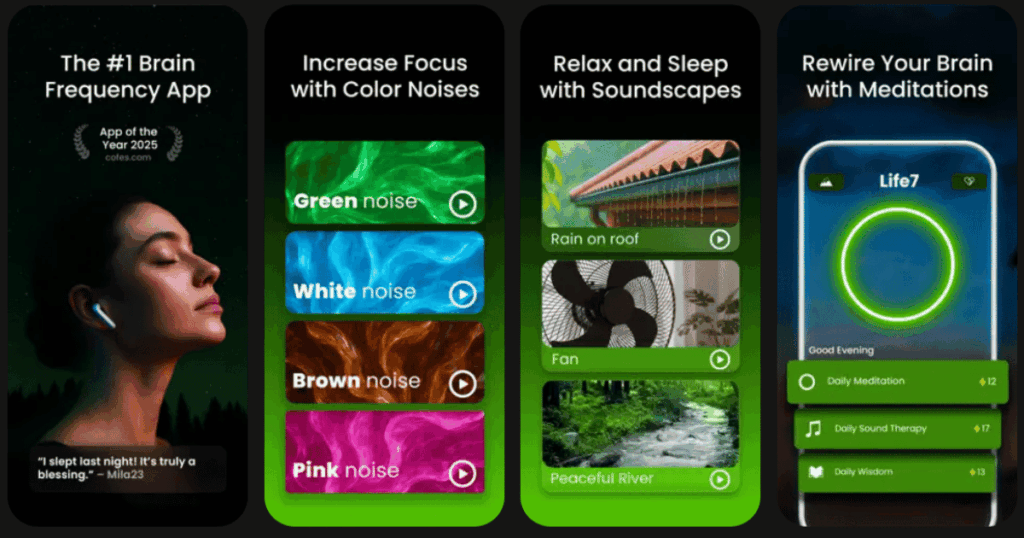
Life7 is my top pick for anyone dealing with PTSD or trauma related challenges. This all in one mental wellness app packs everything you need into a single platform. You get access to guided meditations, breathwork sessions, sleep stories, and even specialized PTSD self help tools.
What makes Life7 stand out is its science backed approach. The app uses binaural beats, solfeggio frequencies, and brainwave music to help calm your nervous system. It also includes cognitive behavioral therapy tools, hypnotherapy sessions, and vagus nerve stimulation exercises.
With over 312 million meditation minutes logged by users, Life7 has proven itself as a trusted mental health companion.
Key Features:
- SOS panic attack sessions for immediate anxiety relief and grounding
- CBT, hypnotherapy, and trauma therapy tools all in one app
- Binaural beats, white noise, and nature sounds for nervous system regulation
What I like: I really appreciate how Life7 combines so many different healing approaches in one place. The SOS sessions have been a game changer for moments when anxiety spikes. The variety is impressive, from transcendental meditation to 8D sleep audio. The daily check ins help you build a consistent practice, and the gamified XP system makes staying motivated fun.
What I don’t like: The free content is somewhat limited. You really need a subscription to unlock the full library and get the most out of the app. This might be frustrating if you want to try everything before committing.
Pricing: 7 day free trial available. Weekly, monthly, and yearly subscription plans offered. Frequent special offers are available.
Platforms: iOS and Android
#2. PTSD Coach – Best for PTSD Self-Assessment and Education
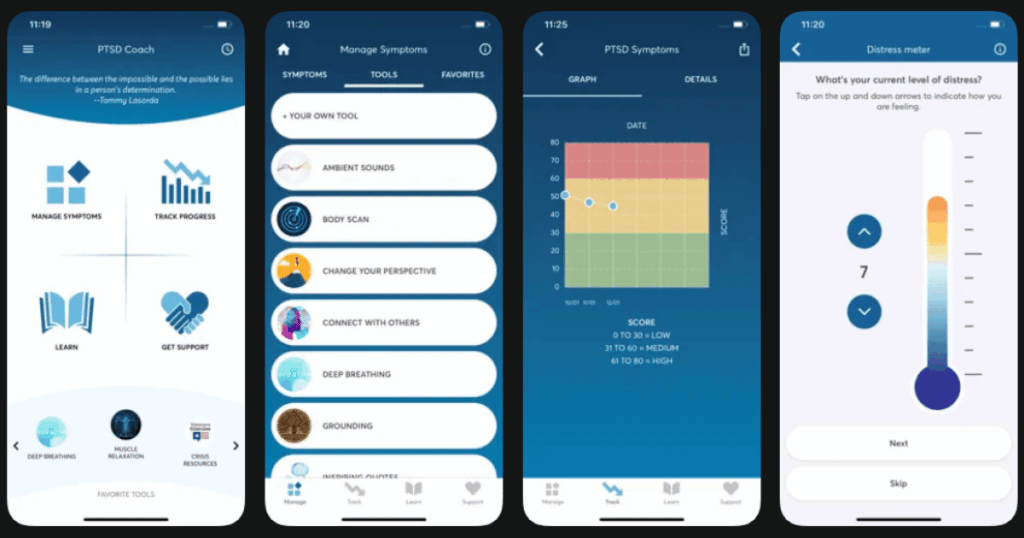
PTSD Coach was developed by the U.S. Department of Veterans Affairs and the Department of Defense. While it was originally made for veterans, this app helps anyone dealing with trauma. It provides reliable education about PTSD, self-assessment tools, and practical coping strategies.
The app includes a PTSD Checklist that helps you track your symptoms over time. This can be super helpful when talking to your doctor or therapist about how you are doing. The coping tools range from breathing exercises to progressive muscle relaxation.
Key Features:
- Monthly symptom assessments using the clinically validated PCL checklist
- Customizable coping tools with relaxation, grounding, and anger management techniques
- Direct links to crisis support resources and professional care
What I like: What stands out is how evidence based everything feels. The tools are rooted in real research, and the ability to customize the app with your own photos, music, and contacts makes it feel personal. The relaxation recordings are well done and genuinely calming.
What I don’t like: The interface feels a bit dated compared to newer apps. It is not the most visually appealing, but the content quality makes up for it. Some users have mentioned it is better for calming down after a panic attack rather than during one.
Pricing: Completely free
Platforms: iOS and Android
#3. Calm – Best for Relaxation and Sleep
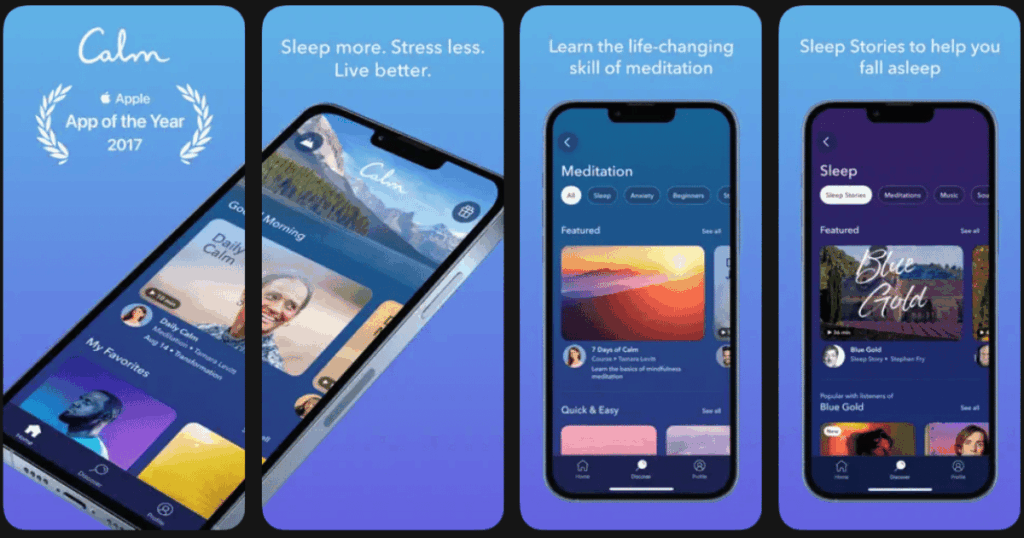
Calm has become one of the most popular mental health apps out there. For people with PTSD, the sleep troubles and anxiety that come with trauma can be exhausting. Calm offers a huge library of over 500 sleep stories, guided meditations, and breathing programs.
The app covers topics like anxiety, stress, gratitude, and self acceptance. Sessions range from three minutes to longer deep dive meditations. This flexibility makes it easy to fit into any schedule.
Key Features:
- Over 500 sleep stories narrated by soothing voices to help you drift off
- Panic SOS and breathing exercises for in the moment stress relief
- Daily calm sessions and masterclass content from wellness experts
What I like: The Sleep Stories are honestly amazing. Having a calming voice guide you to sleep helps quiet racing thoughts that often come with PTSD. The variety of meditation topics means you can always find something that fits your mood. The breathing exercises are quick and effective.
What I don’t like: You need a paid subscription to access most of the content. The free version is pretty limited, so you are really getting a taste before you have to pay. For some, the subscription price may feel steep.
Pricing: Free trial available. Monthly and yearly subscription options.
Platforms: iOS and Android
#4. Headspace – Best for Guided Meditation for Beginners
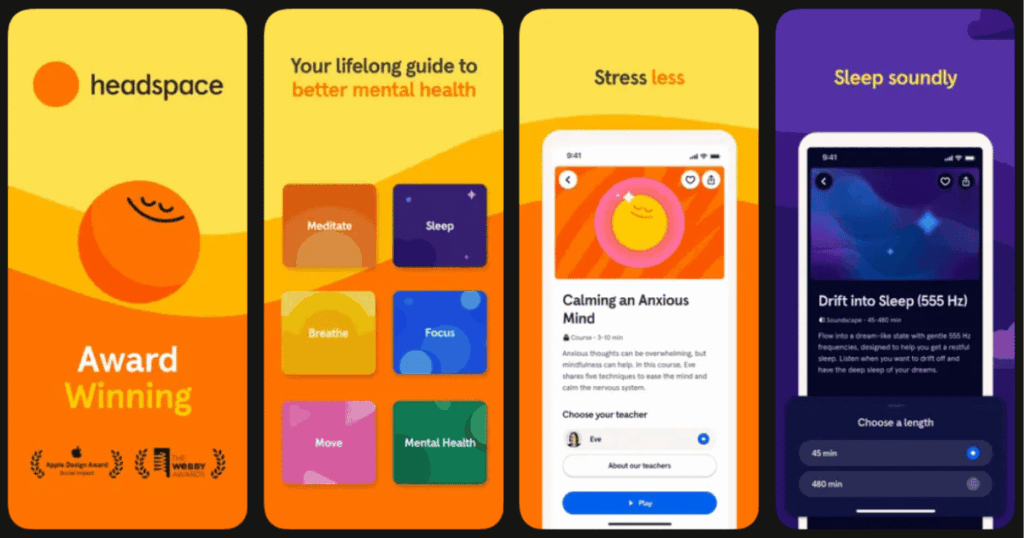
Headspace makes meditation approachable, especially if you are new to it. The app offers over 500 guided meditations designed to reduce stress, manage anxiety, and improve sleep. For people with PTSD, learning to manage an overactive mind is crucial.
The app teaches CBT techniques and mindfulness practices through friendly, animated lessons. Many users find the instructor Andy’s voice incredibly soothing. Headspace also offers specific courses for navigating anxiety and trauma.
Key Features:
- Beginner friendly courses like 7 Days of Calm and 21 Days of Calm
- CBT based exercises to help reframe negative thoughts
- Sleep support with meditations, music, and relaxing sounds
What I like: Headspace feels like having a patient meditation teacher in your pocket. The animations explaining how the mind works are really helpful. I also love how they have quick breathing exercises for moments when anxiety hits. It is easy to track your progress and build a streak.
What I don’t like: Like Calm, most content requires a subscription. Some users find the app a bit too polished or corporate feeling. The free trial is helpful but short.
Pricing: 14 day free trial. Monthly and annual subscription plans available.
Platforms: iOS and Android
#5. Insight Timer – Best for Free Meditation Options
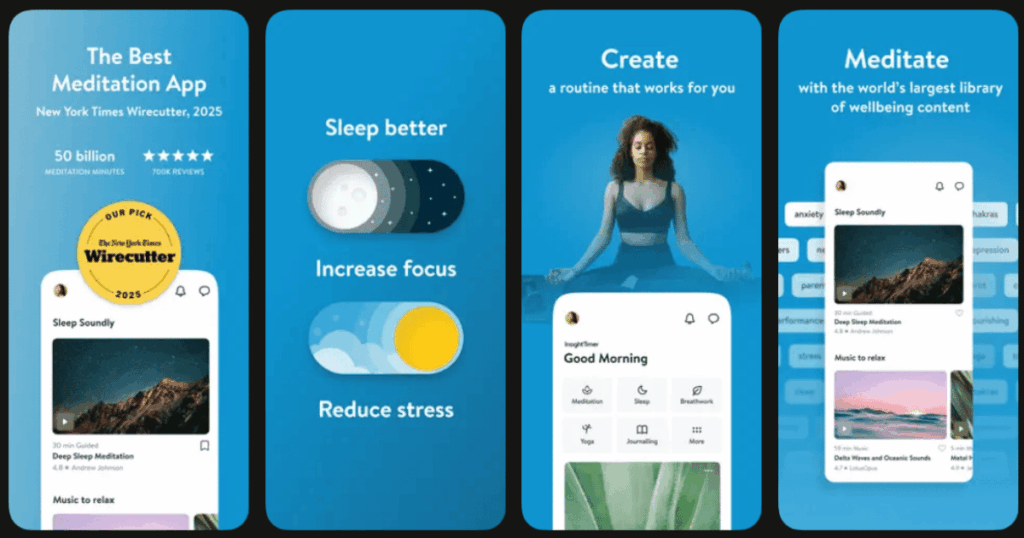
If cost is a concern, Insight Timer is your best bet. The app offers over 150,000 free guided meditations from thousands of teachers worldwide. You can find everything from secular mindfulness to spiritual practices.
For PTSD, the app has specific meditations for trauma, anxiety, grounding, and sleep. Live sessions allow you to meditate with others in real time, which can feel supportive. The community aspect helps you feel less alone.
Key Features:
- Over 150,000 free meditations on topics like trauma, anxiety, and healing
- Live meditation sessions with real time participation
- Sleep music, nature sounds, and ambient soundscapes
What I like: The sheer amount of free content is incredible. You never run out of new things to try. The ability to filter by topic, teacher, and length makes finding the right meditation easy. The community forums offer connection with others on similar journeys.
What I don’t like: With so much content, it can feel overwhelming to find what you need. Quality varies since anyone can upload meditations. Some premium features require a subscription.
Pricing: Free with optional premium subscription for extra features
Platforms: iOS and Android
#6. Sanvello – Best for CBT Based Anxiety Management
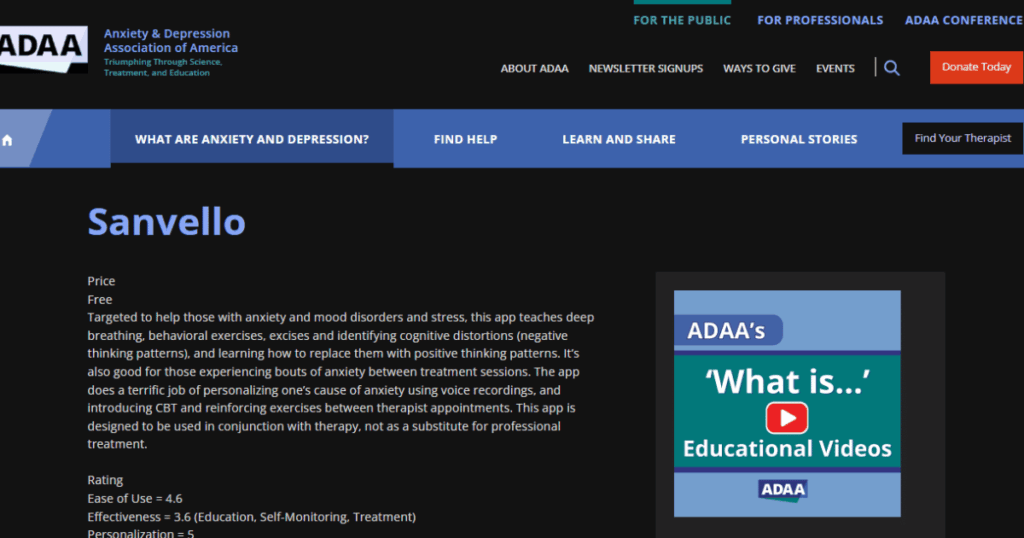
Sanvello is a clinically validated app that combines cognitive behavioral therapy, meditation, and mood tracking. For PTSD survivors dealing with anxiety and depression, these evidence based tools can make a real difference.
The app offers guided journeys that teach you CBT skills step by step. You learn to identify negative thought patterns and challenge them. The community feature connects you with others who understand what you are going through.
Key Features:
- CBT based guided journeys for anxiety, depression, and stress
- Mood tracking to identify patterns and triggers over time
- Peer community support forums for connection
What I like: Sanvello feels like having therapy tools at your fingertips. The mood tracker helps you see patterns you might miss otherwise. The guided journeys are structured and easy to follow. Some insurance plans cover premium access, which is a nice bonus.
What I don’t like: The free tier is limited, and full access requires a subscription. Some users feel the community aspect is not as active as they hoped. The app can feel clinical to some.
Pricing: Free version available. Premium subscription for full access. Some insurance plans may cover costs.
Platforms: iOS and Android
#7. Woebot – Best for AI Powered CBT Support
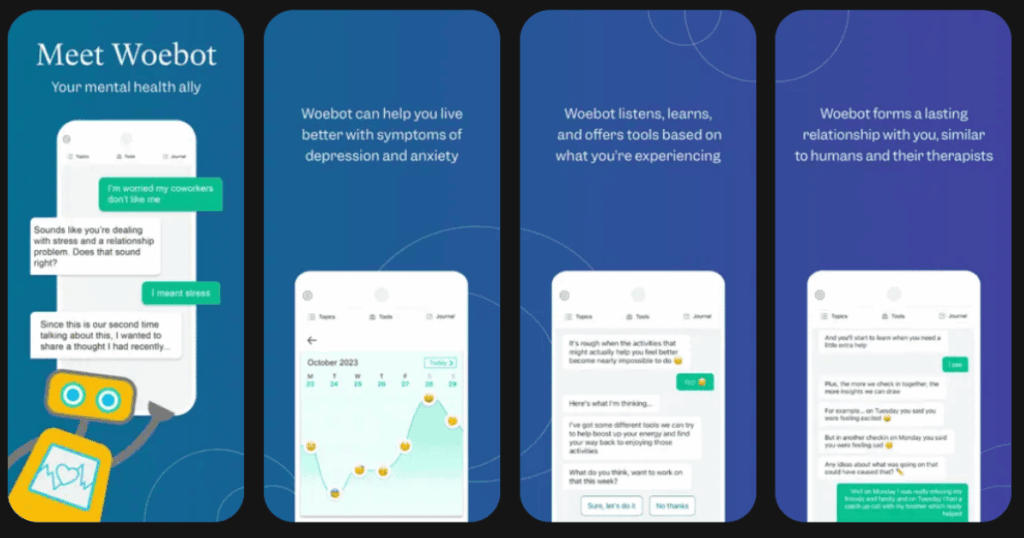
Woebot is a unique app that uses artificial intelligence to deliver cognitive behavioral therapy through chat. Created by clinical psychologists, the chatbot checks in with you daily and guides you through helpful exercises. Over 1.5 million people have used Woebot.
For people with PTSD, having 24/7 access to supportive guidance can fill gaps between therapy sessions. Woebot teaches you to reframe negative thoughts and build healthier coping habits.
Key Features:
- AI chatbot delivering CBT, DBT, and mindfulness techniques through conversation
- Daily check ins to track your mood and emotional patterns
- Gratitude journaling and progress reflection tools
What I like: Talking to Woebot feels surprisingly natural and supportive. Having someone to check in with every day helps build consistency. The privacy focus is reassuring since they never sell your data. It is great for learning CBT basics in a low pressure way.
What I don’t like: Access now requires a code from a provider, employer, or partner, so it is not freely available to everyone. Some users wish for more variety in responses. It cannot replace human connection.
Pricing: Free with access code from healthcare provider, employer, or partner
Platforms: iOS and Android
#8. PTSD Family Coach – Best for Supporting Loved Ones with PTSD
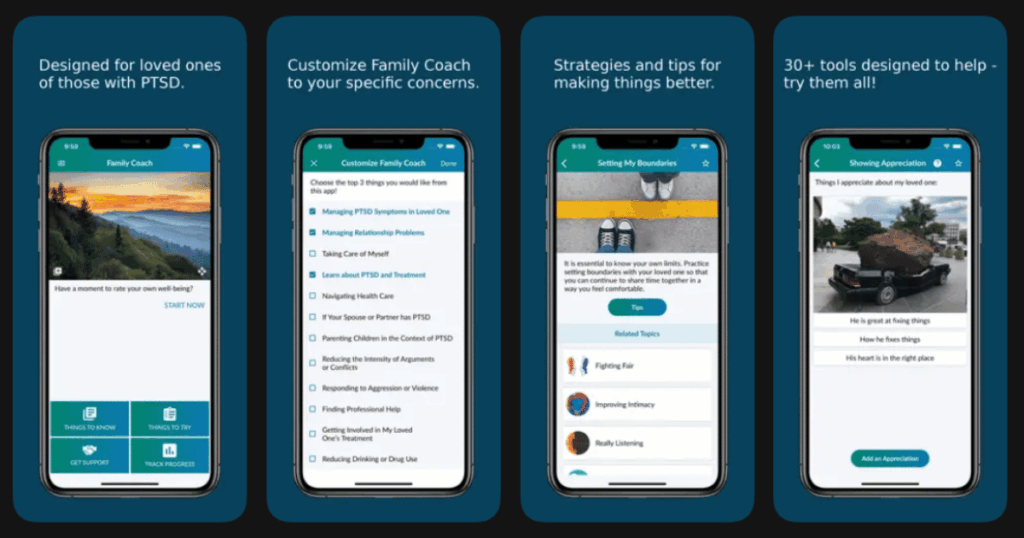
PTSD does not just affect the person with the diagnosis. Family members often struggle too. PTSD Family Coach was created by the VA to help loved ones understand and cope. The app offers education, relationship tools, and self care resources.
If you are supporting someone with PTSD, this app helps you take care of yourself while being there for them.
Key Features:
- Educational content explaining PTSD symptoms and behaviors
- Relationship tools for communicating with your loved one
- Self care strategies to prevent caregiver burnout
What I like: This app fills an important gap. It validates that supporting someone with PTSD is hard. The practical tips for communication really help. The focus on caregiver self care is essential and often overlooked.
What I don’t like: The app is specifically designed for family members, so it is not a fit for survivors themselves. Content can feel limited after you have been through it all. Updates have been infrequent.
Pricing: Completely free
Platforms: iOS and Android
#9. Mindfulness Coach – Best for Mindfulness Training
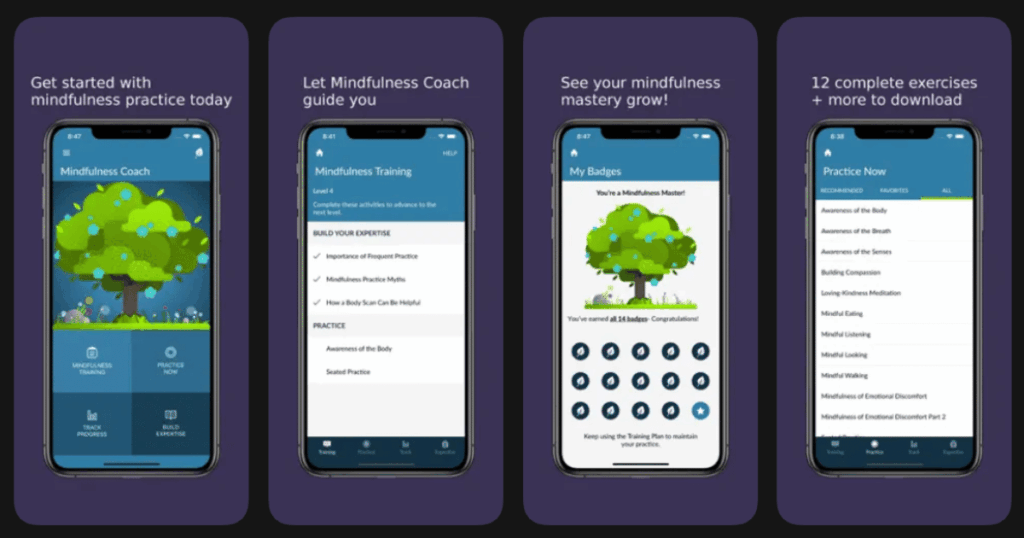
Mindfulness Coach was developed by the VA National Center for PTSD. The app provides a gradual, self-guided mindfulness training program. For those new to meditation, it offers a structured path to build your practice.
Grounding yourself in the present moment can help you cope with intrusive thoughts and flashbacks. The app teaches you these skills step by step.
Key Features:
- Gradual self paced mindfulness training program
- Goal setting and progress tracking tools
- Library of guided meditation sessions at various lengths
What I like: The structured approach is perfect for beginners. You learn mindfulness skills progressively rather than being thrown into the deep end. The fact that it is free and backed by the VA adds credibility.
What I don’t like: The app is basic compared to flashier options. Limited content variety means you may outgrow it. Interface design could be more modern.
Pricing: Completely free
Platforms: iOS and Android
Can Apps Really Help with PTSD?
Yes, apps can be a helpful part of managing PTSD symptoms. Research shows that apps like PTSD Coach have helped users better track and manage their symptoms. However, apps work best as a supplement to professional treatment, not a replacement.
If you have PTSD, working with a mental health professional is important. Apps can reinforce what you learn in therapy and provide support between sessions. They are especially useful for coping with anxiety, improving sleep, and building mindfulness skills.
Think of these apps as tools in your healing toolbox. They give you immediate access to techniques that can calm your nervous system and help you feel more in control.
Are Free PTSD Apps Worth Using?
Absolutely. Apps like PTSD Coach, PTSD Family Coach, and Mindfulness Coach are completely free and developed by the U.S. Department of Veterans Affairs. These apps are evidence based and have been clinically tested.
Free apps like Insight Timer also offer thousands of meditations at no cost. While paid apps often have more polished interfaces and extra features, the free options still provide genuine value.
Start with free apps to see what works for you. If you find yourself wanting more, you can always upgrade to a premium option later.
How Do I Choose the Right PTSD App for Me?
Think about what you need most right now. If you want education and symptom tracking, PTSD Coach is a great start. For sleep and relaxation, Calm or Life7 may be better fits. If you want structured CBT tools, try Sanvello or Woebot.
Consider whether you prefer guided meditations, chat based support, or self paced learning. Your comfort level with technology matters too. Some apps are simpler while others have more features.
My recommendation is to start with Life7 since it covers the most ground. Its combination of meditation, CBT, breathwork, and SOS sessions addresses the full range of PTSD symptoms in one place.