9 Best Meditation Apps For Intrusive Thoughts
| App Name | Best For | Key Features | AC Rating | Pricing |
|---|---|---|---|---|
| Life7 | Complete mental wellness toolkit | SOS anxiety sessions, CBT therapy, binaural beats | 4.8/5 | Free trial, subscription plans |
| Headspace | Beginners learning meditation basics | Guided courses, sleep content, focus music | 4.6/5 | Free tier, premium subscription |
| Calm | Sleep and relaxation | Sleep stories, breathing exercises, nature sounds | 4.5/5 | Free tier, premium subscription |
| Waking Up | Philosophical approach to mindfulness | Theory lessons, daily meditations, guest teachers | 4.4/5 | Subscription with scholarship option |
| Insight Timer | Free meditation library | Community features, live events, timer function | 4.3/5 | Free with optional premium |
| Ten Percent Happier | Skeptics new to meditation | Expert teachers, practical approach, courses | 4.3/5 | Free trial, subscription plans |
| Smiling Mind | Mindfulness for all ages | Age-specific programs, classroom content, free access | 4.2/5 | Completely free |
| Buddhify | Meditating on the go | Activity-based sessions, offline access, wheel interface | 4.1/5 | One-time purchase |
| Aura | Personalized Daily Meditations | AI-powered personalization, additional therapists support | 4.4/5 | Free tier, premium subscription |
#1. Life7 – Best for Complete Mental Wellness Toolkit
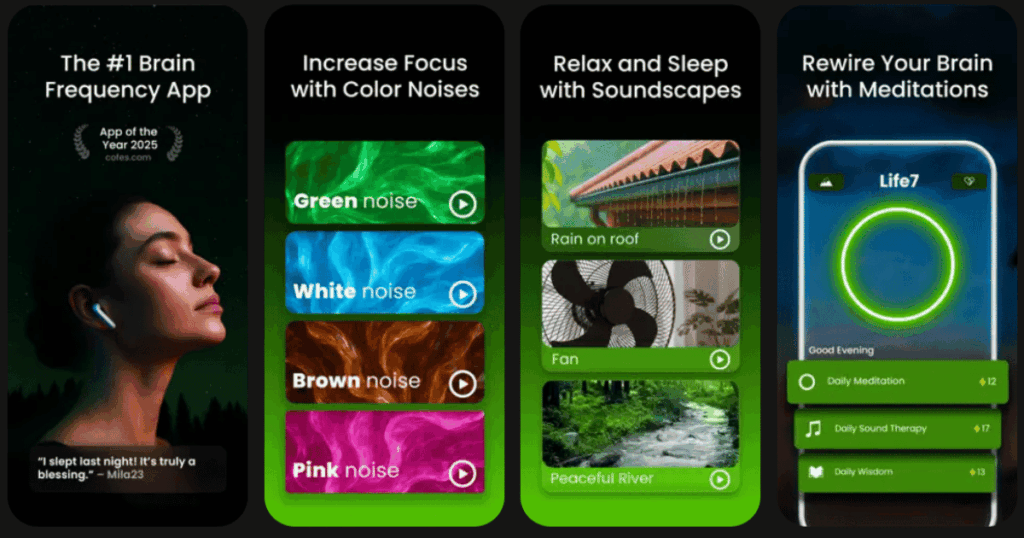
Life7 is my top pick for managing intrusive thoughts. This app goes way beyond basic meditation. It combines multiple science-backed techniques in one place.
You get cognitive behavioral therapy tools, hypnotherapy sessions, and vagus nerve stimulation exercises. These methods are proven to help with unwanted thoughts.
The app has earned over 1200 editorial mentions. Users have logged more than 312 million meditation minutes. That tells me people stick with it!
I love that Life7 offers SOS sessions specifically for anxiety and panic attacks. When intrusive thoughts hit hard, you need quick relief.
Key Features:
- SOS sessions designed to calm anxiety and stop panic attacks fast
- CBT and hypnotherapy tools for deep emotional healing
- Binaural beats and solfeggio frequencies to shift your mental state
What I like: The variety in Life7 is incredible. I can use breathing exercises when I need quick calm. Then switch to hypnotherapy for deeper work. The daily sessions keep me consistent. I really appreciate the mood tracker too. It helps me spot patterns in my thoughts. The gamified approach with XP and streaks makes meditation feel less like a chore. Plus the nervous system reset feature is perfect after stressful days.
What I don’t like: The free version is pretty limited. You really need a subscription to access the best features. I wish there was more content available without paying first.
Pricing: 7-day free trial available. They offer weekly, monthly, and yearly subscription plans. Watch for special offers that pop up frequently.
Platforms: iOS and Android
#2. Headspace – Best for Beginners Learning Meditation Basics
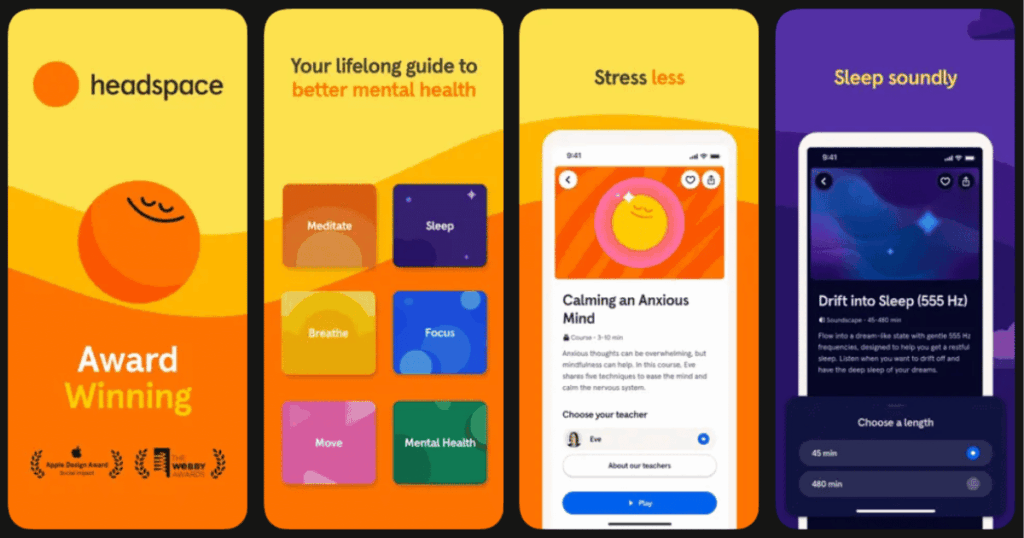
Headspace makes meditation simple and friendly. The app uses fun animations to teach you the basics. This is perfect if you have never meditated before.
Their courses build your skills step by step. You start with short sessions. Then work up to longer practices over time.
The app has specific content for managing anxious thoughts. These guided sessions teach you to observe thoughts without getting caught up in them.
Headspace also offers focus music and sleep content. So you get help throughout your whole day.
Key Features:
- Structured courses that teach meditation fundamentals progressively
- Specific anxiety and stress management programs
- Sleep sounds and bedtime content for better rest
What I like: The teaching style is so approachable. Andy Puddicombe’s voice is calming without being boring. I appreciate how they explain the science behind meditation. The animations make complex ideas easy to grasp. The app tracks your progress nicely. It feels rewarding to complete courses and see how far you have come.
What I don’t like: The subscription cost is on the higher side. Some sessions feel a bit repetitive after a while. I wish they updated content more frequently.
Pricing: Limited free content available. Premium subscription required for full access. Student and family plans offered.
Platforms: iOS and Android
#3. Calm – Best for Sleep and Relaxation
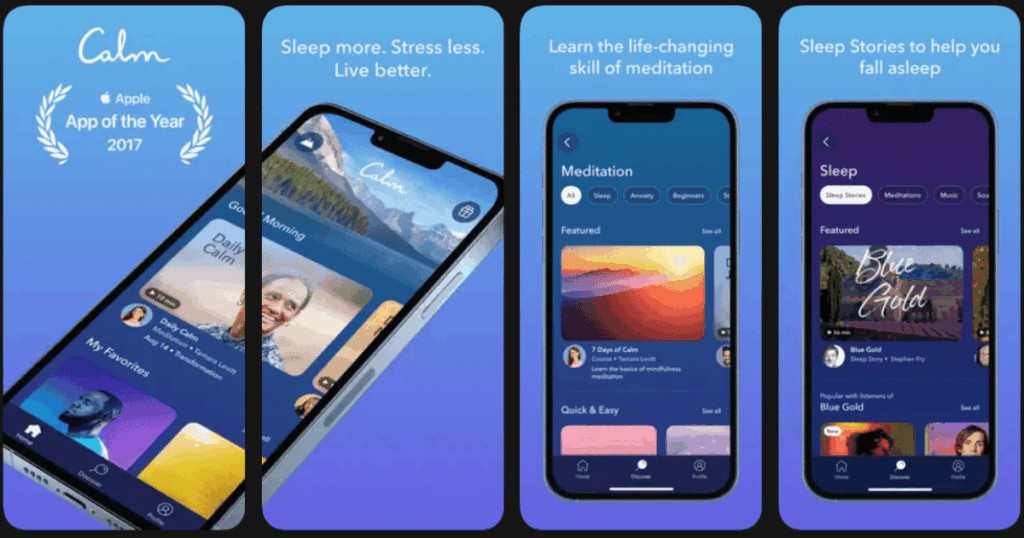
Calm is famous for its sleep stories. Celebrities like Matthew McConaughey read bedtime tales. These stories quiet your mind before bed.
The app excels at creating peaceful moments. Nature scenes and soothing sounds set the mood instantly.
For intrusive thoughts, Calm offers specific meditation programs. The anxiety series teaches grounding techniques. Daily calm sessions give you a consistent practice.
The breathing exercises are simple but effective. They help break the cycle of racing thoughts quickly.
Key Features:
- Celebrity-narrated sleep stories that distract from anxious thoughts
- Beautiful nature scenes with calming soundscapes
- Daily calm sessions that change each day
What I like: The production quality is top notch. Every sound and visual feels premium. Sleep stories have been a game changer for my nighttime anxiety. Instead of lying awake with racing thoughts, I focus on the story. The masterclass content from experts adds real value. I also love how the app looks. The interface is beautiful and calming.
What I don’t like: It feels more focused on relaxation than deep mental health work. The meditation instruction is less detailed than some competitors. Premium pricing is steep.
Pricing: Some free content available. Annual subscription is the main option. Lifetime purchase sometimes offered.
Platforms: iOS and Android
#4. Waking Up – Best for Philosophical Approach to Mindfulness

Sam Harris created Waking Up for people who want depth. This app digs into why meditation works. Not just how to do it.
The theory lessons explain consciousness and the nature of thoughts. Understanding intrusive thoughts helps you deal with them better.
Sessions teach you that thoughts are just appearances in consciousness. You learn to see them without believing them.
Guest teachers bring different perspectives. You get exposed to various meditation traditions and scientific viewpoints.
Key Features:
- Deep theory content explaining the nature of mind and thoughts
- Daily meditations that build on each other
- Guest teachers from various contemplative traditions
What I like: This app changed how I understand my own mind. Sam Harris explains things clearly without being preachy. The insight that I am not my thoughts was revolutionary. The conversations with experts are fascinating. I learn something new each week. The practice feels meaningful rather than just relaxing.
What I don’t like: The intellectual approach might overwhelm some beginners. Sessions can feel intense rather than soothing. Not ideal if you just want to relax quickly.
Pricing: Subscription required. Free scholarships available for anyone who asks. No questions asked policy for financial hardship.
Platforms: iOS and Android
#5. Insight Timer – Best for Free Meditation Library
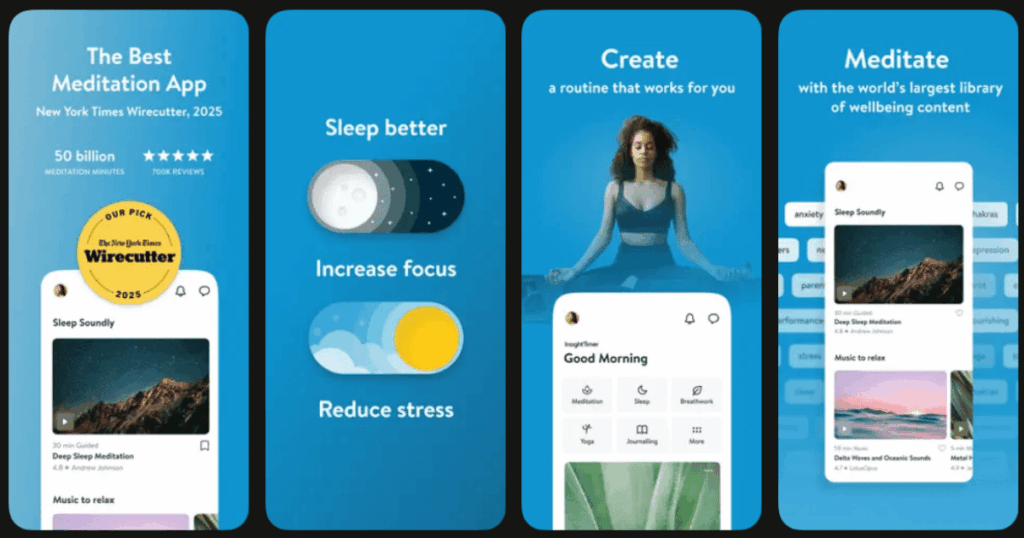
Insight Timer offers the largest free meditation library anywhere. Thousands of teachers share content here. You can find exactly what you need.
Search for meditations specifically about intrusive thoughts. Many teachers address this topic directly. Different voices and styles let you find what clicks.
The community aspect is unique. You see others meditating around the world. This creates a sense of connection.
Live events happen daily. You can join group meditations in real time.
Key Features:
- Massive library with over 100,000 free guided meditations
- Live events and group meditation sessions
- Customizable meditation timer with ambient sounds
What I like: The amount of free content is amazing. I have found teachers I love without spending anything. The timer feature is perfect for unguided practice. I enjoy seeing how many people are meditating worldwide. The discussion groups help me feel less alone. Filtering by topic makes finding relevant content easy.
What I don’t like: Quality varies a lot between teachers. Some recordings have poor audio. The interface can feel cluttered and overwhelming. Finding the best content takes time.
Pricing: Most content is completely free. Optional premium membership unlocks courses and features.
Platforms: iOS and Android
#6. Ten Percent Happier – Best for Skeptics New to Meditation
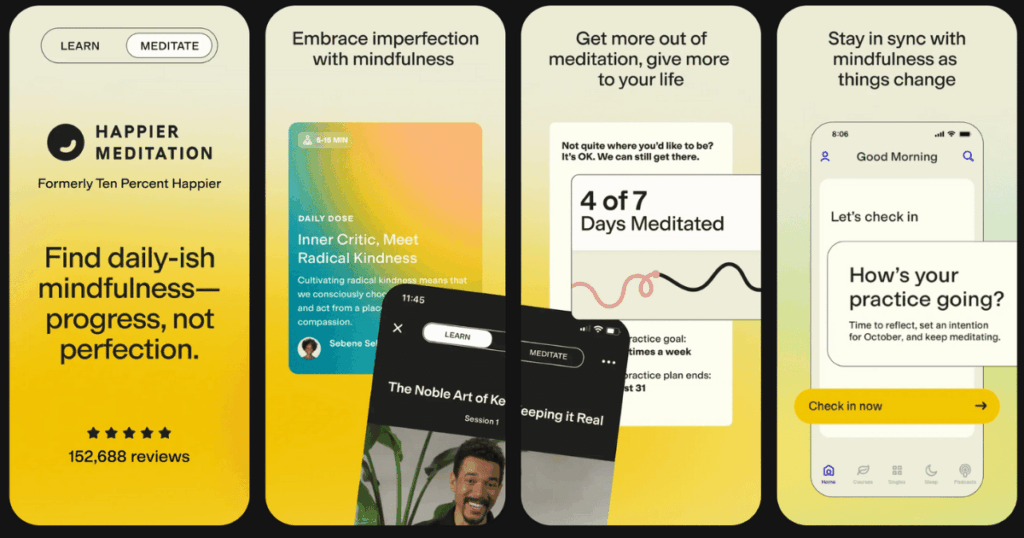
Dan Harris created this app after having a panic attack on live TV. He was skeptical about meditation at first. Now he shares what actually works.
The app takes a practical, no-nonsense approach. No mystical language or vague promises. Just real techniques that help.
Teachers include some of the most respected names in meditation. Joseph Goldstein and Sharon Salzbury guide you through courses.
The content addresses real life challenges directly. Anxiety, stress, and difficult emotions get specific attention.
Key Features:
- Courses taught by world-renowned meditation teachers
- Practical approach without spiritual jargon
- Coaching feature to ask questions and get guidance
What I like: The honest tone resonates with me. Dan admits meditation is hard sometimes. That makes me feel normal when I struggle. The teacher quality is exceptional. I trust the instruction because these are true experts. The coaching feature is unique and helpful. Getting personalized advice keeps me on track.
What I don’t like: The app feels less polished than competitors. Content library is smaller than some alternatives. Subscription cost is significant for what you get.
Pricing: Free trial period available. Subscription required for full access. Various plan lengths offered.
Platforms: iOS and Android
#7. Smiling Mind – Best for Mindfulness for All Ages
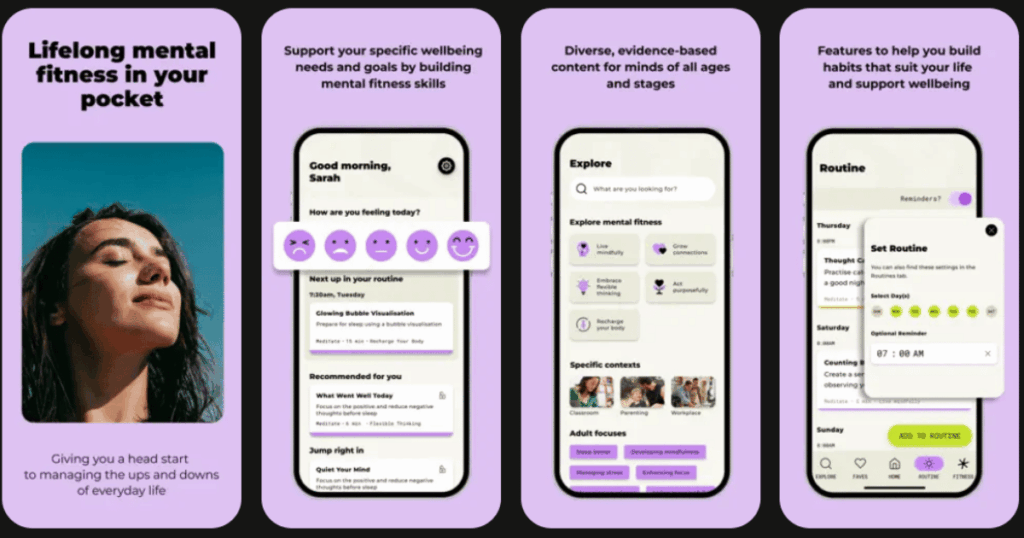
Smiling Mind comes from Australia. It was created by psychologists and educators. The app is designed for mental fitness.
Programs are organized by age group. Kids, teens, and adults all have appropriate content. This makes it great for families.
The app addresses specific challenges like stress and difficult emotions. Content is based on evidence-based techniques.
Best of all, Smiling Mind is completely free. A nonprofit organization runs it. Their mission is making mindfulness accessible to everyone.
Key Features:
- Age-appropriate programs from children through adults
- Evidence-based content created by psychologists
- Completely free with no premium tier
What I like: The fact that it is free is incredible. No ads, no upsells, just helpful content. The Australian accents are a nice change. Programs feel well structured and educational. I appreciate that a nonprofit built this for the public good. The classroom programs mean kids can learn mindfulness at school.
What I don’t like: The content library is smaller than paid competitors. Production quality is simpler. Updates come less frequently than I would like.
Pricing: Completely free. Donations accepted but not required.
Platforms: iOS and Android
#8. Buddhify – Best for Meditating on the Go
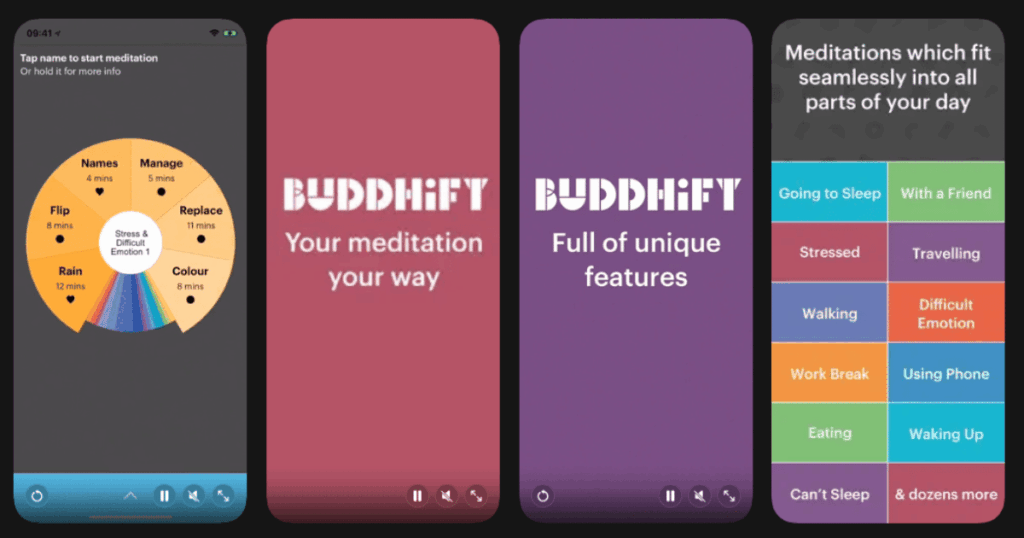
Buddhify is designed for busy people. The app organizes meditations by what you are doing. Commuting, taking a break, or going to sleep.
The colorful wheel interface is unique. Spin it to find the right meditation for your moment. Sessions are short and practical.
Content addresses work stress, difficult emotions, and more. You can find help for intrusive thoughts in several categories.
One purchase gives you access. No subscription required. This makes it great value long term.
Key Features:
- Meditations organized by activity and situation
- Colorful wheel interface for easy navigation
- One-time purchase with no ongoing subscription
What I like: The activity-based approach fits real life perfectly. I can meditate during my lunch break with relevant content. The wheel design is fun and different. I appreciate owning the app outright without monthly fees. Sessions are the right length for busy days. The offline access means I can practice anywhere.
What I don’t like: The library feels limited compared to subscription apps. No new content without buying updates. The unique interface takes some getting used to.
Pricing: One-time purchase price. No subscription needed. Occasional updates may cost extra.
Platforms: iOS and Android
#9. Aura – Best for Personalized Daily Meditations
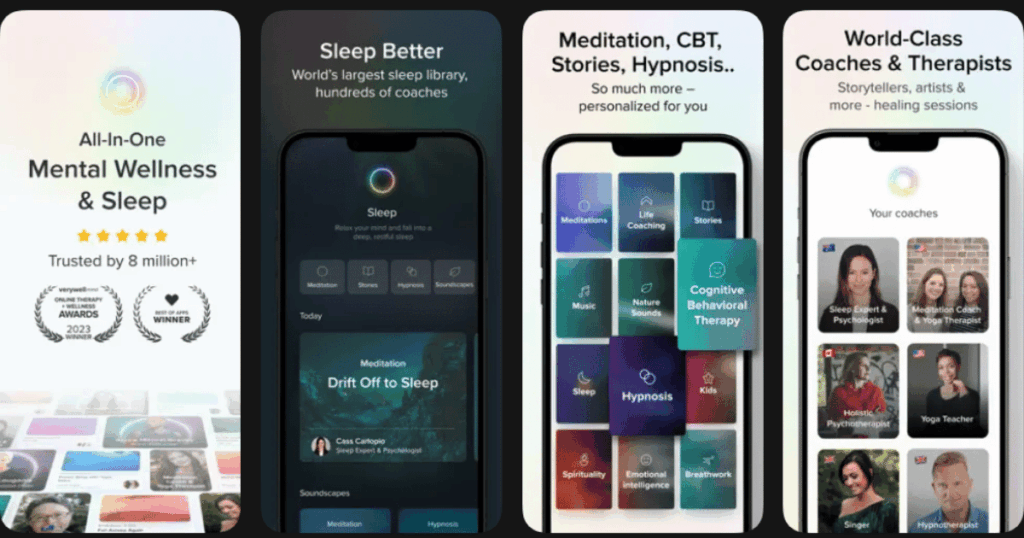
Aura creates a unique meditation experience for each user. The app learns your preferences over time. It suggests content that matches your needs perfectly.
Sessions are typically short. Three to ten minutes fits easily into any schedule. This makes consistency much easier to maintain.
Aura updates daily with fresh content. You never run out of new meditations to try. The variety keeps your practice interesting.
Key Features:
- AI-powered personalization that learns your preferences
- Short 3-10 minute sessions perfect for busy schedules
- Access to life coaches and therapists for additional support
What I like: The personalization really works. After a few days, Aura knows exactly what I need. The short sessions remove all excuses for skipping practice. I appreciate the variety of teachers and styles. The mood tracking helps me see patterns. Having access to real coaches adds tremendous value. The daily fresh content keeps things interesting.
What I don’t like: The free version is very limited. You really need premium to get the full experience. Some personalized recommendations miss the mark occasionally.
Pricing: Limited free version available. Premium subscription required for full features. Trial period offered for new users.
Platforms: iOS and Android
Do Meditation Apps Really Help With Intrusive Thoughts?
Yes, meditation apps can genuinely help manage intrusive thoughts. Research shows that mindfulness meditation changes how we relate to thoughts. You learn to observe thoughts without getting caught up in them.
Apps provide structure and guidance that make meditation easier. When intrusive thoughts feel overwhelming, having a voice guide you helps a lot.
The key is consistency. Using an app daily builds the mental skills you need. Over time, intrusive thoughts lose their power over you.
Apps with CBT tools like Life7 offer additional help. Cognitive behavioral therapy techniques are proven effective for unwanted thoughts.
However, apps work best alongside professional help for serious issues. If intrusive thoughts significantly impact your life, please talk to a therapist too.
How Long Does It Take to See Results From Meditation?
Most people notice some benefits within two to four weeks of daily practice. Even short sessions of five to ten minutes help. The key is showing up consistently.
Early benefits include feeling calmer and more aware. You start catching intrusive thoughts earlier. This alone reduces their impact.
Deeper changes take longer. After two to three months, many people report significant shifts. Thoughts that once dominated become background noise.
Research suggests eight weeks of regular practice creates measurable brain changes. Areas related to stress and emotional regulation actually transform.
Be patient with yourself. Some days will feel harder than others. Progress is not always linear. Trust the process and keep practicing.
Can I Use Multiple Meditation Apps Together?
Absolutely! Many people use different apps for different purposes. This approach can actually work really well.
You might use Life7 for its SOS anxiety features and CBT tools. Then use Insight Timer for its huge free library. Calm could be your bedtime companion.
The danger is spreading yourself too thin. Jumping between apps without consistent practice helps less. Pick one primary app and stick with it.
I recommend choosing one main app for daily practice. Use others as supplements for specific needs. This gives you variety while maintaining consistency.
Watch your spending if using multiple paid apps. Subscriptions add up fast. Consider which features you actually use before paying for everything.