9 Best Mental Health Apps For Immigrants
| App Name | Best For | Key Features | AC Rating | Pricing |
|---|---|---|---|---|
| Life7 | All-in-one mental wellness | Binaural beats, sleep stories, CBT tools, breathing exercises | 4.8/5 | Free trial, then subscription plans |
| Headspace | Beginners learning meditation | Guided meditations, sleep tools, mindful movement | 4.6/5 | Monthly and yearly subscriptions |
| Calm | Sleep and relaxation | Sleep stories, meditation, breathing exercises | 4.5/5 | Free version, premium subscription |
| 7 Cups | Free anonymous emotional support | Trained listeners, community forums, 140+ languages | 4.2/5 | Free basic, paid therapy option |
| Woebot | AI-powered CBT therapy | AI chatbot, mood tracking, cognitive exercises | 4.4/5 | Free to use |
| BetterHelp | Professional online therapy | Licensed therapists, video/phone/chat sessions | 4.3/5 | Weekly subscription rates |
| Moodfit | Mood tracking and CBT tools | Mood journal, breathing exercises, assessments | 4.5/5 | Free basic, premium upgrade |
| Happify | Building positive habits | Games, activities, positive psychology tracks | 4.1/5 | Free version, monthly subscription |
| Therawin | Immigrant-specific support | Culturally aware resources, therapy sessions | 4.0/5 | Free to use |
#1. Life7 – Best for All-in-One Mental Wellness
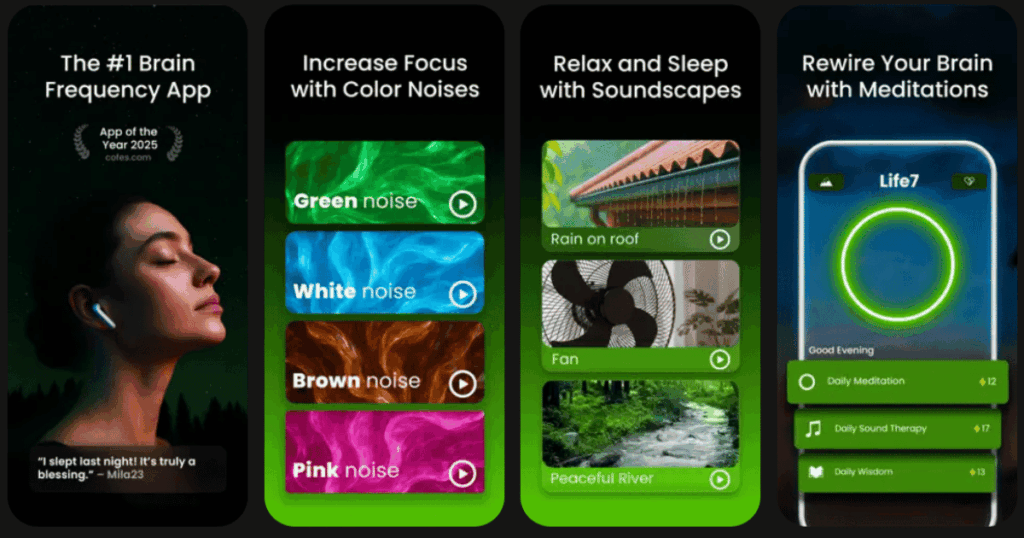
Life7 stands out as the top choice for immigrants seeking complete mental health support. This app brings together everything you need in one place. It has over 312 million meditation minutes logged by users worldwide.
The app offers an amazing mix of science-backed sounds and therapies. You can find binaural beats, solfeggio frequencies, and brainwave music. These help with sleep, focus, and stress relief. New daily sessions keep your practice fresh every single day.
Key Features:
- CBT tools, hypnotherapy, and vagus nerve stimulation for deep emotional healing
- Sleep stories, 8D audio, and REM sleep music for better rest
- Breathing exercises and SOS sessions to calm anxiety and panic attacks
What I like: I really appreciate how Life7 covers so many mental health needs. The gamified approach makes meditation fun. You earn XP and unlock new content as you practice. The daily check-ins help you stay consistent. Plus, the mood tracker lets you see your progress over time. The variety of sounds from green noise to brown noise helps everyone find what works for them.
What I don’t like: The free content is somewhat limited compared to the premium version. You need to subscribe to access the full library of features and content.
Pricing: 7-day free trial available. Weekly, monthly, and yearly plans offered with frequent special promotions.
Platforms: iOS and Android
#2. Headspace – Best for Beginners Learning Meditation
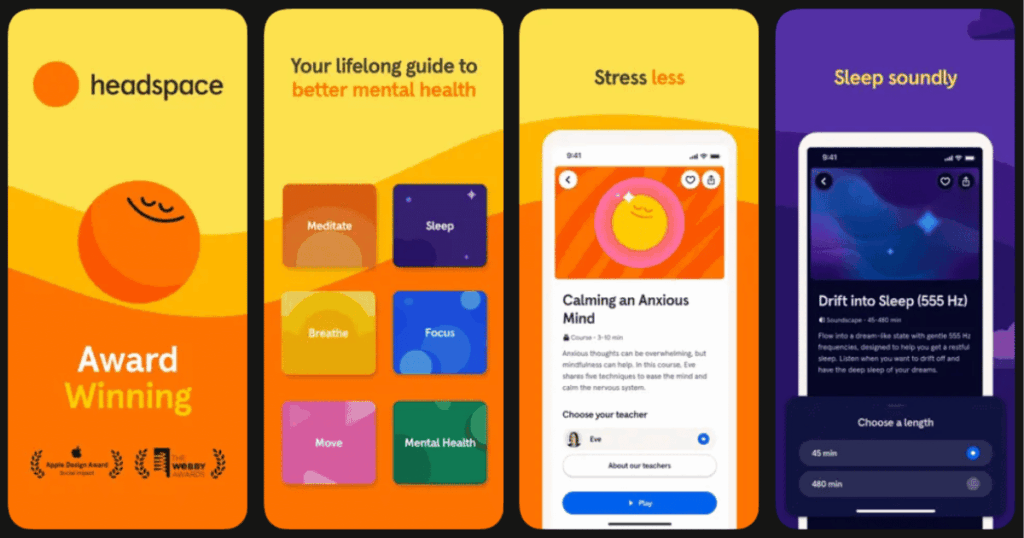
Headspace makes meditation simple and fun for newcomers. The app uses bright colors and cute animations to guide you. It started in 2010 and has helped millions learn mindfulness from scratch.
The app breaks down meditation into easy courses. You start with the basics and build from there. This step-by-step approach works great if you’ve never meditated before.
Key Features:
- Over 500 guided meditations for stress, sleep, and focus
- Sleepcasts and wind-down exercises for better rest
- Mindful movement and workout sessions
What I like: The beginner-friendly design really shines here. The short sessions fit easily into busy immigrant schedules. I love how the voice guidance keeps you focused even when your mind wanders. The sleep content has helped many users fall asleep faster. The daily meditation feature helps build a lasting habit.
What I don’t like: All content sits behind a paywall after the free trial. There’s no free version with useful features. The price can feel steep for some budgets.
Pricing: Monthly and annual subscription plans available. Student discounts offered.
Platforms: iOS and Android
#3. Calm – Best for Sleep and Relaxation
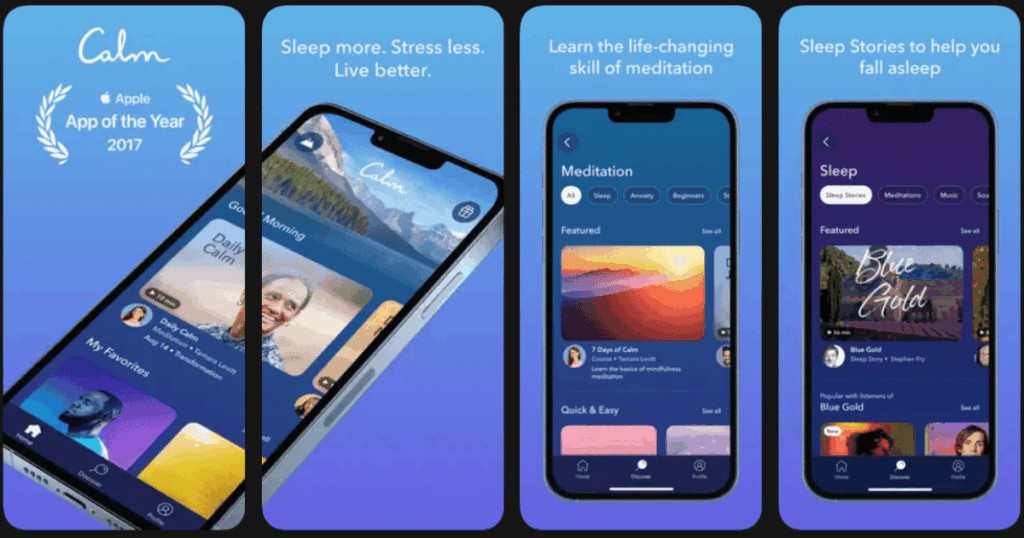
Calm has become famous for its sleep stories read by celebrities. The app focuses heavily on helping users rest better. It’s a great choice if sleep problems affect your mental health.
The library includes over 500 sleep stories and countless soundscapes. From Harry Styles to Stephen Fry, the voices soothe you to sleep. The app also offers solid meditation programs.
Key Features:
- Celebrity-narrated sleep stories that help you drift off
- Daily calm sessions and breathing exercises
- Nature sounds and relaxing music library
What I like: The sleep stories are truly special. They feel like bedtime stories for adults. The 60-second Breathe Bubble provides instant calm during stressful moments. I appreciate how the app lets you adjust background sounds during meditation. The content quality is consistently high.
What I don’t like: The app can feel overwhelming with so many options. There’s no search function to find specific content easily. The yearly subscription price sits on the higher end.
Pricing: Limited free content. Annual subscription required for full access.
Platforms: iOS and Android
#4. 7 Cups – Best for Free Anonymous Emotional Support
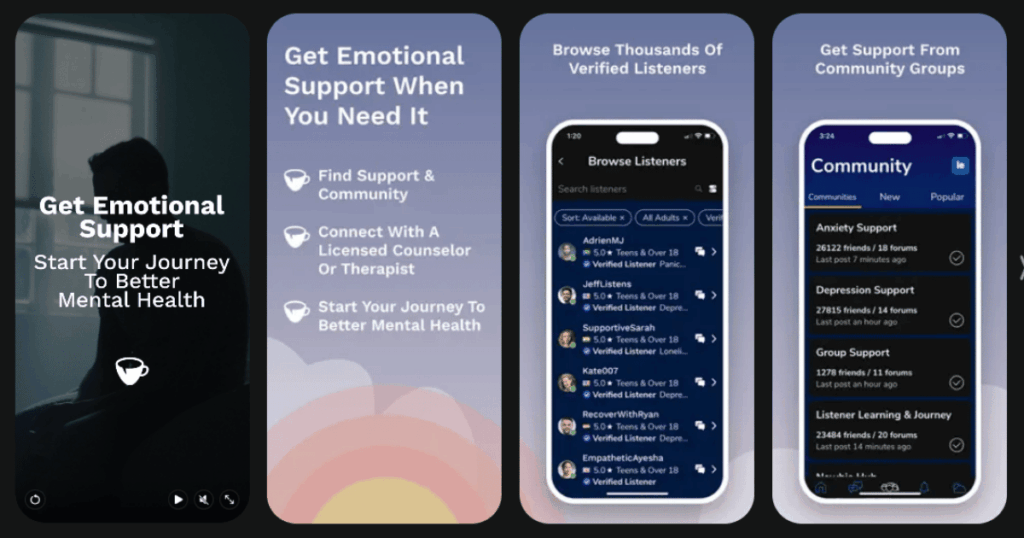
7 Cups offers something unique and valuable. You can talk to trained listeners for free at any time. This helps immigrants who may not afford therapy or feel comfortable speaking their native language.
The app connects you with volunteer listeners from around the world. They speak over 140 languages and come from different cultures. This makes it easier to find someone who understands your background.
Key Features:
- 24/7 free chat with trained volunteer listeners
- Community support forums and group chat rooms
- Optional paid therapy with licensed professionals
What I like: The anonymous nature removes the stigma many immigrants feel about mental health. I love that listeners volunteer because they genuinely want to help. The community aspect creates a sense of belonging. You can chat in many languages, which helps non-English speakers greatly.
What I don’t like: Listener quality varies since they are volunteers. Some users report inconsistent experiences. The app has faced recent criticism about its therapist directory accuracy.
Pricing: Free for listener support. Paid subscription for professional therapy.
Platforms: iOS and Android
#5. Woebot – Best for AI-Powered CBT Therapy

Woebot uses artificial intelligence to deliver cognitive behavioral therapy. The friendly chatbot checks in with you daily. It teaches you skills to manage negative thoughts and feelings.
The app has gone through 18 clinical trials to prove it works. Users report feeling better after just two weeks of daily use. The bot responds with empathy and never judges you.
Key Features:
- AI chatbot using CBT, DBT, and mindfulness techniques
- Daily mood tracking with visual progress charts
- Personalized coping tools based on your input
What I like: Woebot feels like texting a supportive friend who knows psychology. The app is available 24/7 whenever anxiety strikes. I appreciate how it teaches real therapy techniques in bite-sized pieces. The mood tracking shows patterns over time. It works great alongside professional therapy.
What I don’t like: The AI responses can sometimes feel repetitive. You cannot type freely as responses follow a structured format. It cannot replace human connection for serious mental health needs.
Pricing: Free to use for individual users.
Platforms: iOS and Android
#6. BetterHelp – Best for Professional Online Therapy

BetterHelp connects you with licensed therapists from anywhere. This matters greatly for immigrants in remote areas or those with busy schedules. The platform has over 30,000 therapists available.
You can communicate through video, phone, text, or live chat. Sessions happen on your time, wherever you feel comfortable. Many therapists understand diverse cultural backgrounds.
Key Features:
- Access to licensed therapists via multiple communication methods
- Flexible scheduling that works across time zones
- Unlimited messaging between sessions
What I like: The convenience factor is huge for working immigrants. I love that you can message your therapist anytime thoughts arise. The matching system tries to pair you with the right fit. Switching therapists is easy if needed. The platform works internationally in about 200 countries.
What I don’t like: The service doesn’t accept insurance, so you pay out of pocket. There have been past privacy concerns about data handling. You cannot choose your own therapist initially.
Pricing: Weekly rates billed monthly. Financial aid available for some users.
Platforms: iOS and Android
#7. Moodfit – Best for Mood Tracking and CBT Tools

Moodfit helps you understand what affects your emotions. The app tracks your mood alongside factors like sleep, exercise, and nutrition. It shows you patterns you might miss otherwise.
The app includes many tools based on cognitive behavioral therapy. You can journal, practice breathing, and complete assessments. It’s like a mental health fitness center in your pocket.
Key Features:
- Comprehensive mood journal with pattern analysis
- CBT thought records and breathing exercises
- PHQ-9 and GAD-7 assessments for tracking depression and anxiety
What I like: I really value how Moodfit connects lifestyle factors to mood changes. The nervous system tool helps you understand your body’s stress response. Customization options let you track what matters to you. The gratitude journal feature trains your brain to notice positives. It works well for people who like data.
What I don’t like: Some advanced features require a paid upgrade. The app can feel buggy at times and may freeze. The interface takes some time to learn.
Pricing: Free version with limited features. Premium subscription unlocks all tools.
Platforms: iOS and Android
#8. Happify – Best for Building Positive Habits

Happify uses games and activities to boost your happiness. The app is based on positive psychology and CBT research. It’s a more playful approach to mental wellness.
Users follow “tracks” designed by mental health experts. Each track helps with specific goals like reducing stress or building confidence. About 86% of regular users report feeling better within two months.
Key Features:
- Science-based games and interactive activities
- Learning tracks created by psychology experts
- AI coach named Anna who guides your journey
What I like: The gamified approach makes mental health work feel less heavy. I enjoy how tracks break big goals into small, achievable steps. The community feature connects you with others on similar journeys. Educational content in Happify Daily teaches new coping skills. It feels more like play than work.
What I don’t like: The connection between games and mental health improvement isn’t always clear. Many features hide behind a paywall. The app may feel too casual for serious mental health needs.
Pricing: Free version available. Premium plans start around $12 per month.
Platforms: iOS and Android
#9. Therawin – Best for Immigrant-Specific Support
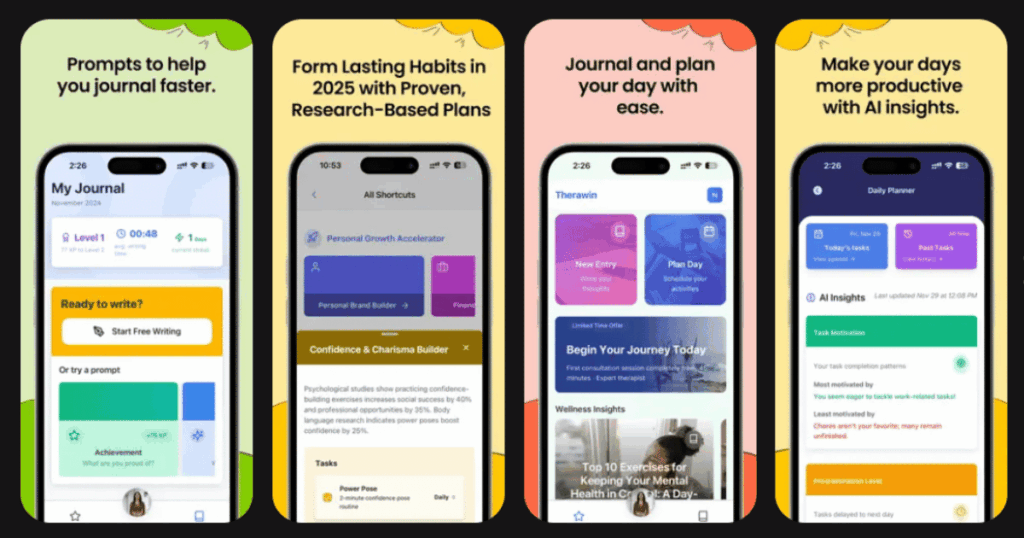
Therawin was built specifically for immigrants, by immigrants. This makes it unique among mental health apps. The developers understand the exact challenges this community faces.
The app combines clinical resources with self-care tools. You can access real therapy sessions alongside mindfulness features. Best of all, it’s completely free to use.
Key Features:
- Culturally aware mental health resources designed for immigrants
- One-on-one sessions with real therapists
- Self-regulation tools for independent mental health care
What I like: Finally, an app that truly gets the immigrant experience. I appreciate that the developers brought their own lived experiences to the design. The combination of professional help and self-help tools gives options for every budget. It addresses unique stressors like acculturation and family separation.
What I don’t like: As a newer app, it may have fewer features than established options. The user base is smaller, so community support is limited. Content library may not be as extensive yet.
Pricing: Free to use.
Platforms: iOS and Android
Are Mental Health Apps Effective for Immigrants?
Yes, mental health apps can be very effective for immigrants. Research shows these digital tools help reduce symptoms of anxiety and depression. They work especially well when used alongside other support systems.
Immigrants face unique mental health challenges. These include culture shock, language barriers, and separation from family. Mental health apps offer private, affordable help that fits your schedule. Many apps now include multilingual support and culturally sensitive content.
The key is finding an app that matches your specific needs. Some people need structured therapy while others prefer meditation. Start with free options to see what works for you. Then consider paid features if they add value.
How Can Immigrants Overcome Barriers to Mental Health Care?
Many immigrants struggle to access traditional mental health services. Language differences, cost, and stigma create major barriers. Mental health apps help overcome these obstacles in several ways.
First, apps provide privacy. You can work on your mental health without anyone knowing. Second, many apps offer content in multiple languages. This makes resources more accessible. Third, apps cost much less than in-person therapy. Some are even completely free.
Building a support network also matters. Apps like 7 Cups connect you with people who understand your struggles. Community features help fight isolation. Combining app use with real-life connections creates stronger mental health support.
What Features Should Immigrants Look for in Mental Health Apps?
When choosing a mental health app, consider your specific needs first. Look for apps that offer content in your preferred language. Cultural sensitivity in content matters a lot for feeling understood.
Privacy features are also important. Check how apps handle your data. Look for apps that don’t require real names if anonymity matters to you. Free or low-cost options help when finances are tight.
Finally, consider what type of support you need most. Meditation apps help with daily stress. CBT apps teach specific coping skills. Therapy apps connect you with professionals. Many immigrants find that combining several apps works best for complete mental wellness.