9 Best Mental Health Apps For Kids
| App Name | Best For | Key Features | AC Rating | Pricing |
|---|---|---|---|---|
| Life7 | All ages with comprehensive wellness tools | Binaural beats, sleep stories, CBT, breathing exercises | 4.8/5 | Free trial, then subscription plans |
| Headspace for Kids | Beginner meditation for ages 5+ | Guided meditations, breathing exercises, sleep content | 4.6/5 | Free trial, then subscription |
| Calm | Sleep and relaxation for kids 3+ | Sleep stories, meditations, mood tracking | 4.5/5 | Free trial, then subscription |
| Moshi Kids | Bedtime routines for ages 0 to 12 | Bedtime stories, sleep sounds, meditations | 4.7/5 | Free trial, then subscription |
| Smiling Mind | Free mindfulness for all ages | Evidence based programs, age specific content | 4.5/5 | Completely free |
| Breathe Think Do with Sesame | Toddlers learning emotional skills | Problem solving, breathing exercises, bilingual | 4.4/5 | Free |
| DreamyKid | Issue based meditation for kids 3 to 17 | Affirmations, guided journeys, sleep stories | 4.3/5 | Free trial, then subscription |
| Chill Panda | Anxiety management for ages 6 to 12 | Breathing games, relaxation activities | 4.2/5 | Monthly subscription |
| Mindful Powers | Social emotional learning for ages 7+ | Skills based approach, interactive play | 4.1/5 | Free with premium option |
#1. Life7 – Best for All Ages with Comprehensive Wellness Tools
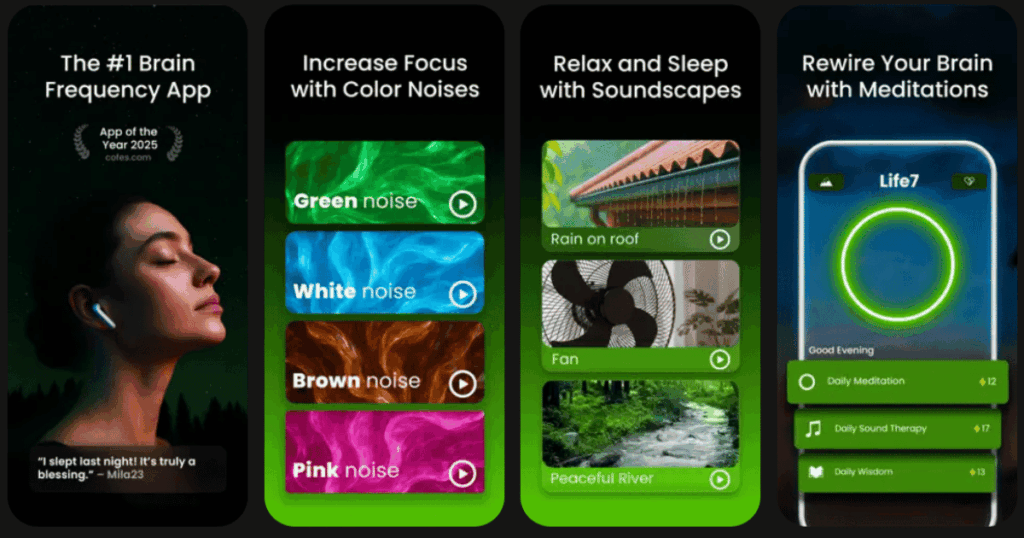
Life7 is my top pick for kids’ mental health because it truly offers something for everyone in the family. This app combines science backed sounds, guided meditations, sleep stories, and therapeutic tools all in one place.
What makes Life7 stand out is its incredible variety of content. From binaural beats and solfeggio frequencies to bedtime stories for children, this app covers all the bases. It includes cognitive behavioral therapy tools, breathing exercises for anxiety, and even SOS sessions to help calm panic attacks quickly.
Kids can explore different types of calming sounds like green noise, white noise, and brown noise. Parents love that they can use the app too, making it a family wellness solution.
Key Features:
- Over 312 million meditation minutes logged with 1200+ editorial mentions proving its effectiveness
- Includes sleep stories for both kids and adults plus REM sleep music
- Features CBT tools, hypnotherapy, vagus nerve stimulation, and transcendental meditation
What I like: I really appreciate how Life7 gamifies the wellness experience. Kids can earn XP and unlock premium soundscapes by completing mindfulness sessions. This keeps them engaged and motivated to build healthy habits. The daily sessions including meditation, music therapy, and wisdom quotes create a nice routine. The mood tracking feature also helps kids understand their emotions better over time.
What I don’t like: The free content is somewhat limited, so you really need a subscription to get the full experience. Some younger kids might find the interface overwhelming at first with so many options available.
Pricing: 7 day free trial available. Weekly, monthly, and yearly subscription plans offered with frequent special offers.
Platforms: iOS and Android
#2. Headspace for Kids – Best for Beginner Meditation for Ages 5+
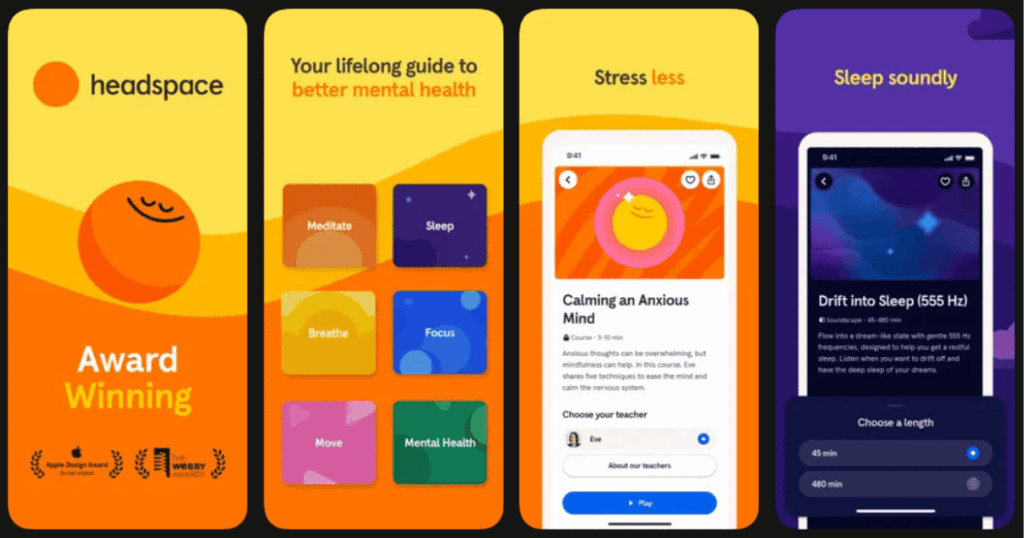
Headspace has been around since 2010 and remains one of the most trusted names in meditation apps. Their kids section specifically targets children ages 5 and under, 6 to 8, and 9 to 12 with age appropriate content.
The app teaches meditation basics through simple breathing exercises and visualizations. Kids learn to imagine smelling something yummy like a cake on the inhale and blowing out candles on the exhale. This creative approach makes meditation fun rather than boring.
Headspace has partnered with popular franchises too. You can find meditations featuring Star Wars characters and Elmo, which really gets kids excited about mindfulness.
Key Features:
- Five focus areas for kids including calm, focus, kindness, sleep, and wake up
- Meditations range from 1 to 10 minutes perfect for short attention spans
- Beautiful animations and videos explain meditation concepts clearly
What I like: The beginner friendly approach really shines here. There are no intimidating gongs or complicated concepts. Everything is explained simply with fun cartoon videos. The Sesame Street collaborations make younger kids feel comfortable. I also love how the app tracks progress and sends gentle reminders to practice.
What I don’t like: Kids under 13 cannot have their own accounts and must access content through a parent’s profile. Most content is locked behind a paywall, which frustrated some families I talked to.
Pricing: Limited free content available. Premium subscription required for full access with family plans offered.
Platforms: iOS and Android
#3. Calm – Best for Sleep and Relaxation for Kids 3+
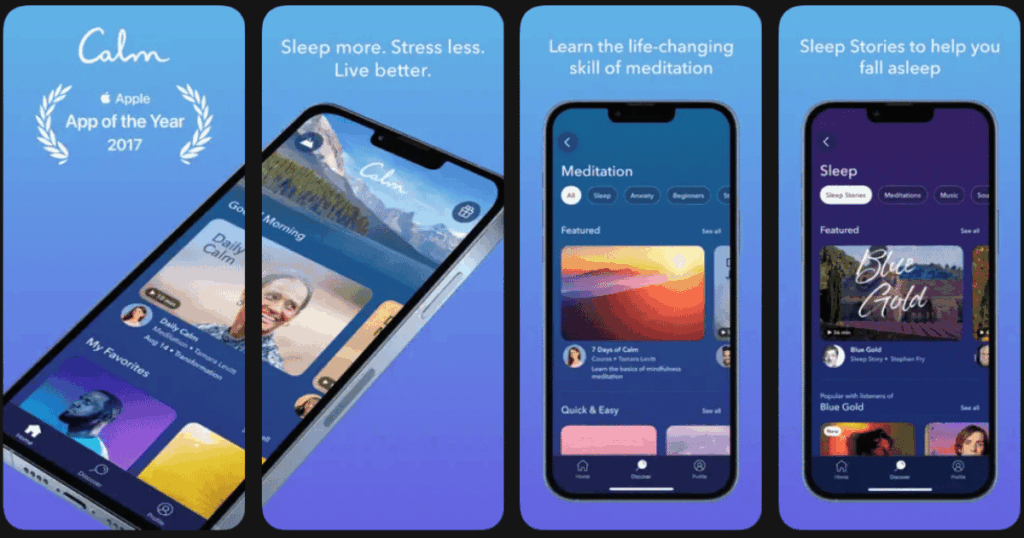
Calm consistently ranks as one of the top meditation apps worldwide. Their Calm Kids section includes content specifically designed for children as young as 3 years old.
The app excels at helping kids wind down for bedtime. Sleep stories feature soothing narratives that gently guide children to dreamland. There are also short meditations, focus sessions, and an emotions series that helps kids understand their feelings.
What parents appreciate is that everything in Calm is age appropriate. Even the adult content contains nothing inappropriate, so you do not have to worry about your child stumbling onto something unsuitable.
Key Features:
- Over 30 sleep stories specifically designed for kids ages 3 to 18
- Daily Calm feature provides fresh content every single day
- Mood check ins and streak tracking keep kids motivated
What I like: The sleep stories are absolutely magical. The narrators use soothing voices and calming music that genuinely help kids fall asleep faster. I appreciate how the app teaches specific techniques like belly breaths and loving kindness meditation. The beautiful nature scenes and sounds create a truly peaceful environment.
What I don’t like: The subscription cost is on the higher side compared to some alternatives. Some families feel you need the paid version to get any real value since free content is quite limited.
Pricing: 7 day free trial available. Annual subscription required for full access.
Platforms: iOS and Android
#4. Moshi Kids – Best for Bedtime Routines for Ages 0 to 12

Moshi was created by a BAFTA award winning creative team. Clinical studies at New York University showed it helps kids fall asleep 28 minutes earlier and experience 50% fewer night wakings.
The app features adorable characters like Sleepy Paws the Koala and Nodkins the Bunny. These lovable creatures guide children through magical bedtime adventures. There are over 400 audio stories, meditations, sounds, and music tracks to explore.
Parents report dramatic improvements in bedtime struggles. Stories are designed with a specific formula using narration, songs, and underlying music timed to match a child’s resting heart rate.
Key Features:
- Celebrity narrations from Goldie Hawn and Patrick Stewart
- Over 50 guided meditations and breathing exercises for daytime calming
- Daily content recommendations tailored to each child’s age and interests
What I like: The production quality is outstanding. Every story blends voice, music, and sound effects perfectly. I love that the app is 100% ad free and Kid Safe certified. The characters become familiar friends that kids look forward to seeing. Many parents told me this app completely transformed their bedtime struggles.
What I don’t like: The subscription model confused some users who expected monthly billing but were charged annually. Some kids might become dependent on the app and struggle to sleep without it.
Pricing: Free to download with limited content. 7 day free trial for premium. Monthly or annual subscription plans available.
Platforms: iOS and Android
#5. Smiling Mind – Best for Free Mindfulness for All Ages
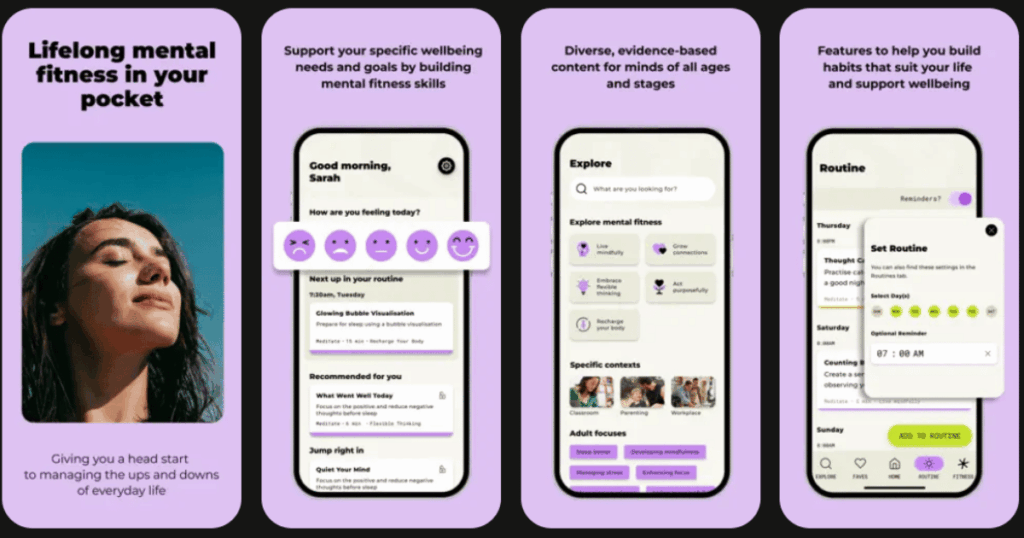
Smiling Mind stands apart as a 100% not for profit organization from Australia. Their app has remained completely free for over 12 years, which is remarkable in this space.
The app was developed by psychologists and educators specifically to help children build mental fitness skills. Programs cover ages 3 and up with content for kids, families, teens, and adults. There are even meditations available in Indigenous Australian languages.
Schools across Australia use Smiling Mind in their curriculum. The evidence based approach has helped millions of families access quality mental health support without financial barriers.
Key Features:
- Over 700 pieces of content including meditations, lessons, and activities
- Mental fitness tracker to monitor progress and build daily habits
- Programs cover sleep, calm, relationships, stress, and emotional development
What I like: The fact that it is completely free makes quality mental health support accessible to everyone. I appreciate how programs are tailored to different age groups and situations. The Australian accents are pleasant and the content feels genuine. The search function makes it easy to find exactly what you need in the moment.
What I don’t like: The interface recently changed and some users found it confusing at first. The background music in some meditations loops a bit too quickly and can be distracting during longer sessions.
Pricing: Completely free for individuals and families.
Platforms: iOS and Android
#6. Breathe Think Do with Sesame – Best for Toddlers Learning Emotional Skills

Sesame Workshop created this research based app to teach young children ages 2 to 5 a simple problem solving strategy. It uses familiar Sesame Street characters to make learning about emotions fun and engaging.
The app focuses on helping kids handle frustrating situations. A friendly blue monster demonstrates common challenges like struggling to tie shoes, dealing with separation anxiety, and going to bed. Children help the monster calm down through interactive activities.
The bilingual English and Spanish option makes this app accessible to more families. The parent section includes helpful tips and resources for navigating everyday challenges.
Key Features:
- Five interactive scenarios covering common childhood frustrations
- Teaches the Breathe Think Do strategy for emotional regulation
- Personalize encouraging phrases using your own voice recordings
What I like: This app nails the basics of emotional regulation for very young kids. The belly breathing activity is brilliant because kids tap the monster’s tummy to help him calm down. The problem solving approach teaches children they have options when facing challenges. Best of all, it is completely free with no ads or in app purchases.
What I don’t like: There are only five scenarios total, so kids may quickly work through all the content. Some parents wished for more variety and additional challenges to keep engagement high over time.
Pricing: Completely free with no in app purchases.
Platforms: iOS and Android
#7. DreamyKid – Best for Issue Based Meditation for Kids 3 to 17

DreamyKid calls itself the original kids meditation app. It targets specific issues that children face including ADHD, anxiety, overeating, and confidence building.
The app covers the widest age range I have seen, from 3 year olds all the way through teenagers. This makes it perfect for families with multiple children at different stages. Content includes general meditations, guided journeys, affirmations, sleep stories, and healing activities that get kids moving.
Schools and hospitals can access deeply discounted plans, which shows their commitment to making mindfulness accessible where kids need it most.
Key Features:
- Issue specific meditations targeting ADHD, anxiety, and more
- Guided journeys using imagination to visit calming places
- Sound healing and ambient background options
What I like: The issue based approach is really thoughtful. Instead of generic meditations, kids can find content that directly addresses what they are struggling with. I appreciate that healing activities get children moving rather than always sitting still. The affirmations help build self esteem and positive thinking patterns.
What I don’t like: Most content requires in app purchases or subscription to access. The two free meditations are buried below paid options, which feels a bit pushy. Interface could be more kid friendly.
Pricing: Free to try with limited content. Monthly or annual subscriptions unlock everything.
Platforms: iOS and Android
#8. Chill Panda – Best for Anxiety Management for Ages 6 to 12

Chill Panda takes a playful game based approach to teaching mindfulness. Children help an adorable panda through various relaxation exercises and breathing activities.
The app was developed by psychologists specifically for children dealing with anxiety. Throughout the game, kids learn meditation techniques and methods for reducing worry. The calming visuals and cute panda character keep children engaged.
What sets Chill Panda apart is how it disguises learning as play. Children do not feel like they are doing homework or therapy. Instead, they feel like they are having fun with a friendly panda friend.
Key Features:
- Game based relaxation and breathing exercises
- Teaches proven anxiety reduction techniques through play
- Family friendly design with calming visuals
What I like: The gamification approach really works for kids who resist traditional meditation. The panda character is adorable and kids genuinely care about helping him. The breathing exercises are woven naturally into gameplay so learning happens without kids realizing it. Perfect for anxious children who need gentle introduction to mindfulness.
What I don’t like: Content is more limited compared to larger apps. Monthly subscription is required for full access. Some kids might outgrow the simple gameplay fairly quickly.
Pricing: Monthly subscription model with free content available.
Platforms: iOS and Android
#9. Mindful Powers – Best for Social Emotional Learning for Ages 7+

Mindful Powers takes a unique skills based approach to teaching mindfulness. Children work through a series of guided stories that build upon each other progressively.
The app introduces kids to a cute sea creature called a Flibbertigibbet. This friendly companion helps children stay focused and learn breathing techniques. The child friendly voice and youthful design make it appealing to younger audiences.
Two main features drive the experience. Mindful Play guides kids through interactive sensory sessions. Focus Time provides a self set timer for concentrating on tasks like homework or reading.
Key Features:
- Skills based progressive learning that builds over time
- Mindful Play and Focus Time features serve different needs
- Voice guided sessions with interactive sensory elements
What I like: The progressive approach means kids actually develop skills rather than just trying random meditations. The Flibbertigibbet character is engaging without being distracting. I appreciate how Focus Time connects mindfulness to practical tasks like homework. Great option for kids who need structured learning paths.
What I don’t like: Works best with parent or teacher support especially for younger children. It is more of a tool than a game, which might disappoint kids expecting entertainment. The app feels quite basic compared to feature rich alternatives.
Pricing: Free for basic features. One time purchase unlocks premium content.
Platforms: iOS and Android
Are Mental Health Apps Safe for Kids?
Mental health apps designed for children go through careful development to ensure age appropriate content. Most reputable apps like the ones listed here are created by psychologists, educators, or mental health professionals.
However, parents should always review any app before giving it to their child. Check privacy policies to understand how data is collected and used. Look for apps that do not require personal information from children or share data with third parties.
The best practice is to use these apps together with your child, at least initially. This helps you understand the content and allows for discussions about feelings and emotions. Remember that apps should supplement, not replace, communication with your child about their mental health.
At What Age Should Kids Start Using Mental Health Apps?
Children as young as 2 or 3 can benefit from simple apps like Breathe Think Do with Sesame. These early apps focus on basic breathing and emotional recognition rather than formal meditation.
For guided meditation apps, most experts recommend starting around age 5 or 6. At this age, children can follow simple instructions and sit still for short periods. Start with very brief sessions of 1 to 3 minutes and gradually increase duration as your child grows.
Teenagers benefit from more sophisticated apps with features like mood tracking, journaling, and cognitive behavioral therapy tools. Apps like Life7 work well across all ages because they offer content for both children and adults.
Can Mental Health Apps Replace Therapy for Kids?
Mental health apps are wonderful tools but they cannot replace professional therapy when a child needs it. If your child shows signs of serious anxiety, depression, or other mental health challenges, please consult a healthcare professional.
These apps work best as preventive tools and supplements to professional care. They help children build coping skills, develop emotional awareness, and create healthy habits. Many therapists actually recommend specific apps to their young patients as homework between sessions.
Think of mental health apps as part of your child’s wellness toolkit. They can help maintain good mental health, but they are not designed to treat clinical conditions. When in doubt, always seek guidance from a qualified mental health professional who can properly assess your child’s needs.