9 Best Mental Health Apps In Australia
| App Name | Best For | Key Features | AC Rating | Pricing |
|---|---|---|---|---|
| Life7 | All in one mental wellness | Binaural beats, sleep stories, CBT therapy, breathing exercises | 4.8/5 | Free trial, then subscription |
| Smiling Mind | Free Australian mindfulness | Age specific programs, mental fitness tracking, offline access | 4.6/5 | Completely free |
| Headspace | Beginners learning meditation | Structured courses, animated guides, focus music | 4.5/5 | Monthly or annual subscription |
| Calm | Sleep and relaxation | Celebrity sleep stories, nature sounds, masterclasses | 4.4/5 | Monthly, annual, or lifetime |
| Insight Timer | Free meditation library | 100,000+ free meditations, live events, yoga | 4.5/5 | Free, optional premium |
| Wysa | AI powered therapy support | CBT chatbot, coaching sessions, mood tracking | 4.3/5 | Free version, premium available |
| Woebot | Cognitive behavioral therapy | Daily check ins, gratitude journaling, CBT techniques | 4.2/5 | Free with access code |
| BetterSleep | Customizable sleep sounds | 300+ sounds, sound mixing, sleep tracker | 4.3/5 | Free trial, then subscription |
| This Way Up | Clinical anxiety and depression | Structured CBT courses, clinician developed, evidence based | 4.4/5 | Low cost courses |
#1. Life7 – Best for All in One Mental Wellness
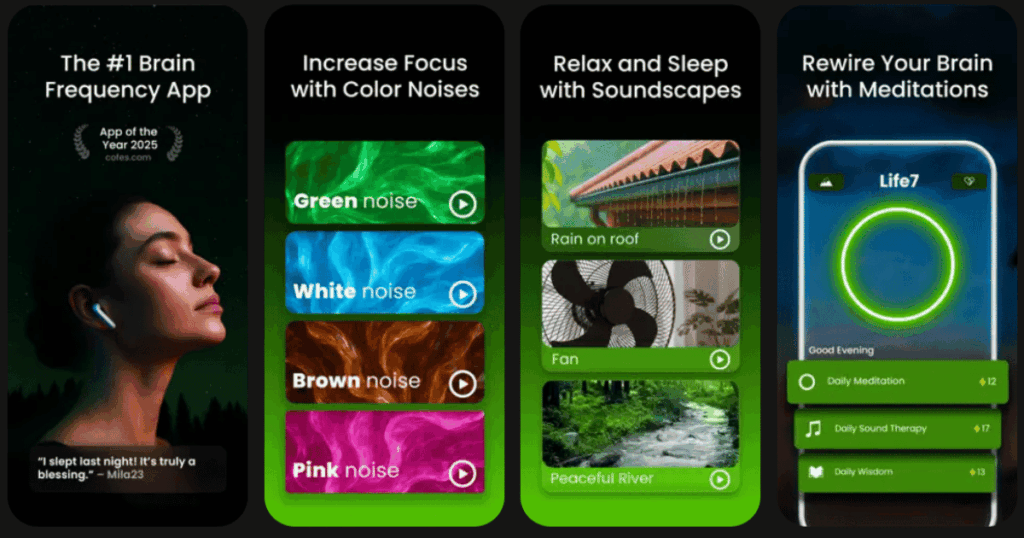
Life7 is my top pick for Australians looking for a complete mental health toolkit. This app brings together everything you need in one place. You get meditation, sleep support, breathing exercises, and even cognitive behavioral therapy tools.
The app has earned over 1200 editorial mentions worldwide. Users have logged more than 312 million meditation minutes. That tells you people are sticking with it and finding real value.
What makes Life7 special is its variety. You can mix soundscapes with meditations using the Backdrop Mode. The app includes green noise, white noise, brown noise, and pink noise. There are binaural beats and solfeggio frequencies for deeper relaxation.
Key Features:
- SOS sessions for anxiety and panic attacks plus hypnotherapy and CBT tools
- Sleep stories for adults and children with REM sleep music and 8D audio
- Daily check ins with meditation, music therapy, and wisdom sessions
What I like: I love how Life7 covers every aspect of mental wellness. The variety is incredible. You get transcendental meditation, vagus nerve stimulation, and even lucid dreaming sessions. The gamified approach with XP points keeps me motivated. I can track my streaks and share progress with friends. The new daily sessions mean there is always fresh content waiting for me.
What I don’t like: The free content is a bit limited. You really need the subscription to unlock the full experience. This might be frustrating if you just want to try things out first.
Pricing: 7 day free trial available. Weekly, monthly, and yearly plans offered. The company runs frequent special offers.
Platforms: iOS and Android
#2. Smiling Mind – Best for Free Australian Mindfulness
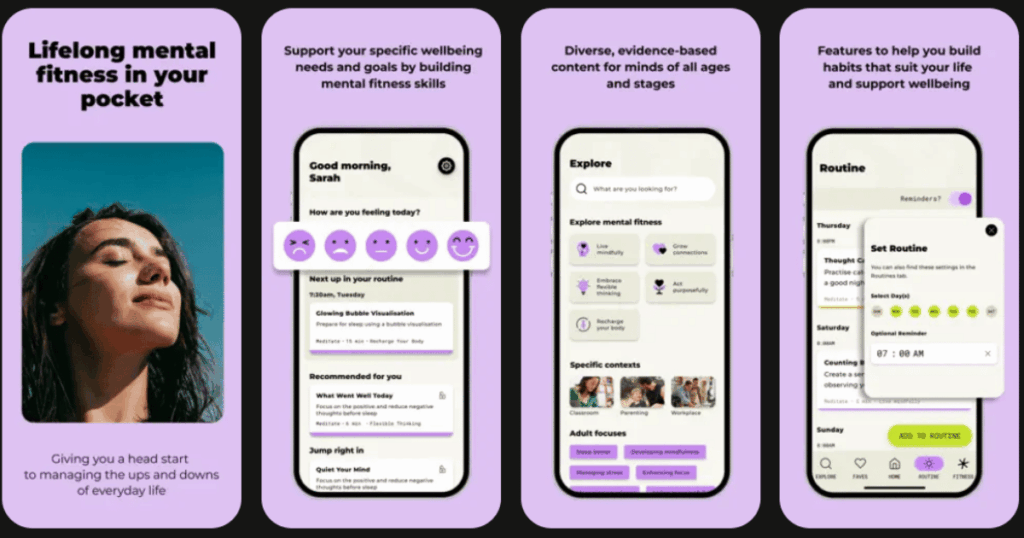
Smiling Mind is a beloved Australian app that has been helping people since 2012. It was created by psychologists and is completely free. As a nonprofit, they believe everyone deserves access to mental health tools.
The app offers over 700 lessons and meditations. Programs are designed for different ages from kids to adults. You can even find meditations in Indigenous Australian languages like Ngaanyatjarra and Pitjantjatjara.
Key Features:
- Age specific programs for children, teens, and adults
- Workplace and education programs for schools and businesses
- Mental fitness tracker to monitor your progress over time
What I like: I appreciate that this app costs nothing. Zero ads and zero paywalls. The content is developed by psychologists and backed by research. The variety of age appropriate programs makes it perfect for families. You can download sessions for offline use too.
What I don’t like: The interface can feel basic compared to flashier apps. Some users wish there were more visual elements and breathing animations included.
Pricing: Completely free for individuals and families
Platforms: iOS and Android
#3. Headspace – Best for Beginners Learning Meditation
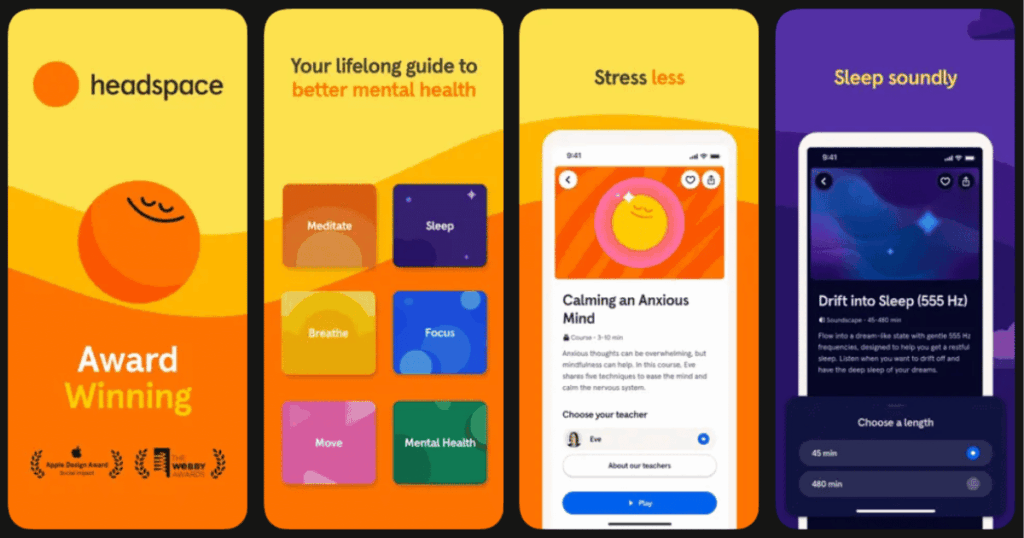
Headspace makes meditation feel approachable and fun. Co founded by a former Buddhist monk, the app uses friendly animations to teach mindfulness. It is perfect if you have never meditated before.
The app has earned 4.8 stars on the Apple App Store. Over 70 million people have downloaded it worldwide. The structured courses guide you step by step through your meditation journey.
Key Features:
- Animated mindfulness lessons that explain concepts clearly
- SOS sessions for moments of panic or anxiety
- Focus music and workout meditations for active days
What I like: Headspace feels like having a patient teacher. The animations make complex ideas simple. I love the variety of meditation teachers and the kid friendly content. The everyday headspace feature gives me fresh inspiration daily.
What I don’t like: Most content sits behind the paywall. The free trial is short and you need to enter payment details upfront. Some users find the subscription price steep.
Pricing: Monthly or annual subscription after free trial. Discounted rates for students and educators in Australia.
Platforms: iOS and Android
#4. Calm – Best for Sleep and Relaxation
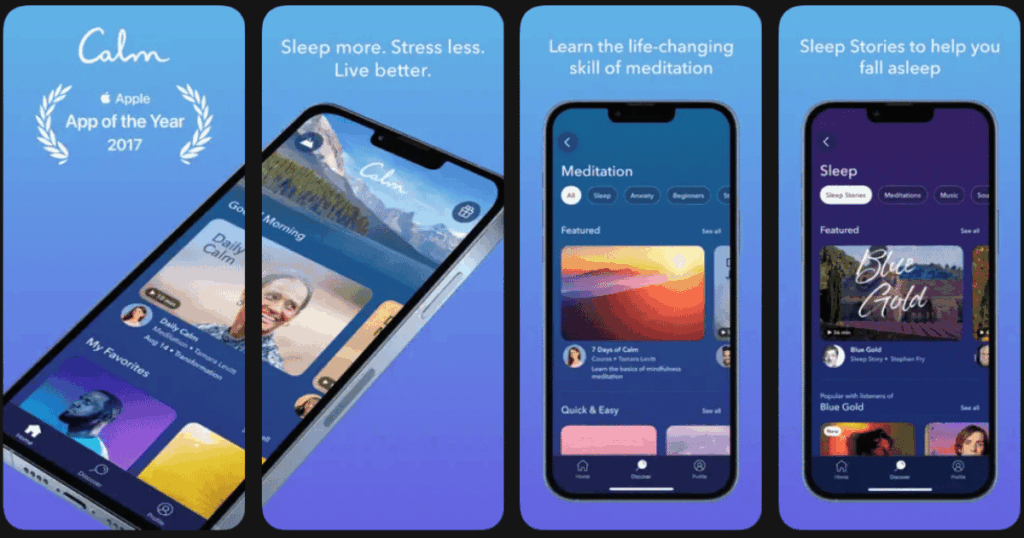
Calm has become famous for its celebrity narrated sleep stories. Imagine Harry Styles or Matthew McConaughey reading you a bedtime story. The app focuses heavily on helping you unwind and sleep better.
Apple named it App of the Year in 2017. The sleep stories section alone has converted many skeptics into loyal users. The app blends meditation, music, and storytelling beautifully.
Key Features:
- 100+ sleep stories narrated by celebrities and skilled readers
- Daily calm meditation with new content each day
- Masterclasses on topics like happiness and self compassion
What I like: The sleep stories are genuinely wonderful. The production quality is top notch. I enjoy the calming nature scenes and sounds. The Calm body stretching feature helps me physically unwind before bed.
What I don’t like: Almost everything requires a premium subscription. The app can feel overwhelming with so many options. Some users wish the daily meditations were longer than 10 minutes.
Pricing: Monthly, annual, or lifetime subscription available
Platforms: iOS and Android
#5. Insight Timer – Best for Free Meditation Library
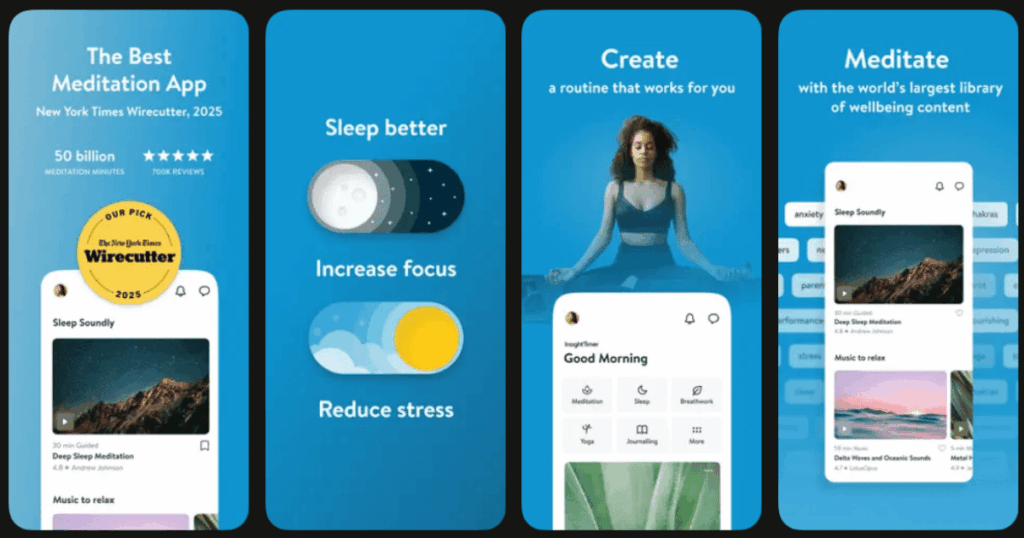
Insight Timer offers the largest free collection of meditations available. We are talking over 100,000 guided meditations from teachers worldwide. The app started as a simple meditation timer and grew into something massive.
Based in Sydney, this Australian app has attracted 27 million users globally. You can find meditations, yoga classes, music, and live events. All without paying a cent.
Key Features:
- 100,000+ free guided meditations and music tracks
- Live yoga and meditation events you can join
- Customizable meditation timer with beautiful bells
What I like: The sheer variety is unbeatable. You can find any style of meditation here. The community features help you connect with other meditators. I love being able to filter by topic, length, and teacher. The donation model means teachers get supported directly.
What I don’t like: The social features can feel cluttered if you just want simplicity. Finding the perfect meditation among thousands can be overwhelming. The premium courses require a subscription.
Pricing: Free with optional Member Plus subscription for courses and offline access
Platforms: iOS and Android
#6. Wysa – Best for AI Powered Therapy Support

Wysa puts an AI therapist in your pocket. The friendly penguin chatbot uses cognitive behavioral therapy techniques. It is available 24 hours a day when you need to talk through your feelings.
The app has earned FDA Breakthrough Device Designation. Over 500 million conversations have happened on the platform. Studies show regular users experienced a 31 percent reduction in depression symptoms.
Key Features:
- AI chatbot that listens without judgment and responds thoughtfully
- 150+ evidence based exercises for anxiety and depression
- Optional access to human mental health coaches
What I like: Having someone to talk to at 3am is powerful. The penguin character makes opening up feel less intimidating. I appreciate the blend of AI support with human coaching options. The anonymity removes barriers to getting help.
What I don’t like: The AI can sometimes feel scripted. Complex emotions may not get fully understood. Premium features and coaching require a subscription that some find pricey.
Pricing: Free version available. Premium subscription for full access. Coaching sessions available separately.
Platforms: iOS and Android
#7. Woebot – Best for Cognitive Behavioral Therapy

Woebot delivers proven CBT techniques through daily conversations. The chatbot checks in with you regularly and teaches practical coping skills. It was developed by clinical research psychologists at Stanford.
The app has been featured on 60 Minutes and in The New York Times. Users consistently report improvements in managing depression and anxiety. Daily check ins take just a few minutes.
Key Features:
- Daily mood tracking with personalized insights
- CBT lessons delivered through friendly conversation
- Gratitude journaling and mindfulness exercises
What I like: The bite sized daily interactions fit easily into busy schedules. The CBT techniques are well explained and practical. I appreciate the research backing this app. It feels like a helpful companion rather than clinical treatment.
What I don’t like: You currently need an access code from a healthcare provider or employer to use it. The responses can feel limited since you often choose from preset options.
Pricing: Free with access through employers, providers, or partner organizations
Platforms: iOS and Android
#8. BetterSleep – Best for Customizable Sleep Sounds
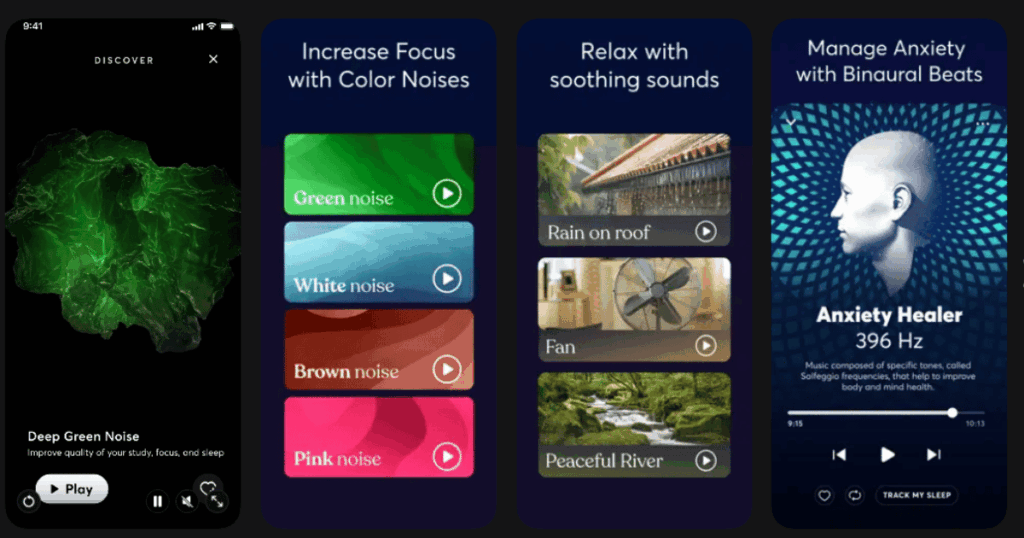
BetterSleep lets you become your own sound designer for sleep. Mix different sounds together to create your perfect bedtime soundtrack. Add rain to green noise to campfire crackling. The possibilities are endless.
Over 65 million people have used this app. Apple has named it App of the Day over 65 times. The sleep tracking features help you understand your patterns.
Key Features:
- 300+ sounds including white noise, nature sounds, and ASMR
- Sound mixing to create personalized sleep soundscapes
- Sleep stories, meditations, and breathing exercises
What I like: The mixing feature sets this apart from other apps. I can create exactly what my brain needs to relax. The binaural beats and isochronic tones add science backed depth. The sleep tracker provides useful insights about my habits.
What I don’t like: Many sounds that were once free are now premium. The free version feels quite limited now. Some users report the app drains battery quickly.
Pricing: Free version with limited sounds. Monthly or annual subscription for full access.
Platforms: iOS and Android
#9. This Way Up – Best for Clinical Anxiety and Depression
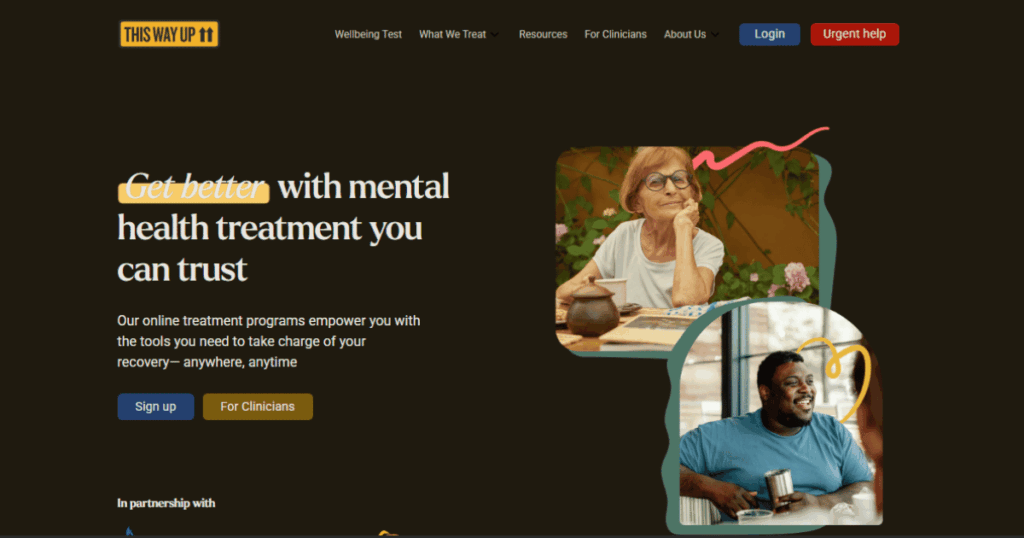
This Way Up offers structured online courses developed by Australian psychiatrists and psychologists. Based at St Vincent’s Hospital in Sydney, these programs are backed by serious research. Over 30 clinical trials support their effectiveness.
The courses use cognitive behavioral therapy to treat anxiety and depression. Many GPs and psychologists recommend these programs to patients. You can use it alongside therapy or as standalone help.
Key Features:
- Structured 6 to 8 week courses for specific conditions
- Progress tracking and email reminders to keep you on track
- Option to share progress with your healthcare provider
What I like: The clinical backing gives me confidence in this approach. The structured format helps me actually complete the program. I appreciate being able to share progress with my GP. The courses are affordable compared to therapy sessions.
What I don’t like: The format feels more like homework than casual self care. You need commitment to work through the full courses. The interface is not as polished as commercial apps.
Pricing: Low cost courses. Some free courses available. Medicare rebates may apply with a referral.
Platforms: Web based with mobile access
Are Mental Health Apps Actually Effective?
Research shows mental health apps can help reduce symptoms of anxiety and depression. They work best for mild to moderate symptoms. Apps are not meant to replace professional treatment for serious conditions.
Studies found the most effective apps use cognitive behavioral therapy techniques. Apps with structured programs tend to outperform those offering only relaxation content. Regular use matters more than which specific app you choose.
Mental health apps are tools to support your wellbeing. They can fill gaps between therapy sessions. They provide help at 3am when nothing else is available. Think of them as one part of your mental health toolkit.
How Do I Choose the Right Mental Health App?
Start by identifying your main goal. Do you struggle with sleep? Choose Calm or BetterSleep. Want to learn meditation basics? Headspace or Smiling Mind are perfect. Need support for anxiety or depression? Wysa or This Way Up offer targeted help.
Consider your budget too. Smiling Mind and Insight Timer offer generous free content. Paid apps like Headspace and Calm provide polished experiences but cost money. Most apps offer free trials so you can test before committing.
Look at what style suits you. Some people love chatting with AI bots like Wysa. Others prefer guided audio meditations. Some want structured courses while others want flexibility. Try a few apps to find what clicks for you.
Can Mental Health Apps Replace Therapy?
Mental health apps cannot replace professional therapy for serious conditions. They are not equipped to handle crisis situations. If you are having thoughts of self harm, please contact a professional immediately.
However, apps can complement therapy beautifully. They provide homework between sessions. They reinforce skills you learn from your therapist. Many therapists actively recommend apps to their patients.
For mild stress, sleep troubles, or general wellness, apps can work on their own. They lower barriers to getting started with mental health support. Think of them as entry points that may lead you to deeper help if needed.