9 Best Mental Health Apps In India
| App Name | Best For | Key Features | AC Rating | Pricing |
|---|---|---|---|---|
| Life7 | All in one mental wellness | Binaural beats, CBT, sleep stories, breathwork | 4.8/5 | Free trial, then subscription plans |
| Wysa | AI powered emotional support | AI chatbot, CBT exercises, anonymous chat | 4.6/5 | Free version, premium subscription |
| Calm | Sleep and relaxation | Sleep stories, meditation, nature sounds | 4.5/5 | Free trial, then yearly subscription |
| Headspace | Beginner meditation | Guided meditation, sleep content, mindful exercises | 4.5/5 | Free trial, then subscription |
| Amaha | Indian focused therapy | Therapist access, self help tools, multilingual support | 4.4/5 | Free self care, paid therapy sessions |
| YourDOST | Professional counseling | 24/7 expert access, chat and video sessions | 4.3/5 | Free via partnerships, paid for individuals |
| MindPeers | Gamified mental fitness | Neuroscience games, therapy sessions, journaling | 4.3/5 | Free basic, subscription for full access |
| BetterLYF | Anonymous therapy | Chat, call, video counseling, 24/7 availability | 4.2/5 | Subscription plans available |
| Happify | Building positive habits | Science based games, gratitude exercises, mood tracking | 4.1/5 | Free version, premium subscription |
#1. Life7 – Best for All in One Mental Wellness
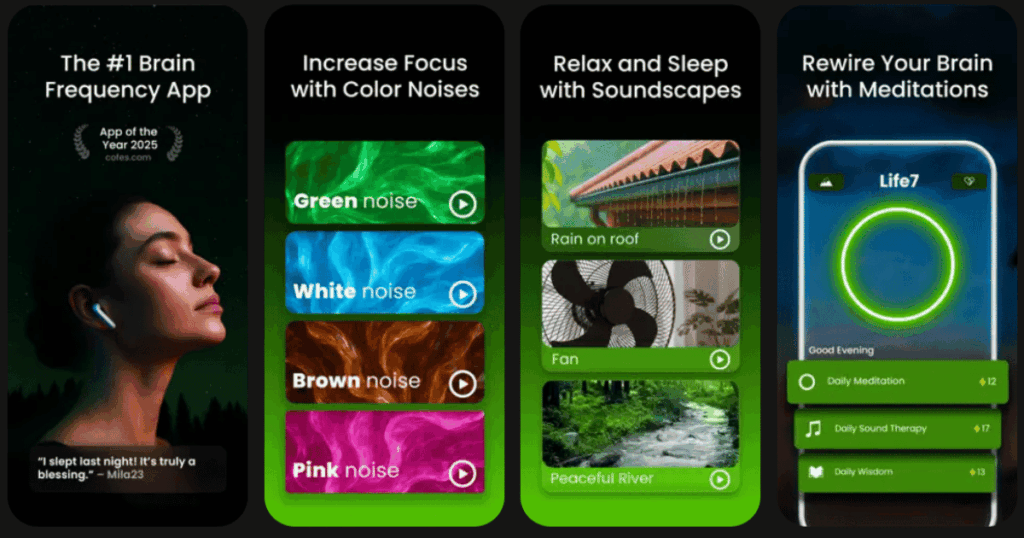
Life7 has quickly become my top recommendation for anyone looking to improve their mental health. This app offers everything you need in one place. From binaural beats to guided meditations, sleep stories to breathing exercises, it covers all bases.
What makes Life7 special is its science backed approach. You get access to delta, theta, alpha, beta, and gamma wave music. There are also solfeggio frequencies like 432 Hz and 528 Hz. The app includes CBT tools, hypnotherapy sessions, and even vagus nerve stimulation exercises.
With over 312 million meditation minutes logged and 1200+ editorial mentions, Life7 has proven itself. New content drops daily, so you always have fresh sessions to explore.
Key Features:
- Complete library of binaural beats, white noise, brown noise, pink noise, and nature sounds for deep relaxation
- SOS sessions for instant anxiety and panic attack relief plus transcendental meditation for deep awareness
- Gamified experience where you earn XP, build streaks, track moods, and share progress with friends
What I like: I absolutely love how Life7 combines so many wellness tools into one app. The daily check ins keep me accountable. The sleep stories help me drift off peacefully every night. The backdrop mode lets me mix soundscapes with meditations, which is genius. The hypnotherapy and CBT sessions have genuinely helped me work through some tough emotions.
What I don’t like: The free content is a bit limited. You really need to subscribe to get the full experience. I wish they offered more content for free so new users could explore longer before committing.
Pricing: 7 day free trial available. Weekly, monthly, and yearly subscription plans. Frequent special offers make it affordable.
Platforms: iOS and Android
#2. Wysa – Best for AI Powered Emotional Support

Wysa is a unique mental health app from India that uses an AI penguin chatbot to provide support. The cute character makes talking about feelings less scary. It uses CBT and DBT techniques to help you work through anxiety, stress, and depression.
The app has served over 5 million users across 65 countries. It received FDA Breakthrough Device designation, which shows its clinical credibility. You can chat anonymously without creating an account.
Key Features:
- AI chatbot available 24/7 that uses evidence based CBT and DBT techniques for emotional support
- Over 150 self help tools including meditation, breathing exercises, yoga, and journaling
- Option to connect with human coaches and therapists for deeper support
What I like: Wysa feels like talking to a supportive friend who never judges you. The anonymity is perfect for people who feel shy about opening up. The exercises are practical and easy to follow. I also appreciate that they now offer a Hindi version for tier 2 and tier 3 cities in India.
What I don’t like: The AI sometimes feels repetitive and does not always understand complex emotions. Some features feel restricted in the free version. The human coaching option costs extra.
Pricing: Free basic version with AI chatbot. Premium subscription for full access to tools. Coaching sessions charged separately.
Platforms: iOS and Android
#3. Calm – Best for Sleep and Relaxation
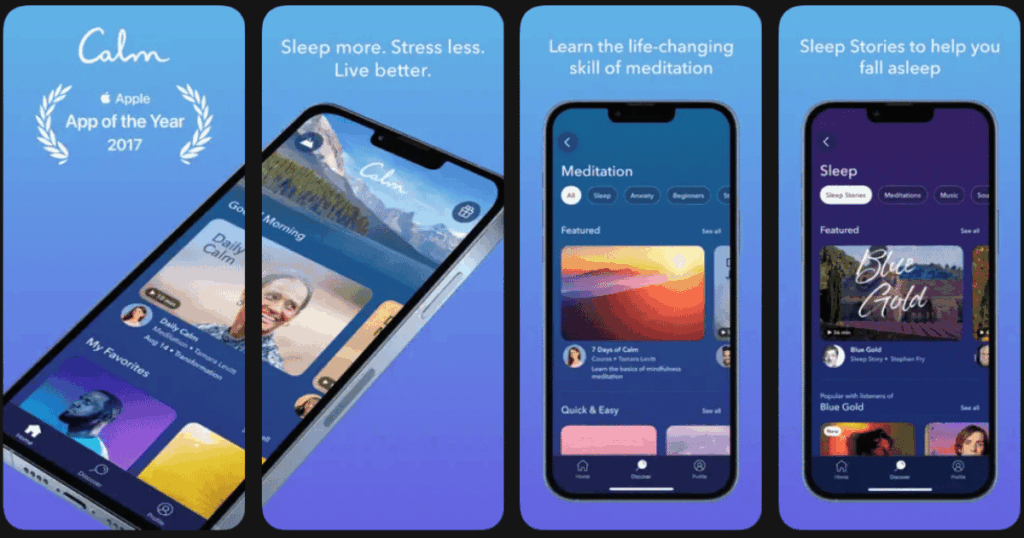
Calm is one of the most popular meditation apps worldwide, and Indians love it too. The app focuses heavily on helping you sleep better. Sleep stories narrated by celebrities like Matthew McConaughey have become legendary.
The app greets you with a “take a deep breath” message every time you open it. This small touch brings immediate mindfulness. The Daily Calm feature gives you a new 10 minute meditation every day.
Key Features:
- 200+ sleep stories narrated by famous voices to help you drift off peacefully
- Extensive library of guided meditations covering anxiety, stress, gratitude, and self esteem
- Relaxing music and nature soundscapes including rain, ocean waves, and forest sounds
What I like: The production quality is amazing. Every sound, every voice feels polished and calming. The sleep stories genuinely work for me. The masterclasses from experts are super informative. The app design is beautiful and makes me want to open it daily.
What I don’t like: The price is quite high compared to Indian alternatives. The free version is very limited. Some content feels more suited to Western audiences.
Pricing: 7 day free trial. Yearly subscription available. Lifetime subscription option for committed users.
Platforms: iOS and Android
#4. Headspace – Best for Beginner Meditation
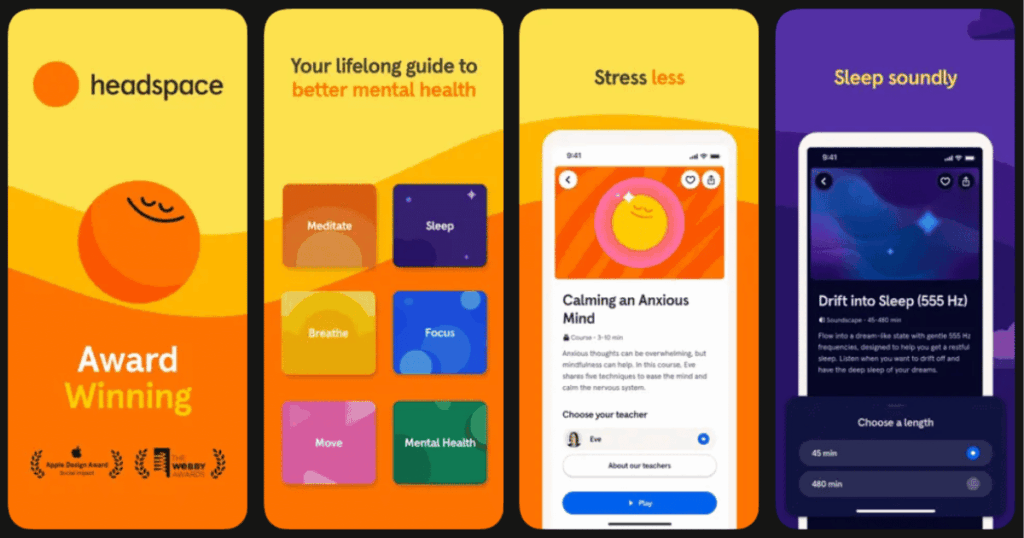
Headspace makes meditation approachable for everyone. Andy Puddicombe’s calm British voice guides you through sessions that are short and sweet. Perfect for squeezing in a quick breather between meetings or while waiting for chai.
The app uses fun animations to explain meditation concepts. This makes learning about mindfulness feel less intimidating. Courses cover everything from anxiety to anger management to sports performance.
Key Features:
- Structured courses for beginners that teach meditation basics step by step
- Sleepcasts and wind down experiences designed for better sleep
- Mindful movement sessions including yoga and fitness exercises
What I like: Headspace is incredibly beginner friendly. The short sessions fit into busy schedules. The animations make concepts easy to understand. In India, the pricing is very reasonable compared to other countries. The Apple Watch integration is handy for quick breathing exercises.
What I don’t like: After using it for a while, the sessions can feel samey. The same meditation techniques repeat across different courses. Advanced meditators might want more variety.
Pricing: Free trial available. Very affordable yearly subscription in India. Monthly option also available.
Platforms: iOS and Android
#5. Amaha – Best for Indian Focused Therapy
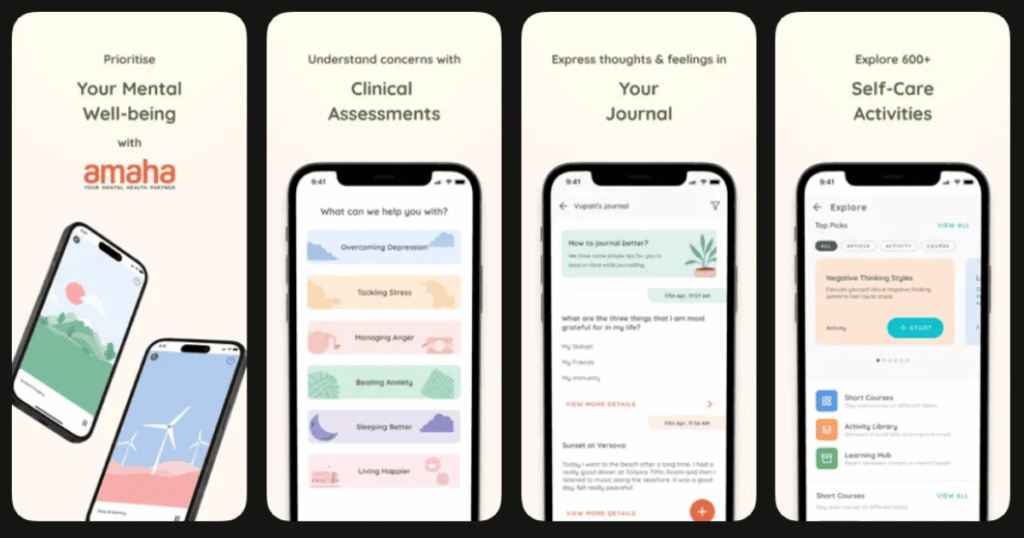
Amaha, formerly known as InnerHour, is built for Indians by Indians. This is important because our mental health challenges are often unique. Relationship issues, joint family stress, and cultural pressures need therapists who understand them.
The app offers therapy in 15+ Indian languages including Hindi, Marathi, and Tamil. Over 6 million users have worked on their mental health with Amaha. They have completed over 220,000 therapy sessions.
Key Features:
- Access to 110+ psychiatrists and therapists who understand Indian culture and offer support in regional languages
- 500+ self help tools based on CBT, mindfulness, and positive psychology
- Community support groups where you can connect anonymously with others facing similar challenges
What I like: The cultural relevance is a game changer. Talking to someone who understands the stress of Indian family dynamics makes therapy more effective. The self help courses are well designed and actually helpful. The AI chatbot Allie provides immediate support during distress.
What I don’t like: The therapy sessions can get expensive over time. Some users report difficulty changing therapists within the app. The interface could be more intuitive.
Pricing: App is free to download. Self help tools are free. Therapy and psychiatry sessions are paid.
Platforms: iOS and Android
#6. YourDOST – Best for Professional Counseling
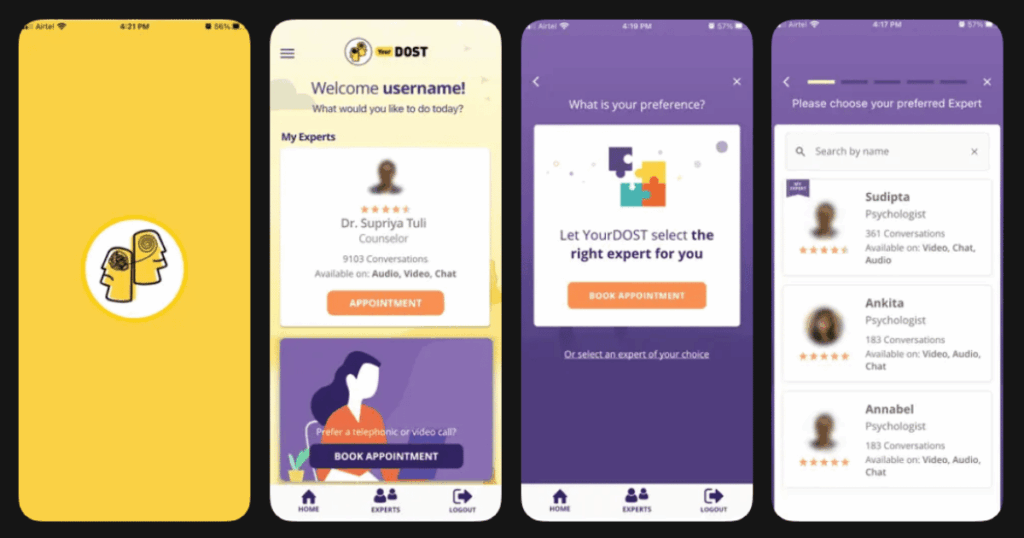
YourDOST is one of India’s first and largest online counseling platforms. They have over 1000 experts including psychologists, life coaches, and career counselors. The platform focuses on making professional help accessible and anonymous.
Many colleges and corporates in India partner with YourDOST. This means students and employees often get free access. The platform has conducted over 25 lakh counseling sessions.
Key Features:
- 24/7 access to over 900 verified mental health experts through chat, voice, or video
- Complete anonymity so you can share without fear of judgment
- Self help resources including assessments, articles, and wellness exercises
What I like: The variety of experts is impressive. You can find help for career stress, relationship issues, confidence building, and more. The anonymous option removes the stigma of seeking help. The 24/7 availability means support is there whenever you need it.
What I don’t like: Individual pricing can be steep if your institution does not have a partnership. The platform feels more clinical than supportive. Response times can vary depending on expert availability.
Pricing: Free for users at partner institutions. Paid subscription for individual users.
Platforms: iOS, Android, and Web
#7. MindPeers – Best for Gamified Mental Fitness

MindPeers takes a fresh approach to mental health. Founded by Kanika Agarwal who battled anxiety herself, the app makes mental wellness feel cool and relatable. The platform gained fame after appearing on Shark Tank India.
The app combines therapy with neuroscience games and community features. It has over 3.5 lakh users and is expanding globally. The focus on mental strength rather than mental illness is refreshing.
Key Features:
- Therapy sessions with 200+ certified therapists offering video, audio, and chat options
- Neuroscience based games and journaling tools to strengthen your mind
- Free first session to help you find the right therapist match
What I like: The gamified approach makes mental health feel less scary. The journaling prompts are thoughtful and help with self reflection. The option to write letters to your past and future self is unique. The affordable therapy rates make professional help accessible.
What I don’t like: The games can get boring quickly. Some features require therapist approval to unlock. The app is still growing so content can feel limited compared to bigger players.
Pricing: Free basic access with games and journaling. Monthly subscription for premium features. Affordable per session therapy rates.
Platforms: iOS and Android
#8. BetterLYF – Best for Anonymous Therapy

BetterLYF has been around since 2016 and has quietly built a strong reputation. The platform has facilitated over 4 lakh counseling sessions with a 70% return rate. That is impressive loyalty.
What sets BetterLYF apart is flexibility. You can choose chat, phone, or video sessions based on your comfort level. The anonymous option is perfect for first timers who feel nervous about opening up.
Key Features:
- Multiple communication options including chat, phone calls, and video sessions available 24/7
- Counselors with masters degrees in psychology and 500+ hours of training
- Specialized support for women centric challenges, work stress, and relationship issues
What I like: The focus on anonymity helped me open up when I first started therapy. The counselors are well trained and empathetic. The platform covers a wide range of issues from breakups to workplace burnout. No long term commitments required.
What I don’t like: The interface feels outdated compared to newer apps. There are fewer self help resources available. The pricing structure can be confusing.
Pricing: Various subscription plans available. Individual session options for those who prefer flexibility.
Platforms: iOS, Android, and Web
#9. Happify – Best for Building Positive Habits

Happify uses science and gamification to help you overcome negative thoughts. The app is based on positive psychology research. Activities are designed to boost your mood and build emotional resilience.
The platform offers tracks for specific goals like conquering negative thoughts, building confidence, and reducing stress. Each track includes activities, games, and quizzes.
Key Features:
- Science backed activities and games designed by psychologists to increase happiness
- Personalized tracks based on your specific goals and challenges
- Community feature where you can connect with others on similar journeys
What I like: The upbeat and colorful design makes the app enjoyable to use. The daily activities give small wins that boost motivation. The gratitude exercises have genuinely shifted my perspective. Perfect for building long term positive habits.
What I don’t like: The content can feel repetitive after extended use. Some activities feel too simple. The free version is quite limited.
Pricing: Free basic version available. Premium subscription unlocks all tracks and features.
Platforms: iOS and Android
Are Mental Health Apps Safe to Use?
Yes, reputable mental health apps are generally safe to use. Apps like Wysa and Amaha follow strict privacy guidelines including GDPR compliance. Your conversations stay confidential and encrypted.
However, always check the privacy policy before using any app. Look for apps that do not sell your data to third parties. Remember that these apps are tools for everyday support. They are not replacements for professional treatment during serious mental health crises.
If you experience severe symptoms, please reach out to a licensed professional or crisis helpline immediately.
Can Mental Health Apps Replace Therapy?
Mental health apps are excellent supplements but cannot fully replace traditional therapy. Apps work great for daily stress management, building mindfulness habits, and tracking your mood.
For deeper issues like trauma, severe depression, or complex mental health conditions, you need human therapists. Many apps like Amaha, YourDOST, and MindPeers recognize this. They offer both self help tools and connections to real professionals.
Think of apps as your daily mental gym. Regular use keeps you fit. But for injuries or serious concerns, you still need a doctor.
Which Mental Health App Should I Choose?
The best app depends on your needs. If you want an all in one solution with the most features, I recommend Life7. It combines meditation, sleep support, therapy techniques, and unique brainwave technology.
For AI based chat support, try Wysa. For sleep issues, Calm is excellent. For Indian focused therapy with regional language support, go with Amaha.
Most apps offer free trials or free basic versions. Download two or three and see which feels right. The best app is the one you will actually use consistently. Trust your instincts and start your mental wellness journey today.