9 Best Mental Health Apps In UK
| App Name | Best For | Key Features | AC Rating | Pricing |
|---|---|---|---|---|
| Life7 | All-in-one mental wellness | Binaural beats, CBT, sleep stories, breathing exercises | 4.8/5 | Free trial, then subscription |
| Headspace | Beginners to meditation | Guided meditations, sleep content, mindfulness courses | 4.6/5 | Free version, premium subscription |
| Calm | Sleep improvement | Sleep stories, Daily Calm, nature sounds | 4.5/5 | Free version, premium subscription |
| Happify | Building emotional resilience | Games, positive psychology activities, mood tracking | 4.3/5 | Free version, premium subscription |
| Moodfit | Mood tracking and CBT tools | Mood journal, gratitude exercises, breathing | 4.4/5 | Free trial, premium subscription |
| BetterHelp | Professional online therapy | Video sessions, messaging, licensed therapists | 4.5/5 | Weekly subscription |
| Wysa | AI mental health support | AI chatbot, CBT tools, mindfulness exercises | 4.2/5 | Free version, premium subscription |
| Sanvello | Anxiety and stress management | Daily check-ins, self-help courses, community | 4.3/5 | Free version, premium subscription |
| What’s Up? | CBT and ACT techniques | Thought diary, grounding games, coping methods | 4.1/5 | Completely free |
#1. Life7 – Best for All-in-One Mental Wellness
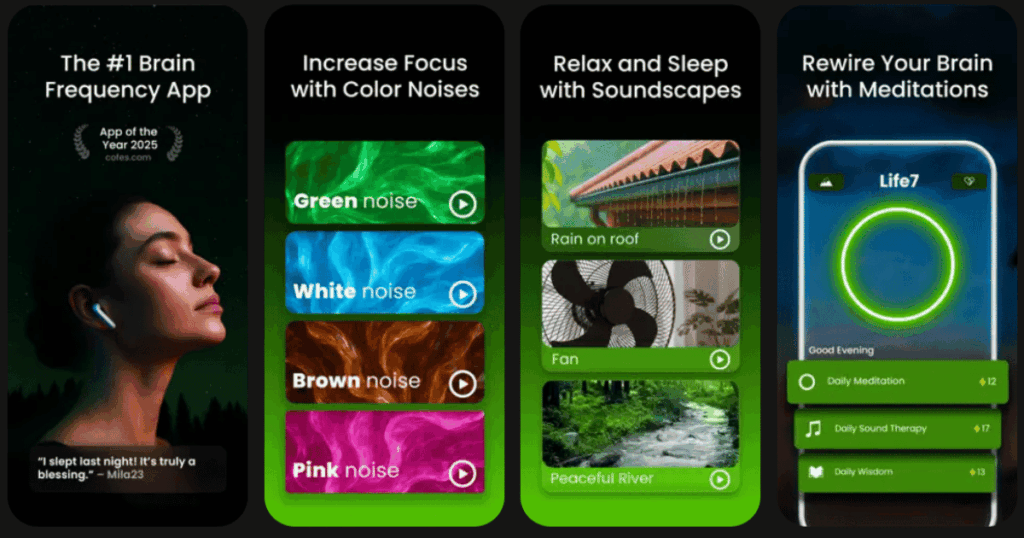
Life7 is a complete mental wellness app that covers everything from sleep to stress relief. I found it to be one of the most feature packed apps on the market today.
It has over 1200 editorial mentions and more than 312 million meditation minutes logged by users. The app offers guided meditations, sleep stories for both adults and children, and breathing exercises.
What really sets Life7 apart is its unique audio features. You get binaural beats, solfeggio frequencies, and various noise options like green, white, brown, and pink noise. It also includes CBT tools, hypnotherapy sessions, and vagus nerve stimulation.
Key Features:
- SOS sessions for panic attacks and anxiety relief, plus daily check-ins with mood tracking
- Wide range of sound therapy including 432 Hz, 528 Hz frequencies and brain wave music
- Gamified approach where you earn XP and unlock new content through mindfulness activities
What I like: I love how Life7 combines so many different wellness tools in one place. The variety is impressive. You get everything from transcendental meditation to ASMR to lucid dreaming guides. The daily sessions keep things fresh with new meditation, music therapy, and wisdom content every day. The streak system and gamification make it fun to stay consistent. Plus the backdrop mode lets you mix soundscapes with other content which is really clever.
What I don’t like: The free version is a bit limited. You will need to subscribe to get the full experience. Some people might feel overwhelmed by the sheer amount of options available.
Pricing: 7 day free trial available. Weekly, monthly, and yearly plans are offered. There are frequent special offers too.
Platforms: iOS and Android
#2. Headspace – Best for Beginners to Meditation
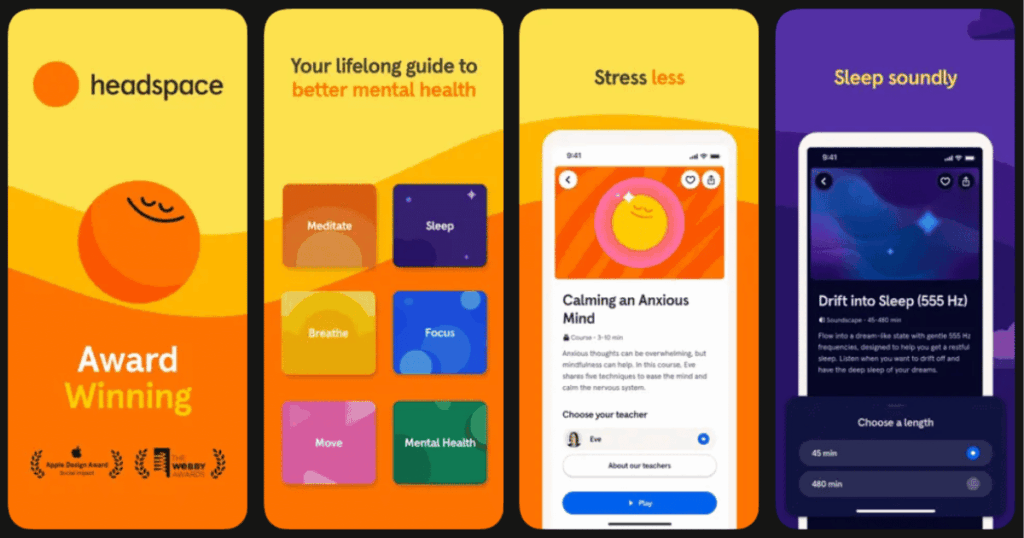
Headspace is one of the most popular meditation apps worldwide. It makes mindfulness super easy to understand for first timers.
The app was founded in 2010 with a mission to improve mental health for everyone. It has grown into a trusted name in the wellness space. NHS staff in the UK can even access Headspace for free until March 2025.
Headspace offers structured programs that guide you step by step. The content covers stress, anxiety, sleep, focus, and much more.
Key Features:
- Move Mode with gentle exercises led by professional trainers for mind and body wellness
- Sleep content including wind downs, sleepcasts, and relaxing soundscapes
- Mental health coaching and therapy options available as add-ons
What I like: The app is beautifully designed and really beginner friendly. I appreciate how the courses are structured to build your skills over time. The animations and teaching style make complex concepts simple. The Daily Headspace feature gives you a quick 10 minute session every day. Students get a massive 85% discount which makes it affordable.
What I don’t like: The app can feel a bit repetitive after a while since it uses the same meditation teachers throughout. Premium features require a subscription which some find pricey.
Pricing: Free version available with limited content. Premium subscription with monthly and annual plans. Student, family, and gift options exist.
Platforms: iOS and Android
#3. Calm – Best for Sleep Improvement
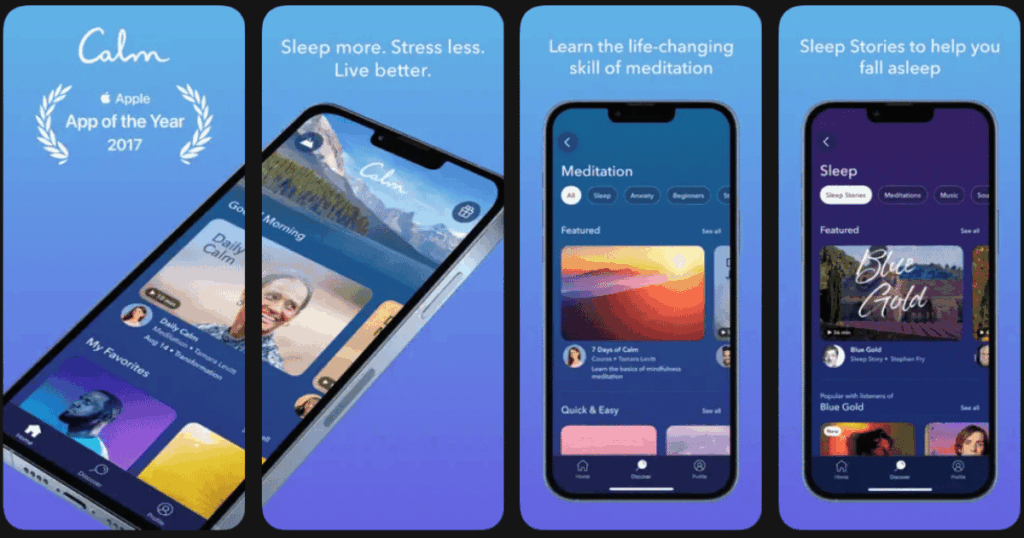
Calm focuses heavily on helping you get better sleep. It has become famous for its Sleep Stories narrated by celebrities.
The app was co-founded by two British entrepreneurs back in 2012. It has since grown to over 100 million downloads worldwide. Apple named it App of the Year in 2017.
Beyond sleep, Calm offers guided meditations, breathing exercises, and a large music library. The Daily Calm gives you a fresh 10 minute meditation each day.
Key Features:
- Sleep Stories narrated by celebrities including Stephen Fry and Matthew McConaughey
- Nature sounds, ambient music, and relaxing soundscapes for better rest
- Calm Kids section with age-appropriate content for children
What I like: The Sleep Stories are genuinely helpful for people who struggle to fall asleep. The celebrity voices add a nice touch. The app looks gorgeous with calming visuals that set the mood right away. I also like the music section which works great as background for work or relaxation. EE customers in the UK can get free trials through their mobile plans.
What I don’t like: The app can feel overwhelming with so much content. It scratches the surface on many topics rather than going deep. Some feel it has a commercial vibe due to all the celebrity involvement.
Pricing: Free version with limited content. Premium subscription available monthly or yearly. Family plan also available.
Platforms: iOS, Android, Web, Apple Watch, and more
#4. Happify – Best for Building Emotional Resilience

Happify takes a unique approach by using games and activities to boost your mood. It is based on positive psychology and CBT research.
The app launched in 2012 and has helped millions of people since. It works by giving you fun activities that build emotional strength over time.
What makes Happify different is its focus on science backed happiness. The tracks and games are designed by experts in the field.
Key Features:
- Science based games and activities that make mood improvement engaging and fun
- Tracks organized by goals like reducing stress or building confidence
- Community features where you can connect with others on similar journeys
What I like: The gamified approach makes mental wellness feel less like a chore. I found the quick activities easy to fit into busy days. The different tracks let you focus on what matters most to you. Progress tracking shows your growth over time. It is especially good for people new to mindfulness who want something interactive.
What I don’t like: Some activities can feel repetitive after a while. The free version is quite limited in what it offers.
Pricing: Free version available. Premium subscription unlocks all tracks and features.
Platforms: iOS and Android
#5. Moodfit – Best for Mood Tracking and CBT Tools

Moodfit has been recognized as the Best Overall Mental Health App by Verywell Mind for multiple years. It focuses on helping you understand your emotions.
The app started in 2011 and remains one of the best mood tracking tools today. It uses evidence based methods to help you feel better.
Moodfit tracks how different things affect your mood. This includes sleep, exercise, and daily habits.
Key Features:
- Detailed mood journal with insights that show patterns and triggers over time
- CBT tools for identifying and changing negative thought patterns
- Breathing exercises and quick meditation sessions for instant relief
What I like: The mood tracking is incredibly detailed and useful. I love how the app connects the dots between your habits and feelings. The CBT exercises are practical and easy to follow. Gratitude journaling is a nice bonus feature. The app gives you personalized insights based on your data which feels helpful.
What I don’t like: The interface could be more visually appealing. It takes consistent use to see the real benefits of tracking.
Pricing: Free to download with a 7 day trial of premium features. Subscription required for full access.
Platforms: iOS and Android
#6. BetterHelp – Best for Professional Online Therapy

BetterHelp connects you with licensed therapists for real professional support. It is the world’s largest online therapy platform.
The app launched in 2013 and has grown rapidly since. It matches you with a therapist based on your specific needs and preferences.
All therapists on BetterHelp are qualified professionals. They include psychologists, counselors, and social workers with verified credentials.
Key Features:
- Communication options including text, live chat, phone, and video sessions
- Matching system that pairs you with therapists suited to your needs
- Flexibility to switch therapists easily if the fit is not right
What I like: Having access to a real therapist is incredibly valuable. The flexibility to communicate in different ways suits different comfort levels. You can message your therapist anytime between sessions. The matching process considers your preferences carefully. It removes barriers like travel and scheduling that make traditional therapy hard.
What I don’t like: It is more expensive than self help apps. Insurance is not accepted in most cases. The experience depends heavily on finding the right therapist match.
Pricing: Weekly subscription with costs varying by location and preferences. Financial aid options available for those who qualify.
Platforms: iOS, Android, and Web
#7. Wysa – Best for AI Mental Health Support

Wysa uses artificial intelligence to provide 24/7 mental health support. The friendly chatbot is available whenever you need someone to talk to.
The app is research backed and uses CBT, mindfulness, and other evidence based techniques. It helps with stress, anxiety, and depression.
Wysa is not meant to replace therapy but works great as daily support between sessions.
Key Features:
- AI chatbot available anytime for instant support and guidance
- Evidence based tools including CBT exercises and mindfulness activities
- Optional access to human coaches for more personalized help
What I like: Having support available 24/7 is genuinely helpful for tough moments. The AI feels warm and understanding rather than robotic. The exercises are practical and based on real therapeutic techniques. It is a great stepping stone for people not ready for human therapy yet. The app protects your privacy well.
What I don’t like: AI cannot replace the depth of human connection and understanding. Some conversations can feel limited or repetitive.
Pricing: Free version with basic features. Premium subscription for full access. Human coaching available at additional cost.
Platforms: iOS and Android
#8. Sanvello – Best for Anxiety and Stress Management

Sanvello is designed specifically to help with stress, anxiety, and low mood. It combines CBT, mindfulness, and mood tracking in one app.
The app has helped millions of people manage their mental health. It offers both self help tools and access to professional support.
Daily check-ins help you stay aware of how you are feeling over time.
Key Features:
- Self help courses based on CBT that teach practical coping skills
- Supportive community where you can connect with others facing similar challenges
- Progress tracking that shows how your mood changes over time
What I like: The structured courses teach real skills you can use anywhere. I appreciate the balance between self help and professional options. The community aspect reduces feelings of isolation. Daily check-ins keep you mindful of your emotional state. The app feels supportive without being preachy.
What I don’t like: Some users find the community features distracting. Full access requires a premium subscription.
Pricing: Free to download with basic features. Premium subscription unlocks everything. Therapy and coaching available in select regions.
Platforms: iOS and Android
#9. What’s Up? – Best for CBT and ACT Techniques

What’s Up? is a completely free mental health app. It uses CBT and Acceptance Commitment Therapy methods to help with negative thinking.
The app is simple and straightforward. It focuses on practical tools without any subscription requirements.
What’s Up? is great for people who want evidence based help without spending money.
Key Features:
- Thought diary for tracking and challenging negative thinking patterns
- Grounding games and techniques to help during anxious moments
- Information pages that explain common mental health challenges
What I like: Being completely free is a huge advantage for anyone on a budget. The CBT tools are practical and effective. The grounding exercises help in the moment when anxiety spikes. The app explains concepts in simple terms. It does not try to upsell you constantly which feels refreshing.
What I don’t like: The design looks outdated compared to other apps. Features are more basic without the polish of premium alternatives.
Pricing: Completely free with no subscription required.
Platforms: iOS and Android
What is the best free mental health app in the UK?
If you want completely free options, What’s Up? stands out because it has no subscription at all. It gives you solid CBT and ACT tools without paying anything.
However, most quality apps offer free versions with limited content. Headspace, Calm, and Life7 all let you try features before subscribing. NHS staff in the UK can access Headspace premium for free until March 2025.
For the best overall experience with a trial period, I recommend Life7. The 7 day free trial gives you access to everything so you can see if it works for you.
Are mental health apps effective?
Research shows that mental health apps can genuinely help. Studies have found positive results for people using apps alongside therapy or medication.
Apps using CBT, meditation, and mindfulness techniques show the most promise. They work best when used consistently as part of a daily routine.
However, apps work best as a complement to professional help rather than a replacement. If you are struggling with serious mental health issues, please speak with a doctor or therapist.
Can mental health apps replace therapy?
Mental health apps cannot fully replace professional therapy. They are tools that support your mental wellness journey.
Apps like Life7, Headspace, and Calm are great for daily maintenance. They help with stress, sleep, and building healthy habits.
For serious conditions like depression or anxiety disorders, professional support is important. Apps like BetterHelp can connect you with real therapists. Other apps work well between therapy sessions to reinforce what you learn.