9 Best Phobia Apps For Your Phone
| App Name | Best For | Key Features | AC Rating | Pricing |
|---|---|---|---|---|
| Life7 | Overall phobia and anxiety relief | SOS panic sessions, CBT therapy, calming soundscapes | 4.8/5 | Free trial, then subscription |
| oVRcome | Virtual reality exposure therapy | VR phobia treatment, guided meditations, progress tracking | 4.6/5 | Subscription with VR headset |
| FearTools | Evidence based anxiety self help | Thought diary, exposure exercises, breathing tools | 4.4/5 | Free |
| MindShift CBT | Cognitive behavioral therapy for fears | CBT techniques, goal setting, coping strategies | 4.5/5 | Free |
| Clear Fear | Young people with anxiety | CBT based exercises, emotion tracking, educational content | 4.3/5 | Free |
| Calm | Meditation based fear management | Guided meditations, sleep stories, breathing exercises | 4.7/5 | Free trial, then subscription |
| Headspace | Fear and anxiety meditation | Fear specific meditations, SOS sessions, mindfulness courses | 4.6/5 | Free trial, then subscription |
| Phobia Free | Spider and insect phobias | Augmented reality exposure, gamified treatment, gradual desensitization | 4.2/5 | Free with in app purchases |
| FlyCalm | Fear of flying | Flight specific meditations, turbulence training, affirmations | 4.1/5 | Free with premium upgrade |
#1. Life7 – Best for Overall Phobia and Anxiety Relief
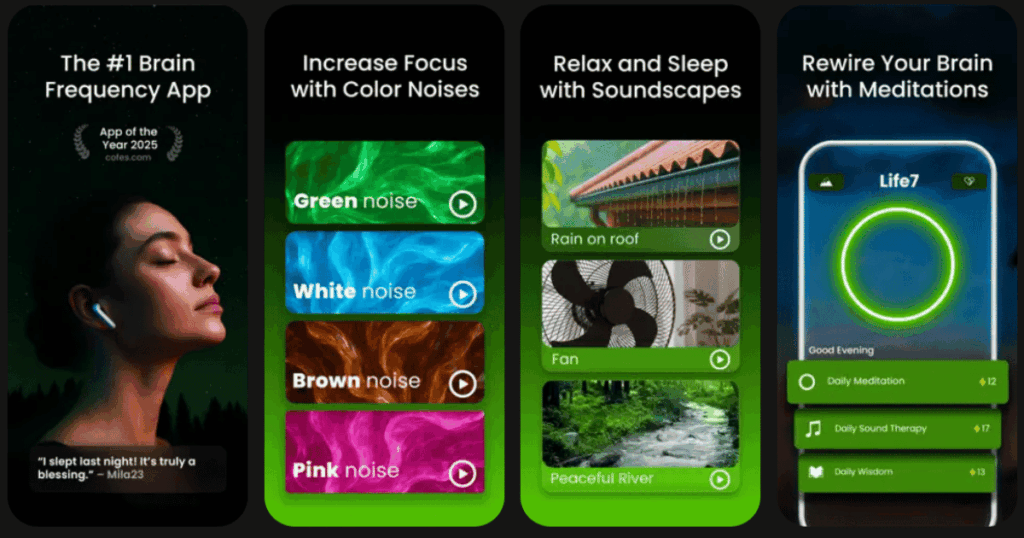
If you struggle with phobias or anxiety, Life7 is the app I recommend most. This all in one mental wellness app gives you everything you need to tackle your fears head on.
Life7 has earned over 1200 editorial mentions and helped users log more than 312 million meditation minutes. That tells me this app really works for people.
What makes Life7 stand out is how complete it is. You get SOS sessions for panic attacks, cognitive behavioral therapy tools, and hypnotherapy options. The app also includes breathing exercises, vagus nerve stimulation, and tons of calming soundscapes.
Key Features:
- SOS sessions designed to calm anxiety and panic attacks quickly when fear strikes
- Cognitive behavioral therapy and hypnotherapy for deep emotional healing from phobias
- Multiple sound options including white noise, brown noise, binaural beats, and solfeggio frequencies
What I like: I love how Life7 covers every angle of phobia treatment. The SOS sessions are a lifesaver when panic hits unexpectedly. The variety of sounds like green noise, pink noise, and 8D audio help me relax before bed. I also appreciate the daily check ins, guided meditations, and mood tracking features. The gamified approach keeps me motivated to stick with my practice.
What I don’t like: The free content is somewhat limited. You really need a subscription to unlock the full power of this app. However, the 7 day free trial lets you test everything before committing.
Pricing: 7 day free trial available. Weekly, monthly, and yearly subscription plans offered with frequent special deals.
Platforms: iOS and Android
#2. oVRcome – Best for Virtual Reality Exposure Therapy

oVRcome takes a unique approach to treating phobias. This app uses virtual reality to help you face your fears in a safe, controlled environment.
The app was developed by clinical psychologists and has published clinical trials proving it works. Exposure therapy is considered the gold standard treatment for phobias. oVRcome brings this therapy right to your phone.
You can treat many different phobias with oVRcome including fear of spiders, heights, flying, and social situations. The VR experience feels real enough to trigger your fear response, but you stay completely safe.
Key Features:
- Guided VR exposure therapy sessions you can do anytime from home
- Educational content that helps you understand your phobia at its source
- Calming meditation exercises and a toolbox of coping skills for immediate relief
What I like: The VR exposure really works. I know people who went from being terrified of spiders to being able to watch them on TV calmly. The app teaches you relaxation techniques first, then gradually exposes you to your fear. It feels professional and well designed. The progress tracking helps you see how far you have come.
What I don’t like: You need a VR headset for the full experience, which costs extra money. This makes the total investment higher than most other apps on this list.
Pricing: Subscription based with different plans available. VR headset can be purchased separately or you can use your own compatible device.
Platforms: iOS and Android
#3. FearTools – Best for Evidence Based Anxiety Self Help

FearTools is a free app built in collaboration with mental health professionals. It focuses on giving you practical tools that actually work against phobias and anxiety.
The app uses techniques from cognitive behavioral therapy, which research shows is very effective for treating anxiety disorders. Everything in FearTools is designed to help you understand and challenge your fears.
What I appreciate most is that this app is completely free with no ads. The creators made it as a nonprofit venture to help people who struggle with anxiety.
Key Features:
- Thought diary to challenge and reframe unhelpful thoughts using CBT techniques
- Exposure tool that guides you through facing your fears gradually and safely
- Paced breathing exercises and the GAD 7 anxiety questionnaire to track your progress
What I like: FearTools gives you real therapy techniques without the therapy price tag. The thought diary is super helpful for catching those scary thoughts before they spiral. I also love the curated YouTube videos with guided meditations and helpful TED talks. The self help guidelines are written in simple language anyone can follow.
What I don’t like: The app can feel a bit basic compared to flashier options. Some users report occasional glitches when using the thought diary feature. It also lacks the immersive audio content other apps offer.
Pricing: Completely free with no advertisements
Platforms: iOS and Android
#4. MindShift CBT – Best for Cognitive Behavioral Therapy for Fears
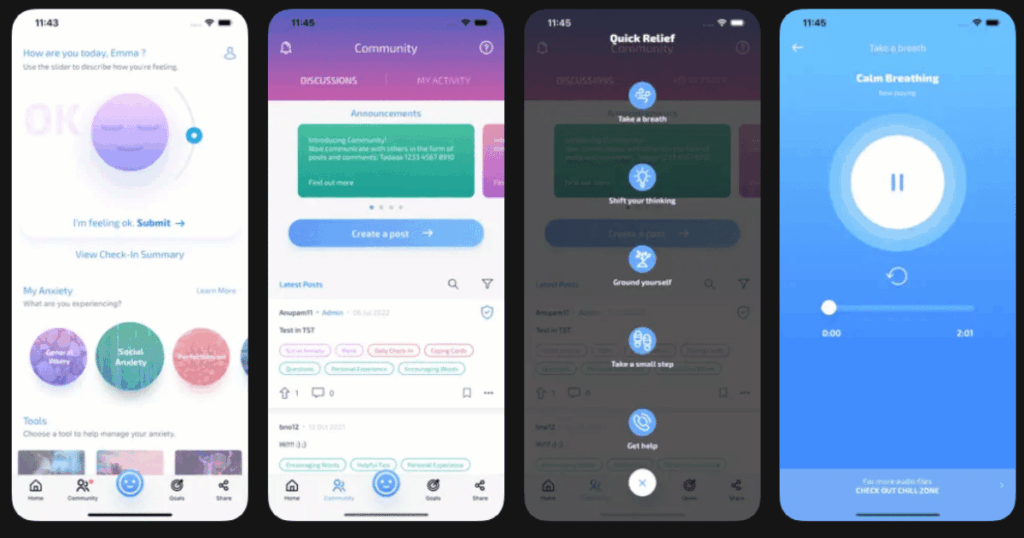
MindShift CBT was created by anxiety experts to help you learn how your thoughts, feelings, and behaviors connect. Understanding these connections is key to beating phobias.
The app excels at education. It teaches you why you feel fear and exactly how CBT techniques can help you take control. You become an active participant in your own recovery.
MindShift lets you set personal goals and track your progress over time. Watching yourself improve is incredibly motivating when dealing with stubborn fears.
Key Features:
- Self help tools based on cognitive behavioral therapy including breathing and meditation
- Customizable goal setting to target your specific phobias and fears
- Progress tracking that shows how your anxiety levels change over time
What I like: The educational content really helped me understand my anxiety. Instead of just telling me to relax, MindShift explains why certain techniques work. The interactive activities make learning about CBT actually interesting. I feel empowered knowing I have the skills to manage my fears myself.
What I don’t like: The extensive library of tools can feel overwhelming when anxiety is high. Sometimes you just want a quick fix, and navigating through all the options takes time.
Pricing: Free to download and use
Platforms: iOS and Android
#5. Clear Fear – Best for Young People with Anxiety

Clear Fear was created by a teenage mental health charity called stem4. It targets young people dealing with anxiety but works well for adults too.
A peer reviewed study showed that Clear Fear significantly reduces anxiety and depression in users. The app uses proven CBT strategies in a simple, easy to understand format.
The app helps you face your fears rather than avoid them. It teaches you to reduce physical responses to threats while changing unhelpful thoughts and behaviors.
Key Features:
- CBT based exercises designed specifically for managing anxiety symptoms
- Emotion tracking and release tools to help process fearful feelings
- Educational content explaining how anxiety works in your brain and body
What I like: Clear Fear makes CBT accessible to everyone, especially younger users. The design is friendly and not intimidating at all. I appreciate that a real study proves this app works. The exercises are quick and easy to fit into a busy day. Schools even use it to help students with anxiety.
What I don’t like: The app focuses more on general anxiety than specific phobias. If you have a very particular fear like spiders or heights, other apps might target it better.
Pricing: Completely free
Platforms: iOS and Android
#6. Calm – Best for Meditation Based Fear Management

Calm is one of the most popular meditation apps in the world. It offers excellent tools for managing fear and anxiety through mindfulness practice.
The app teaches you to step back from scary thoughts instead of getting caught up in them. With regular practice, you learn to observe fear without letting it control you.
Calm includes specific content for different types of fears. There are programs for general anxiety, panic attacks, and even fear of flying.
Key Features:
- Extensive library of guided meditations from two minute exercises to seven day programs
- Sleep stories narrated by soothing voices to help anxious minds rest
- Breathing exercises and grounding techniques for moments of panic
What I like: The production quality of Calm is outstanding. The meditations are beautifully recorded and genuinely calming. I especially love the panic relief meditations when anxiety spikes suddenly. The daily calm feature keeps me consistent with my practice. The sleep stories have helped me break the cycle of anxious thoughts at bedtime.
What I don’t like: Much of the best content sits behind a paywall. The free version gives you a taste, but you need a subscription for full access to fear focused programs.
Pricing: Free trial available, then subscription required for full content library
Platforms: iOS and Android
#7. Headspace – Best for Fear and Anxiety Meditation

Headspace teaches meditation techniques specifically designed to help with fear and anxiety. The app focuses on training your mind to handle scary thoughts more skillfully.
The app includes a Fear of Flying meditation series and SOS singles for when fear turns to panic. These targeted resources address specific phobia triggers.
Through regular practice, Headspace helps you become more aware of when fear creeps in. This awareness lets you manage anxiety before it takes over.
Key Features:
- Fear specific meditation series targeting common phobias like flying
- SOS sessions for immediate relief during anxiety or panic episodes
- Noting technique training to identify and release fearful thoughts gently
What I like: Headspace makes meditation feel approachable even for beginners. The animations explaining how fear works in your brain are really helpful. I like having the SOS option when I need quick relief. The noting technique has become one of my favorite tools for catching anxious thoughts early.
What I don’t like: Like Calm, the full content requires a paid subscription. The app also focuses on meditation broadly rather than intensive phobia treatment specifically.
Pricing: Free trial, then subscription based pricing with different plan options
Platforms: iOS and Android
#8. Phobia Free – Best for Spider and Insect Phobias

Phobia Free uses augmented reality to help you overcome fear of spiders and other creepy crawlies. The app takes a gaming approach to systematic desensitization therapy.
You start with harmless cartoon spiders and games. As you progress, the spiders become more realistic. This gradual exposure helps your brain learn that spiders are not actually dangerous.
The cognitive behavioral approach used here is the same technique therapists use in clinics. You just get to do it from your phone at your own pace.
Key Features:
- Augmented reality technology that puts virtual spiders in your real environment
- Gamified treatment that makes exposure therapy feel less scary and more fun
- Gradual progression from cartoon images to realistic spider simulations
What I like: The gaming element makes facing your fears feel less overwhelming. Starting with cute, harmless spider characters helps ease you in gently. I love that the app uses proven therapeutic techniques in such an accessible way. You can see your progress clearly as you unlock new levels.
What I don’t like: The app focuses mainly on spider phobia. If you fear something else, this app will not help much. The free version is limited, and purchasing treatment for different phobias requires separate payments.
Pricing: Free to start with in app purchases for additional phobia programs
Platforms: iOS and Android
#9. FlyCalm – Best for Fear of Flying

FlyCalm was created specifically for people who dread getting on airplanes. The app combines meditation, education, and exposure techniques to help nervous flyers.
You get turbulence training sessions with calming meditation to help you manage anxiety triggers during actual flights. The app also provides tips for releasing negative emotions tied to flying.
The creators built this app from personal experience overcoming flight anxiety. They understand what you are going through and designed content that addresses real fears.
Key Features:
- Turbulence training sessions that simulate flight conditions with calming guidance
- Fear of flying hypnosis and subliminal affirmation programs
- Educational content explaining how planes work to reduce unknown fears
What I like: Having an app specifically designed for flight anxiety makes a huge difference. The 8 minute meditation is perfect for quick sessions before a trip. I appreciate that the app encourages you to face your fear rather than just distract from it. New content is added regularly so it stays fresh.
What I don’t like: Many features require payment to access. The app acknowledges you need the paid version for a complete solution. Some users find the approach confrontational at first.
Pricing: Free to download with premium features requiring purchase
Platforms: iOS
Can Apps Really Help Cure Phobias?
Apps can definitely help reduce phobia symptoms and even overcome fears completely for some people. Research supports the effectiveness of techniques like cognitive behavioral therapy and exposure therapy, which many of these apps use.
However, apps work best as part of a bigger treatment plan. If your phobia severely impacts your daily life, talking to a therapist is still the best first step. Apps can supplement professional treatment or help with milder fears.
The key is consistent use. Using a phobia app once will not cure anything. But practicing the techniques regularly can genuinely rewire how your brain responds to fear over time.
How Long Does It Take to Overcome a Phobia Using an App?
Everyone is different, so there is no set timeline. Some people notice improvement within a few weeks of consistent practice. Others may need several months to see significant changes.
The type of phobia matters too. Simpler, specific phobias like fear of spiders often respond faster than complex fears like social anxiety. Your dedication to using the app regularly also plays a huge role.
Most apps recommend daily practice, even if just for a few minutes. The more consistent you are, the faster you will likely see results.
Are Free Phobia Apps as Good as Paid Ones?
Free apps like FearTools and Clear Fear offer genuine therapeutic value based on proven techniques. You can absolutely make progress without spending money.
That said, paid apps often provide more content, better production quality, and specialized features. Apps like Life7 offer comprehensive tools that free apps simply cannot match.
My advice is to start with free options to learn what works for you. If you find meditation helpful, consider upgrading to Calm or Headspace. If you need more intensive treatment, Life7 or oVRcome might be worth the investment.