9 Best Mental Health Apps For Teenagers
| App Name | Best For | Key Features | AC Rating | Pricing |
|---|---|---|---|---|
| Life7 | All-in-one mental wellness | Meditation, sleep sounds, CBT, breathing exercises | 4.8/5 | Free trial, then subscription |
| Headspace | Guided meditation beginners | Structured courses, sleep content, focus tools | 4.5/5 | Free trial, then subscription |
| Calm | Sleep and relaxation | Sleep stories, meditation, music | 4.4/5 | Free tier, premium available |
| Smiling Mind | Budget-friendly mindfulness | Age-specific programs, mental fitness tracking | 4.6/5 | Completely free |
| Happify | Positive psychology games | CBT activities, mood games, community | 4.2/5 | Free tier, premium available |
| Daylio | Mood tracking and journaling | Icon-based tracking, statistics, habit goals | 4.5/5 | Free tier, premium available |
| Sanvello | CBT-based anxiety support | Guided journeys, mood tracking, community | 4.3/5 | Free tier, premium available |
| Calm Harm | Managing self-harm urges | DBT activities, breathing exercises, safety tools | 4.7/5 | Completely free |
| Finch | Gamified self-care | Virtual pet, daily tasks, goal setting | 4.4/5 | Free tier, premium available |
#1. Life7 – Best for All-in-One Mental Wellness
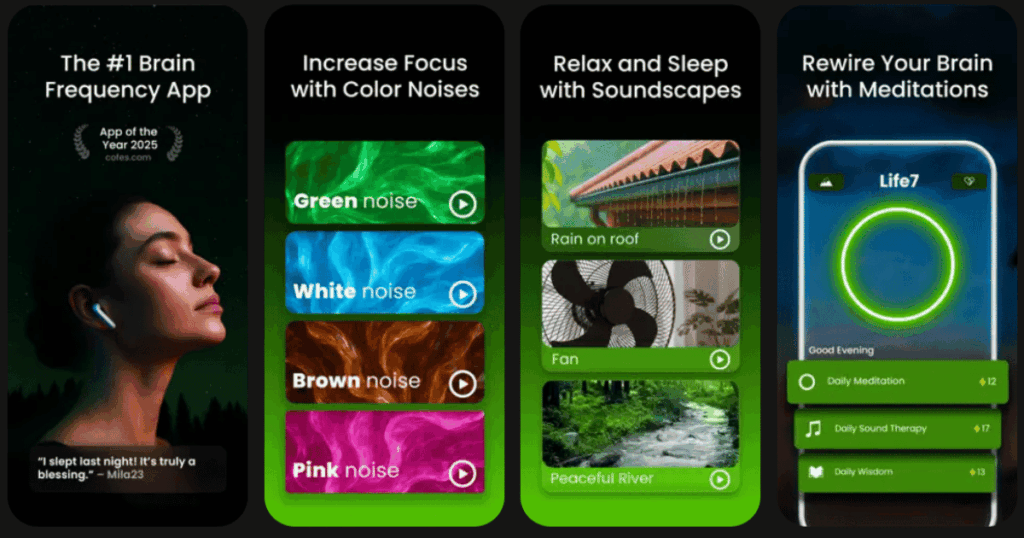
Life7 is a complete mental wellness app that covers everything a teenager might need. With over 1200 editorial mentions and 312 million meditation minutes logged, this app has proven itself as a trusted tool for mental health.
What makes Life7 special is its huge range of features. You get different types of noise (green, white, brown, pink) for focus and sleep. There are binaural beats and special frequency music like 432 Hz and 528 Hz. The app includes breathing exercises, SOS sessions for panic attacks, and hypnotherapy sessions.
Key Features:
- Daily meditation, music therapy, and wisdom sessions that update every day
- CBT, vagus nerve stimulation, and transcendental meditation all in one place
- Gamified approach where you earn XP and unlock new content
What I like: I love how Life7 brings together so many different tools in one app. The SOS sessions for anxiety and panic attacks are a lifesaver. The daily check-ins help you stay consistent. The gamified XP system makes meditation feel like a fun achievement rather than a chore. Plus, you can track your mood and save thoughts for the day.
What I don’t like: The free content is a bit limited. You really need the premium version to get the full experience. Some teens might find the many options overwhelming at first.
Pricing: 7-day free trial available. Weekly, monthly, and yearly plans offered. Frequent special offers.
Platforms: iOS and Android
#2. Headspace – Best for Guided Meditation Beginners
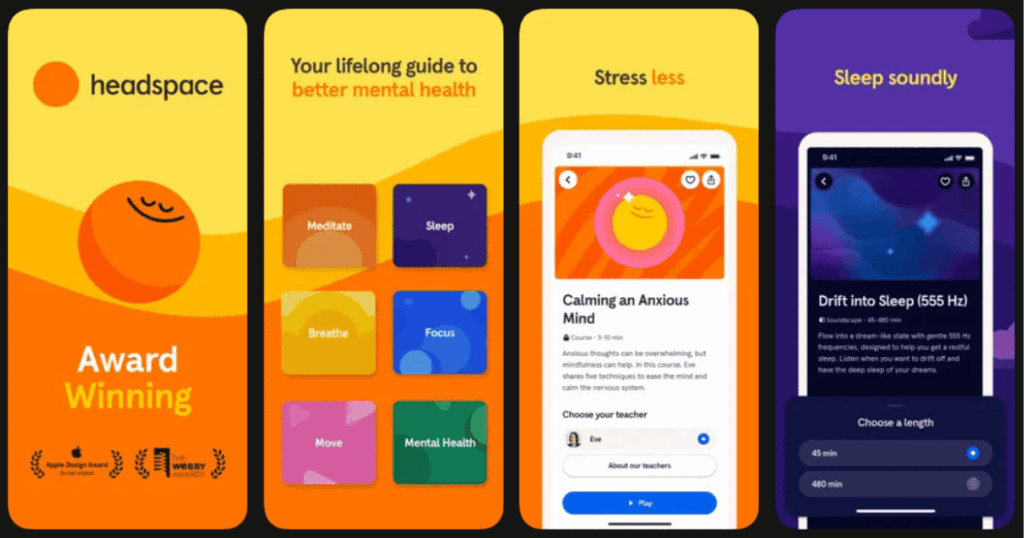
Headspace is one of the most well-known meditation apps in the world. It teaches you how to meditate step by step. The app uses a friendly design with animations that explain mindfulness concepts in simple ways.
Headspace is great for teens who have never meditated before. The courses start easy and slowly build your skills. Best of all, Headspace is now free for all US teens aged 13 to 18!
Key Features:
- Over 1,000 guided meditations covering stress, focus, and sleep
- Structured courses that teach meditation from scratch
- Sleep content including sleepcasts and relaxing sounds
What I like: The structured approach really helps beginners feel confident. I appreciate how the app breaks down meditation into bite-sized lessons. The “Mindfulness Minutes” are perfect for busy teens who only have a few minutes between classes. The sleep content is excellent too.
What I don’t like: The interface can feel a bit confusing to navigate. Without the free teen version, the subscription is pricey. The same meditation teachers can get repetitive over time.
Pricing: Free for US teens 13 to 18. Regular pricing includes monthly and yearly subscriptions with free trial periods.
Platforms: iOS and Android
#3. Calm – Best for Sleep and Relaxation
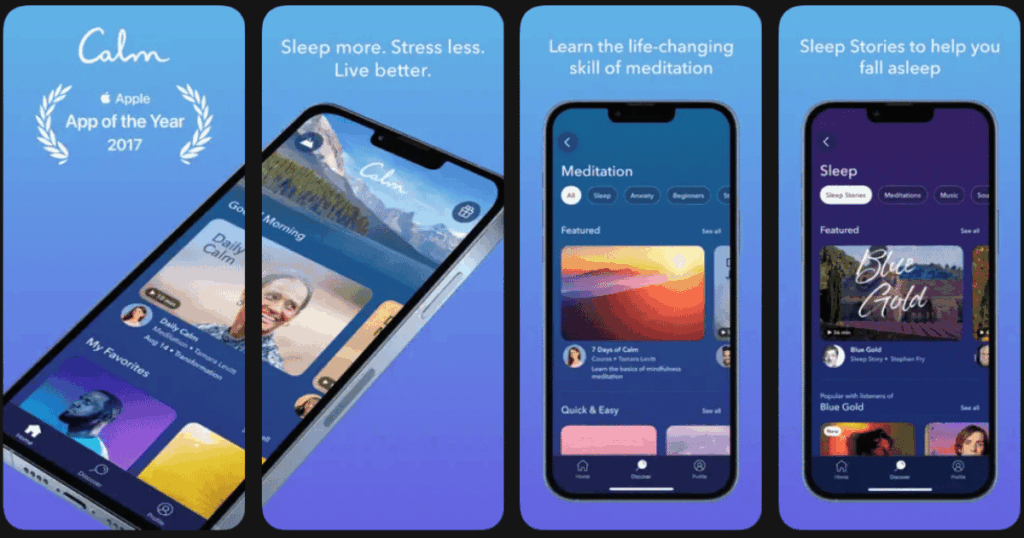
Calm is the number one app for sleep according to many rankings. It offers hundreds of Sleep Stories read by celebrities and authors. These bedtime stories help you drift off peacefully.
The app goes beyond just sleep. It has meditations for anxiety, stress, focus, and gratitude. Teens especially love the Daily Calm feature, which is a 10-minute meditation to start each day.
Key Features:
- Over 500 Sleep Stories for falling asleep faster
- Meditations organized by topic like anxiety and self-esteem
- Relaxing music and nature sounds
What I like: The Sleep Stories are genuinely amazing. There is something magical about being read to sleep as a teenager. The kid and teen sections have age-appropriate content that really connects with young people. The music section is dynamic and great for studying too.
What I don’t like: Most of the good features need a premium subscription. The price is higher than some competitors. The free version feels very limited compared to what you see advertised.
Pricing: Free tier with limited content. Premium subscription available monthly or yearly with free trial.
Platforms: iOS and Android
#4. Smiling Mind – Best for Budget-Friendly Mindfulness
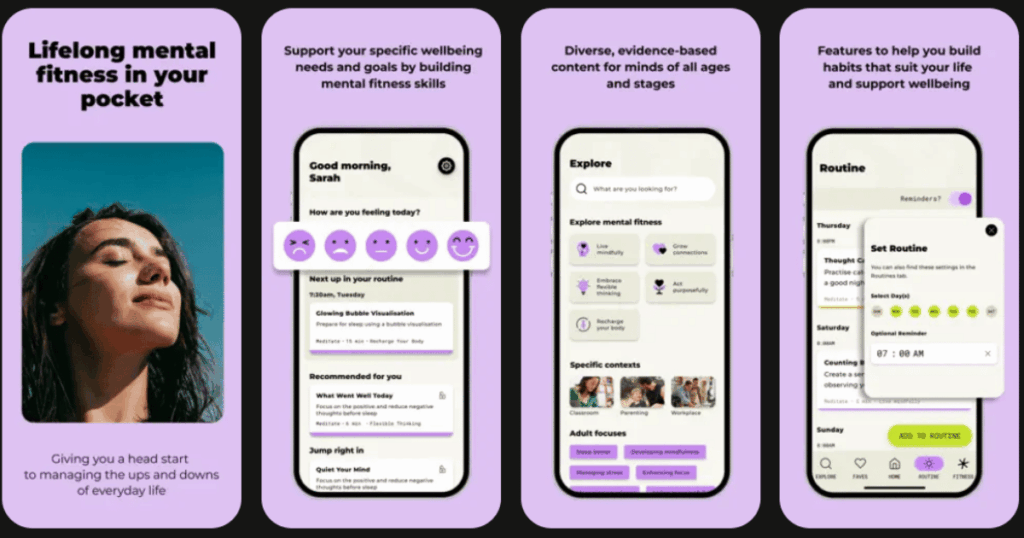
Smiling Mind is a 100% free meditation app made by a nonprofit organization. It was designed specifically for young people in Australia but works great for teens anywhere. The app has programs for different age groups from children to adults.
What sets Smiling Mind apart is its Mental Fitness Model. It focuses on five core skills: living mindfully, flexible thinking, growing connections, acting purposefully, and recharging your body.
Key Features:
- Over 700 sessions including meditations, videos, and learning modules
- Age-specific programs designed for teens and families
- Progress tracking and wellbeing check-ins
What I like: The fact that it is completely free is amazing. The quality matches paid apps easily. I love how the content is tailored for different ages. Teens get meditations about real issues like school stress and social situations. The dark mode is nice for nighttime use.
What I don’t like: The recent app redesign upset some long-time users. Some find the new interface less intuitive. Being Australia-based, a few cultural references might not connect with all teens.
Pricing: Completely free. No premium version or hidden costs.
Platforms: iOS and Android
#5. Happify – Best for Positive Psychology Games

Happify takes a unique approach to mental health. Instead of just meditation, it uses games and activities based on positive psychology and CBT. The app helps you break negative thought patterns and build happiness habits.
Teens often respond well to Happify because it feels less like therapy and more like playing games. You choose a “track” focused on goals like building confidence or conquering negative thoughts.
Key Features:
- Interactive games and quizzes based on CBT and positive psychology
- Over 30 different tracks for specific goals
- Community features to connect with others
What I like: The gamified approach makes mental health work feel fun. I appreciate that you can choose specific tracks for your needs. The games are actually engaging, not just educational. The bite-sized activities fit easily into a busy teen schedule.
What I don’t like: The free version is quite limited. The premium price is higher than similar apps. Some teens might find the games too simple or childish after using them for a while.
Pricing: Free version available with limited tracks. Premium costs monthly or yearly.
Platforms: iOS and Android
#6. Daylio – Best for Mood Tracking and Journaling

Daylio is a mood tracker that lets you journal without typing a single word. You simply tap icons to record how you feel and what you did. Over time, the app shows you patterns in your mood.
This app is perfect for teens who want to understand their emotions better but hate writing. The colorful interface and simple system make tracking easy and even fun.
Key Features:
- One-tap mood and activity tracking with icons
- Statistics and charts showing mood patterns
- “Year in Pixels” visual display of your entire year
What I like: The simplicity is brilliant. Even on your worst days, you can still log how you feel with a single tap. The statistics help you see connections between activities and moods. Discovering what makes you happy or sad is incredibly valuable. Privacy features keep your journal secure.
What I don’t like: It does not offer meditation or coping tools. You need premium for advanced statistics. Some teens might want more guidance on what to do with their mood data.
Pricing: Free version with basic features. Premium costs monthly or yearly.
Platforms: iOS and Android
#7. Sanvello – Best for CBT-Based Anxiety Support

Sanvello helps people dealing with stress, anxiety, and depression. The app uses proven CBT techniques through courses, journaling, and mindfulness exercises. Many health insurance plans now cover premium access.
The Guided Journeys feature walks you through specific challenges with expert guidance. You also get a supportive community where you can connect anonymously with others.
Key Features:
- CBT-based courses and tools for anxiety and depression
- Anonymous community support and discussion groups
- Mood tracking with personalized activity suggestions
What I like: The combination of tools is impressive. You get meditation, CBT exercises, and community support all in one app. The Guided Journeys with experts like John Green feel personal and engaging. Insurance coverage makes premium accessible to more teens.
What I don’t like: The sheer number of features can feel overwhelming. Some community areas are more active than others. The app was recently acquired so the experience may change.
Pricing: Free version with popular tools. Premium through subscription or health insurance coverage.
Platforms: iOS and Android
#8. Calm Harm – Best for Managing Self-Harm Urges
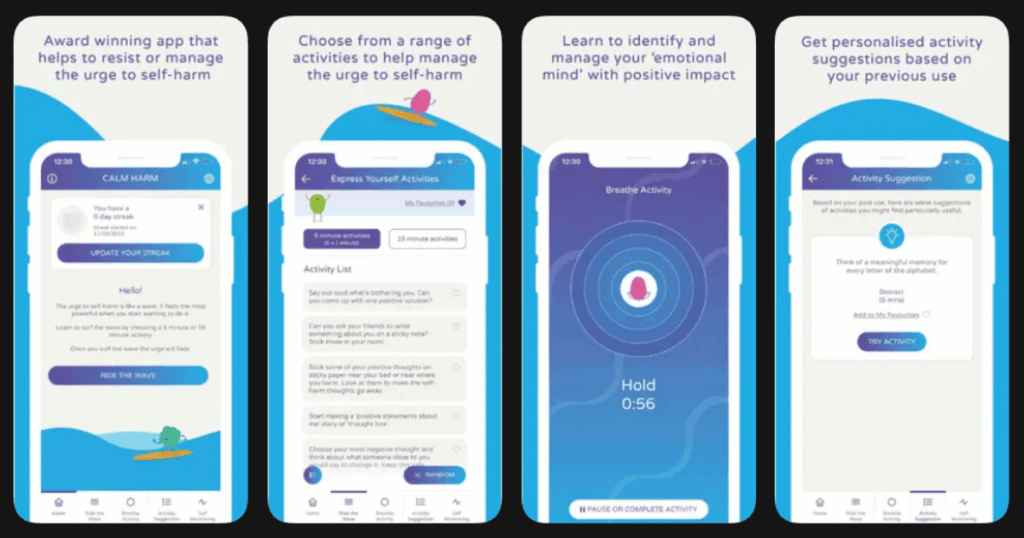
Calm Harm was created specifically to help teens resist self-harm urges. Developed by a clinical psychologist, it uses DBT (Dialectical Behavior Therapy) principles. Over 2 million people have used this award-winning app.
The app treats urges like waves that build, peak, and then fade. Activities help you “ride the wave” until the urge passes. Categories include Comfort, Distract, Express Yourself, Release, and Breathe.
Key Features:
- DBT-based activities to redirect self-harm urges
- Journaling to track triggers and progress
- Breathing exercises for emotional regulation
What I like: This app literally saves lives. The activities are practical and actually work in crisis moments. I appreciate how users can hide activities that do not help them and favorite ones that do. The streak tracking motivates continued progress. It is completely free with no paywalls.
What I don’t like: The app focuses only on self-harm, so teens need other apps for general mental health. The password requirement can be frustrating in urgent moments. Some wish there were more interactive features.
Pricing: Completely free.
Platforms: iOS and Android
#9. Finch – Best for Gamified Self-Care
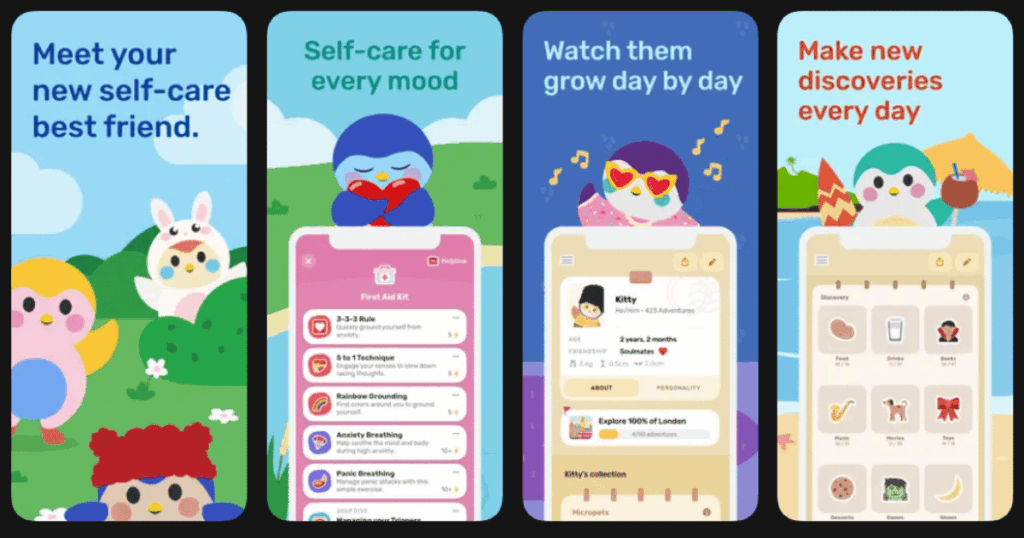
Finch turns self-care into a fun game where you raise a virtual pet bird. By completing daily wellness tasks, you help your Finch grow and explore the world. This approach works especially well for teens who love games.
The app encourages small daily habits like drinking water, stretching, or practicing gratitude. Your Finch celebrates your achievements and sends encouraging messages.
Key Features:
- Virtual pet that grows as you complete self-care tasks
- Customizable daily goals and activities
- Breathing exercises and reflection prompts
What I like: The virtual pet concept is genius. Teens who struggle with self-care find motivation in caring for their Finch. The goals are realistic and customizable. The app feels warm and encouraging rather than clinical. Watching your bird grow is genuinely rewarding.
What I don’t like: Some find the concept too childish for older teens. The premium version adds features that feel important. The gamification might distract from deeper mental health work.
Pricing: Free version available. Premium subscription adds extra features.
Platforms: iOS and Android
Are Mental Health Apps Safe for Teenagers?
Most reputable mental health apps are safe for teenagers to use. Apps like the ones on this list have been developed with input from mental health professionals. Many are built to NHS standards or have clinical research supporting them.
However, parents and teens should check privacy policies. Look for apps that do not share personal data with advertisers. Apps that store data locally on your device (like Daylio) offer extra privacy. Remember that apps are tools, not replacements for professional help when needed.
Can Mental Health Apps Replace Therapy for Teens?
Mental health apps cannot fully replace professional therapy. They work best as support tools alongside treatment or for managing mild stress and anxiety. Apps teach valuable skills like breathing techniques and CBT strategies.
For moderate to severe mental health concerns, teens should see a qualified professional. Many therapists actually recommend apps as homework between sessions. The best approach combines professional guidance with app-based practice and skill-building.
How Do I Choose the Right Mental Health App for My Teen?
Start by identifying your teen’s specific needs. For general wellness and multiple tools, try Life7. For learning meditation basics, Headspace works great. If sleep is the main concern, Calm excels. Budget-conscious families should try Smiling Mind since it is free.
Let your teen try a few options since personal preference matters. Most apps offer free trials or free versions to test. Consider whether your teen prefers guided content, games, tracking, or community features. The best app is one they will actually use consistently.