9 Best Mental Health Apps For Disabled People
| App Name | Best For | Key Features | AC Rating | Pricing |
|---|---|---|---|---|
| Life7 | All in one mental wellness | Binaural beats, CBT tools, sleep stories, meditation | 4.8/5 | Free trial, then subscription |
| Calm | Sleep and relaxation | Celebrity sleep stories, meditation, nature sounds | 4.7/5 | Free basic, premium subscription |
| Headspace | Beginners learning meditation | Guided courses, animations, accessibility features | 4.6/5 | Free trial, then subscription |
| Insight Timer | Free meditation library | 220,000+ free meditations, live events, community | 4.7/5 | Free with optional premium |
| BetterHelp | Online therapy access | Licensed therapists, multiple communication options | 4.5/5 | Subscription based |
| Wysa | AI mental health support | CBT chatbot, voice control, dark mode | 4.6/5 | Free basic, premium available |
| Woebot | CBT based daily check ins | Mood tracking, journaling, 24/7 availability | 4.4/5 | Free with access code |
| Bearable | Chronic illness tracking | Symptom tracking, medication reminders, reports | 4.8/5 | Free with optional premium |
| Sanvello | CBT skill building | Guided journeys, community support, mood tracking | 4.5/5 | Free basic, premium subscription |
#1. Life7 – Best for All in One Mental Wellness
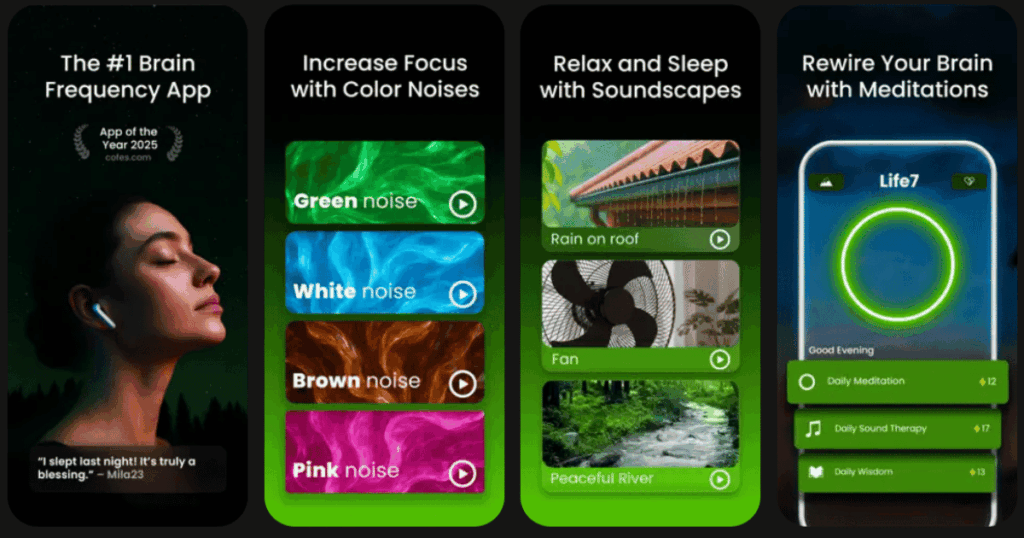
Life7 is my top pick for disabled people looking for complete mental health support. This app combines so many helpful tools in one place. It has everything from guided meditations to sleep stories to breathing exercises.
What makes Life7 special is how it uses science to help you feel better. The app includes binaural beats and solfeggio frequencies that can calm your mind. You can also find green noise, white noise, and brown noise to block out distractions. For anyone dealing with pain or anxiety, the SOS sessions are a lifesaver.
Key Features:
- Cognitive behavioral therapy tools, hypnotherapy, and vagus nerve stimulation for deep healing
- Multiple sound options including 8D audio, ASMR, and Buddhist sound therapy
- Daily check ins with new meditation, music therapy, and wisdom sessions each day
What I like: I love how Life7 gives you so many ways to relax and heal. The backdrop mode lets you mix soundscapes with meditations. This is perfect when I need something custom for my mood. The gamified approach keeps me coming back. Earning XP and unlocking new content makes wellness feel like fun instead of work. The streak tracking helps me stay consistent with my practice.
What I don’t like: The free content is a bit limited. You need to pay to unlock the full library of sounds and sessions. This might be hard if you are on a tight budget.
Pricing: Life7 offers a 7 day free trial. After that, you can choose from weekly, monthly, or yearly plans. They often have special offers available.
Platforms: iOS and Android
#2. Calm – Best for Sleep and Relaxation
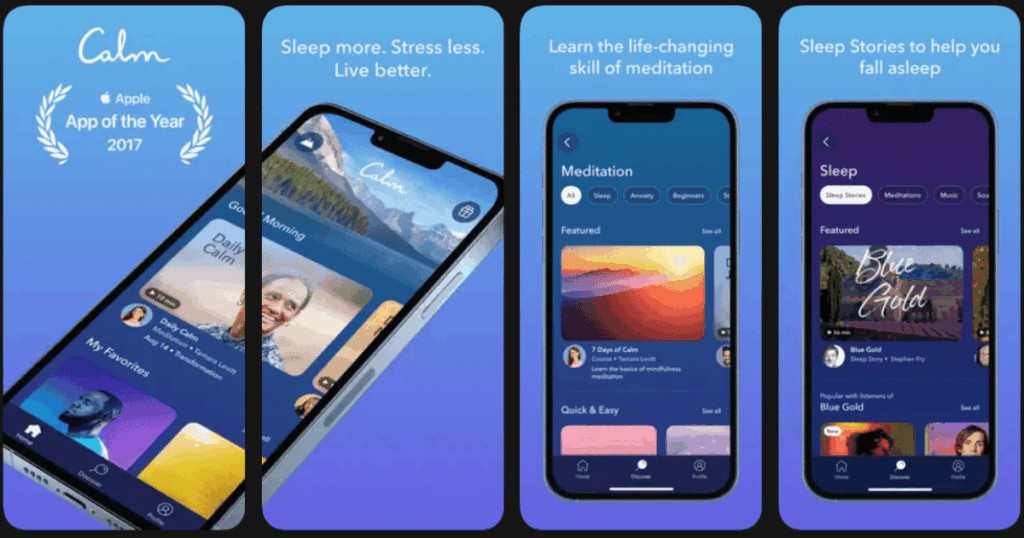
Calm is one of the most popular meditation apps out there. It focuses on helping you sleep better and feel more relaxed. The app has a huge library of sleep stories read by famous voices.
Calm is committed to making their platform accessible through partnership with Level Access. They use accessibility technology to evaluate their app for people with disabilities. This means screen readers and other tools work well with the app.
Key Features:
- Celebrity narrated sleep stories from voices like Matthew McConaughey and Harry Styles
- Daily calm meditations that change each day for fresh content
- Nature sounds and music designed for relaxation and focus
What I like: The sleep stories are absolutely wonderful. I can pick from hundreds of stories to help me drift off. The app lets me adjust how loud the background sounds are during meditation. Calm excels in providing tools for better sleep and relaxation. The diverse content and user friendly design make it a top choice for improving mental well being.
What I don’t like: Calm only earned a 2 out of 5 rating for extra features. They have streaks and tracking systems, but that’s about it. The app can also feel overwhelming with all the options if you prefer simple guidance.
Pricing: Free basic version with limited content. Premium subscription unlocks all features.
Platforms: iOS and Android
#3. Headspace – Best for Beginners Learning Meditation
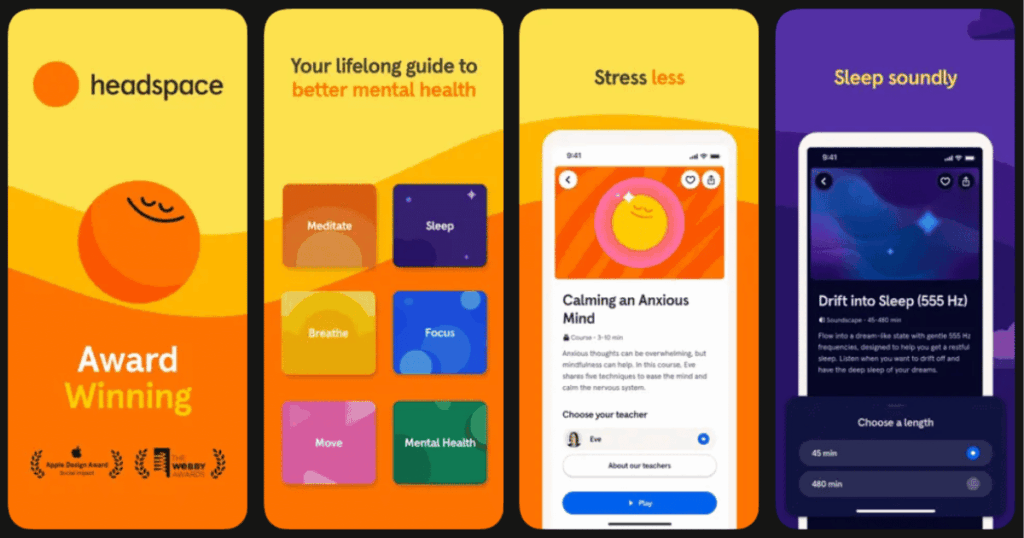
Headspace is perfect if you are new to meditation. They are committed to making their mobile products more accessible for every person regardless of visual, auditory, cognitive, or motor abilities. They partnered with Perkins Access to ensure their platform conforms to accessibility guidelines.
The app uses bright animations to teach meditation concepts. This makes learning feel easy and fun. The courses start simple and get deeper as you progress.
Key Features:
- Animated videos that explain meditation techniques in simple ways
- Structured courses for beginners with clear progression paths
- Sleep content including sleepcasts and wind down exercises
What I like: The beginner level meditations are nice because they are short and sweet. The voice talks consistently so you have something to focus on other than your racing thoughts. Headspace received a near perfect pricing rating and a 5 out of 5 for instruction quality. The app really knows how to guide newcomers gently into meditation practice.
What I don’t like: With no options for subtitles or transcripts, Headspace does not quite offer the same experience for people with auditory disabilities. This is something they should improve for deaf or hard of hearing users.
Pricing: Free trial available. Then monthly or annual subscription required.
Platforms: iOS and Android
#4. Insight Timer – Best for Free Meditation Library
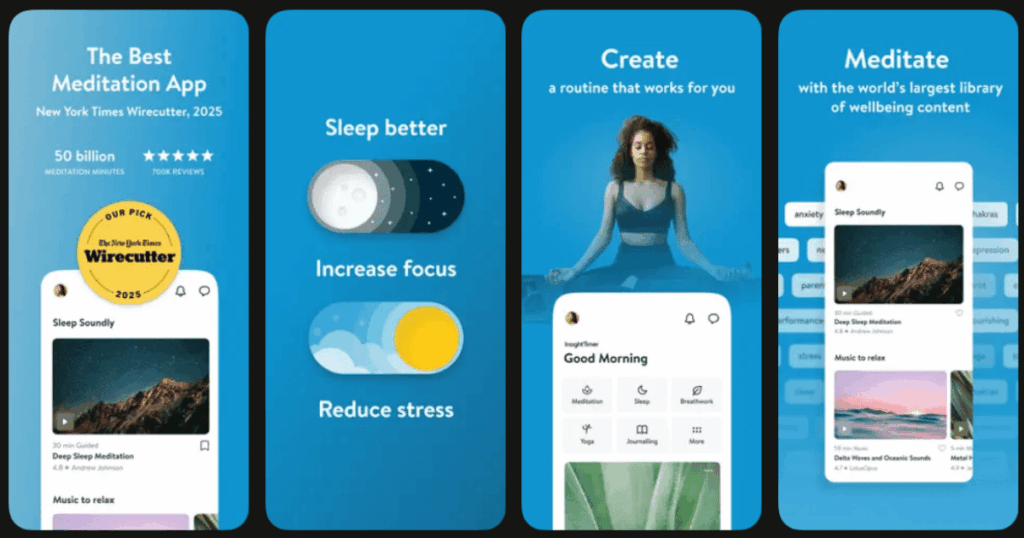
Insight Timer has the largest free library of any meditation app. It offers over 220,000 guided meditations freely available. This broad access democratizes mental health resources allowing anyone to begin their journey without financial barriers.
Insight Timer is committed to making their website content accessible and user friendly to everyone. You can contact their team if you find any features that are not fully accessible.
Key Features:
- Over 220,000 free guided meditations from thousands of teachers worldwide
- Live events including yoga sessions, workshops, and group meditations
- Mood tracking and customizable meditation timer with ambient sounds
What I like: The app is an accessible tool that helps people build calming routines and create mental clarity. It provides a free and ad free experience with an extensive library. I love that I can follow my favorite teachers and get updates when they add new content. The community aspect makes me feel less alone in my practice.
What I don’t like: The huge amount of content can feel overwhelming at first. There are currently more than 220,000 free features available and the sheer amount of content can be a lot to navigate. Finding what works for you takes some trial and error.
Pricing: Most content is completely free. Optional premium membership adds courses and extra features.
Platforms: iOS and Android
#5. BetterHelp – Best for Online Therapy Access

BetterHelp connects you with licensed therapists from your phone. This is great for disabled people who have trouble leaving home. You can launch the accessibility preferences interface by pressing Alt+9. Screen reader adjustments can be turned on by pressing Alt+1.
BetterHelp’s messaging component provides continuous access to therapeutic support between scheduled sessions. This ongoing accessibility can be valuable for individuals dealing with acute mental health challenges.
Key Features:
- Access to over 30,000 licensed therapists including psychologists and counselors
- Multiple ways to communicate through video, phone, chat, or messaging
- Flexible scheduling that works around your needs and energy levels
What I like: Users can access therapy from anywhere with an internet connection. This makes it easier for those who might struggle to find local resources or have mobility issues. I appreciate that you can switch between video calls and text messaging based on how you feel each day.
What I don’t like: BetterHelp is not equipped to handle crises or emergencies effectively. Individuals experiencing severe mental health crises may require immediate intervention that online platforms cannot provide. The cost can also add up over time.
Pricing: Subscription based pricing that varies by location and needs. Financial assistance available for some users.
Platforms: iOS and Android
#6. Wysa – Best for AI Mental Health Support

Wysa uses a friendly penguin chatbot to provide emotional support. The app was built with accessibility in mind. They use iOS VoiceControl to enable navigation through the app by voice. This helps people with motor control impairment use the app comfortably. Users can also change from light to dark theme to reduce eye strain.
Based on user selection at the operating system level, font size changes and display size changes work in the app. Their audio and video tools have captions available.
Key Features:
- AI chatbot trained on CBT, mindfulness, and behavioral therapy techniques
- Over 200 self care tools for anxiety, depression, sleep, and stress
- Option to connect with human wellbeing coaches for extra support
What I like: Wysa coaches are available across a wide range of time zones. The waiting time for sessions is just a couple of hours. They ensure users can receive help when in distress on time. The penguin character makes mental health support feel less clinical and more approachable.
What I don’t like: Wysa is not designed to assist with crises. It is not suitable for use by those with severe and enduring mental health problems. The chatbot can also feel repetitive after extended use.
Pricing: Free basic version with chatbot access. Premium subscription adds more tools and coach sessions.
Platforms: iOS and Android
#7. Woebot – Best for CBT Based Daily Check ins

Woebot is a smart chatbot that uses cognitive behavioral therapy every day. The app incorporates elements compatible with screen readers and other assistive technologies. Some core features remain accessible even without internet connection.
More than 1.5 million people have talked to Woebot about things including anxious mood, loneliness, sleep problems, sadness, grief, and coping with sickness or chronic pain.
Key Features:
- Daily check ins that guide you through CBT techniques in short conversations
- Mood tracking and progress reflection to see patterns over time
- Gratitude journaling and mindfulness practice built into the experience
What I like: Woebot is available 24/7 with 77% of conversations happening outside standard working hours. This is perfect for nights when anxiety keeps me awake. The science backed approach has been validated through multiple clinical trials which gives me confidence it actually helps.
What I don’t like: You need an access code from your provider, employer, or Woebot Health partner to download the app. This limits who can easily access it. The chatbot also cannot replace human therapy for serious issues.
Pricing: Free for individual users with access code. Enterprise solutions available for organizations.
Platforms: iOS and Android
#8. Bearable – Best for Chronic Illness Tracking
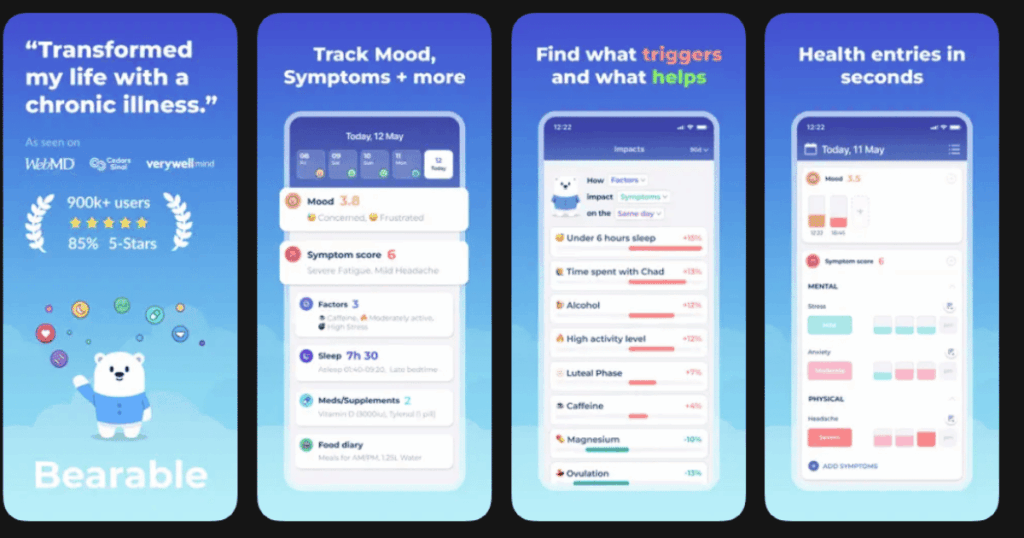
Bearable was created by someone living with chronic health issues. It was made with feedback from thousands of people with mental and physical health conditions including anxiety, depression, chronic fatigue, multiple sclerosis, and more. They aim to make the symptom tracker simple and accessible even for people suffering from fatigue and brain fog.
Key Features:
- Track symptoms, mood, medications, and habits all in one customizable app
- Correlation reports that show how different factors affect your health
- Easy sharing of data with doctors and therapists for better appointments
What I like: Over 900,000 people are securely managing their chronic illnesses, migraines, pain, fatigue, mood, and mental health with Bearable. The app helps me remember everything I want to tell my doctor. Seeing patterns in my health data has helped me make better choices about my self care.
What I don’t like: There is a lot to set up at the start. Customizing all your symptoms and factors takes time. The app can also feel like homework on days when you are really struggling with energy.
Pricing: Free version includes core tracking features. Premium subscription adds advanced reports and unlimited history.
Platforms: iOS and Android
#9. Sanvello – Best for CBT Skill Building

Sanvello helps people struggling with stress, anxiety, or depression using mindfulness and cognitive behavioral therapy skills. The app’s guided meditations, journals, and courses help you learn and practice useful CBT skills.
Sanvello is user friendly and intuitive with good user experience and appropriate privacy and data security measures.
Key Features:
- Guided Journeys that teach CBT skills through audio lessons and activities
- Mood tracking with personalized insights based on your patterns
- Community support through discussion boards and chat groups
What I like: Through weekly check ins Sanvello creates a roadmap for improvement. You can track where you are, set goals, and make strides week by week. Over 60% of Sanvello self care users feel better in 30 days as shown by weekly assessments. The combination of learning and community support keeps me motivated.
What I don’t like: The coaching assistance is not always worth the price tag. Some users felt they got an assistant to help navigate the app rather than specific advice for their situation.
Pricing: Free basic version available. Premium costs around $8.99 monthly or $53.99 yearly. Some insurance plans cover access.
Platforms: iOS and Android
What Are the Best Free Mental Health Apps for Disabled People?
If cost is a concern, several great options offer free features. Insight Timer leads the pack with over 220,000 free meditations. Bearable offers solid free tracking without ads.
Wysa lets you chat with the AI penguin for free. Life7 offers a free trial to explore before committing. Sanvello also has a free version with basic CBT tools and community access. Many apps accept insurance which can make premium features free for some users.
How Do I Choose the Right Mental Health App for My Disability?
Think about what you need most. If you struggle with sleep, Calm or Life7 offer excellent sleep stories and sounds. If you need daily structure, Woebot provides consistent check ins. For chronic illness, Bearable helps track symptoms alongside mood. Consider accessibility features too.
Apps like Wysa and Headspace have invested in screen reader support and voice control. Try free versions first to see what feels comfortable before paying for premium.
Can Mental Health Apps Replace Therapy for Disabled People?
Mental health apps work best alongside professional care rather than replacing it. They give you tools to use between therapy sessions. Apps like BetterHelp do connect you with real therapists. But for serious mental health crises, apps are not enough. Think of these apps as helpful additions to your wellness toolkit. They build skills and provide support when human help is not available.
Accessibility considerations for mental health apps should help ensure that an app can perform the same functions, achieve the same outcomes, and require the same amount of time and effort for those with or without disabilities. The right app can make managing your mental health easier every day.