9 Best Meditation Apps For Trauma
| App Name | Best For | Key Features | AC Rating | Pricing |
|---|---|---|---|---|
| Life7 | Complete trauma healing toolkit | Nervous system reset, vagus nerve stimulation, SOS panic sessions | 4.8/5 | Free trial, then subscription |
| Insight Timer | Free trauma meditations | Huge free library, trauma-specific courses, community support | 4.6/5 | Free with premium option |
| Calm | Guided trauma recovery | Sleep stories, breathing exercises, masterclasses | 4.5/5 | Free trial, then subscription |
| Headspace | Structured trauma programs | Bite-sized sessions, animations, focus music | 4.4/5 | Free trial, then subscription |
| PTSD Coach | Veterans and PTSD support | Self-assessment tools, coping strategies, crisis resources | 4.5/5 | Completely free |
| Breethe | Gentle trauma processing | Hypnotherapy, sleep support, daily guidance | 4.3/5 | Free trial, then subscription |
| Ten Percent Happier | Skeptics healing from trauma | Expert-led courses, coaching, practical approach | 4.4/5 | Free trial, then subscription |
| Smiling Mind | Youth trauma support | Age-specific programs, classroom tools, family sessions | 4.3/5 | Completely free |
| Simple Habit | Busy trauma survivors | 5-minute sessions, situation-based meditations, offline access | 4.2/5 | Free trial, then subscription |
#1. Life7 – Best for Complete Trauma Healing Toolkit
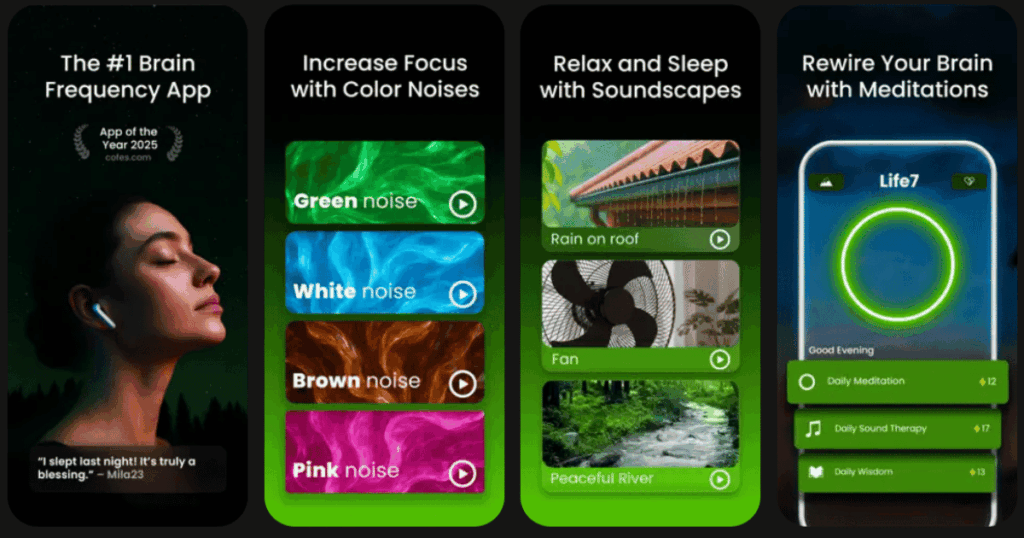
Life7 stands out as my top pick for trauma recovery. This all-in-one mental wellness app offers everything you need to heal from difficult experiences.
What makes it special is the variety. You get nervous system reset sessions, vagus nerve stimulation, and SOS tools for panic attacks. The app combines meditation with science-backed approaches like CBT and hypnotherapy.
With over 312 million meditation minutes logged by users, Life7 has helped countless people find peace. The app receives fresh content daily, so you never run out of healing tools to explore.
Key Features:
- Nervous system reset and vagus nerve stimulation for trauma release
- SOS sessions designed specifically for anxiety and panic attacks
- Hypnotherapy and CBT tools for deep emotional healing
What I like: I love how Life7 tackles trauma from multiple angles. The combination of binaural beats, breathing exercises, and guided sessions creates a complete healing experience. The gamified approach keeps me motivated. Earning XP and building streaks makes meditation feel rewarding. The backdrop mode lets me mix calming soundscapes with guided sessions, which helps me relax faster.
What I don’t like: The free version is a bit limited. You really need the subscription to access the best trauma healing content. But the 7-day free trial lets you test everything first.
Pricing: 7-day free trial available. Weekly, monthly, and yearly plans offered with frequent special deals.
Platforms: iOS and Android
#2. Insight Timer – Best for Free Trauma Meditations
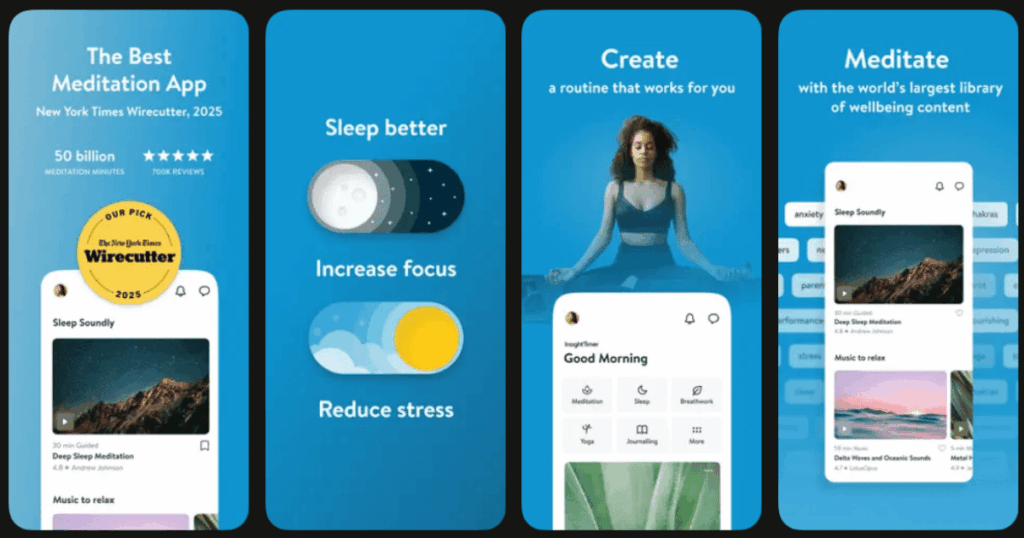
Insight Timer offers the largest free library of meditations I have found. With over 100,000 guided sessions, finding trauma-specific content is easy.
The app connects you with teachers from around the world. Many specialize in trauma healing, PTSD recovery, and emotional processing. You can join live events and connect with a supportive community of fellow meditators.
The courses section includes multi-day programs focused on healing from difficult experiences. These structured paths help you work through trauma step by step.
Key Features:
- Massive free library with thousands of trauma-focused meditations
- Live events and community groups for shared healing
- Courses from trauma specialists and therapists
What I like: The sheer amount of free content amazes me. I can explore different trauma healing approaches without spending money. The community feature helps me feel less alone in my healing journey. Teachers respond to comments, which creates real connection.
What I don’t like: Finding the best content takes time because there is so much to sort through. Quality varies since anyone can upload meditations. The app can feel overwhelming at first.
Pricing: Core features free forever. Premium subscription unlocks offline access and advanced features.
Platforms: iOS and Android
#3. Calm – Best for Guided Trauma Recovery
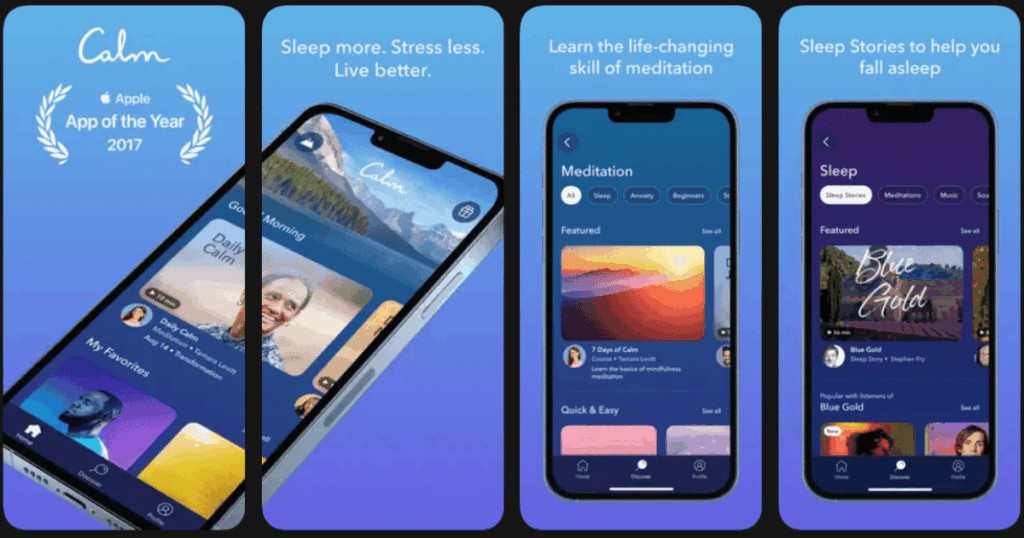
Calm has become one of the most popular meditation apps for good reason. The production quality is excellent, and the trauma-related content feels professionally crafted.
The app features sleep stories narrated by famous voices. These help quiet racing thoughts at bedtime, which many trauma survivors struggle with.
Breathing exercises and body scans guide you through releasing tension stored in your body. The Daily Calm provides a fresh meditation every day to build consistent practice.
Key Features:
- High-quality sleep stories for better rest
- Breathing exercises designed to calm the nervous system
- Masterclasses on stress, anxiety, and emotional health
What I like: The polish and quality shine through in every session. Sleep stories have transformed my bedtime routine. I used to lie awake with anxious thoughts. Now I drift off peacefully. The breathing exercises are simple but effective for moments of overwhelm.
What I don’t like: The subscription price is higher than some competitors. Also, the app focuses more on general wellness than trauma specifically. You might need to search harder for trauma-focused content.
Pricing: Limited free content. Subscription required for full library access with free trial available.
Platforms: iOS and Android
#4. Headspace – Best for Structured Trauma Programs
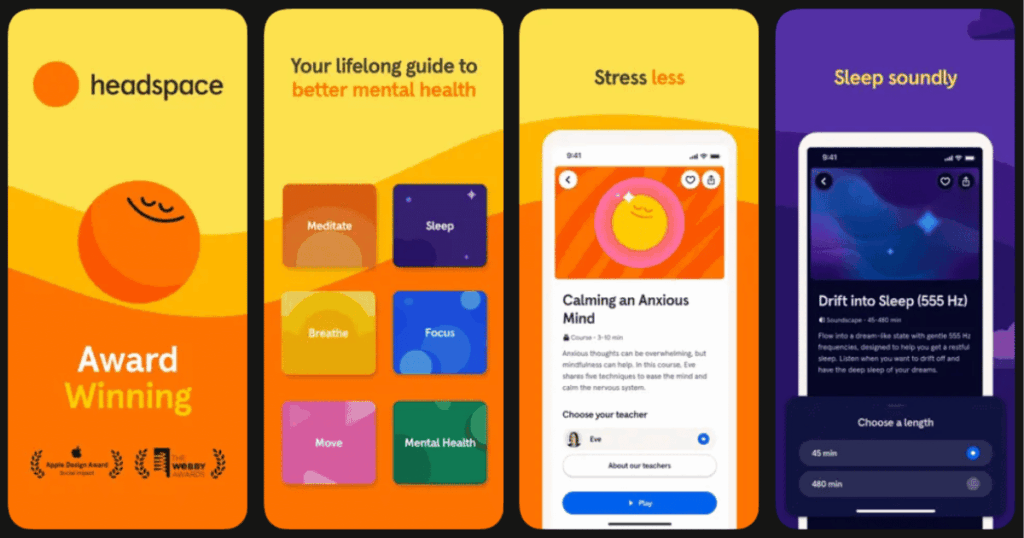
Headspace takes a friendly, approachable angle to meditation. The cute animations explain concepts in ways that feel accessible and non-intimidating.
The app organizes content into courses and collections. You can find specific programs for managing anxiety, processing difficult emotions, and building resilience.
Sessions come in various lengths. Even on busy days, you can fit in a quick 3-minute breathing exercise. The focus music helps you stay present during work or daily tasks.
Key Features:
- Animated explanations that make meditation concepts clear
- Structured courses that build skills progressively
- Flexible session lengths from 3 to 20 minutes
What I like: I appreciate how Headspace breaks things down simply. The animations helped me understand why meditation helps trauma recovery. The structure keeps me on track. I know exactly what to do each day without decision fatigue.
What I don’t like: The playful tone might not suit everyone dealing with serious trauma. Some people prefer a more serious approach. The library is smaller than some other apps too.
Pricing: Free basics plan available. Full access requires subscription with trial period.
Platforms: iOS and Android
#5. PTSD Coach – Best for Veterans and PTSD Support
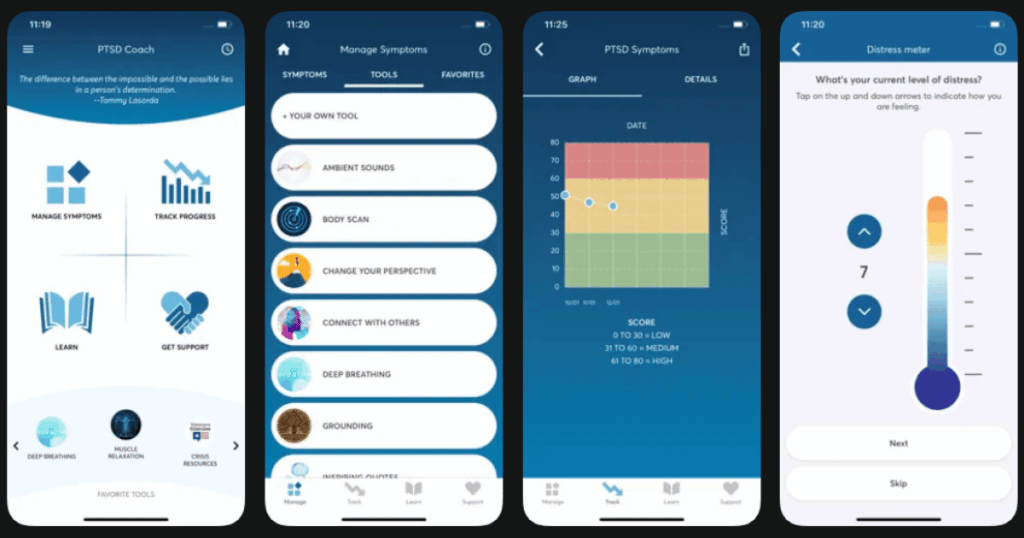
The U.S. Department of Veterans Affairs created PTSD Coach specifically for trauma survivors. It is completely free with no hidden costs or subscriptions.
The app includes self-assessment tools to track your symptoms over time. You can identify triggers and monitor your progress.
Crisis resources connect you with immediate help when needed. The coping tools section offers practical strategies for managing flashbacks, nightmares, and anxiety.
Key Features:
- Professional PTSD symptom tracking and assessment
- Direct links to crisis support and hotlines
- Evidence-based coping strategies for trauma symptoms
What I like: Having an app designed by trauma experts feels reassuring. The self-assessment helped me understand my symptoms better. Crisis resources are just a tap away during difficult moments. Being completely free makes it accessible to everyone who needs help.
What I don’t like: The design feels a bit clinical and dated compared to commercial apps. The meditation content is more limited than dedicated meditation apps. It works best alongside other resources.
Pricing: Completely free with no subscriptions or in-app purchases.
Platforms: iOS and Android
#6. Breethe – Best for Gentle Trauma Processing
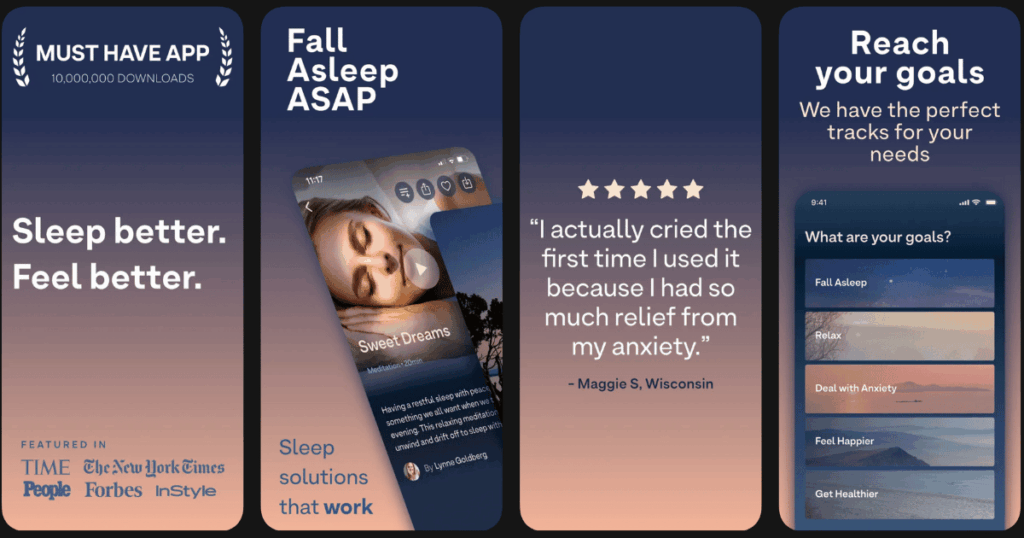
Breethe offers a soft, nurturing approach to meditation. The voice and pacing feel gentle, which matters when dealing with trauma.
The app includes hypnotherapy sessions for deeper healing work. Sleep support features help with the insomnia that often accompanies trauma.
Daily coaching provides personalized guidance based on how you are feeling. The content updates regularly with new sessions to explore.
Key Features:
- Hypnotherapy sessions for subconscious healing
- Comprehensive sleep support with stories and sounds
- Daily personalized recommendations based on your needs
What I like: The gentle approach helps me feel safe while meditating. Hypnotherapy sessions have helped me access emotions I struggled to reach otherwise. The daily recommendations save time deciding what to practice. Sleep content has genuinely improved my rest.
What I don’t like: The library is smaller than big competitors like Calm or Insight Timer. Some advanced features require the premium subscription to access. The app could use more variety in teacher voices.
Pricing: Free trial available. Subscription needed for full content access.
Platforms: iOS and Android
#7. Ten Percent Happier – Best for Skeptics Healing from Trauma
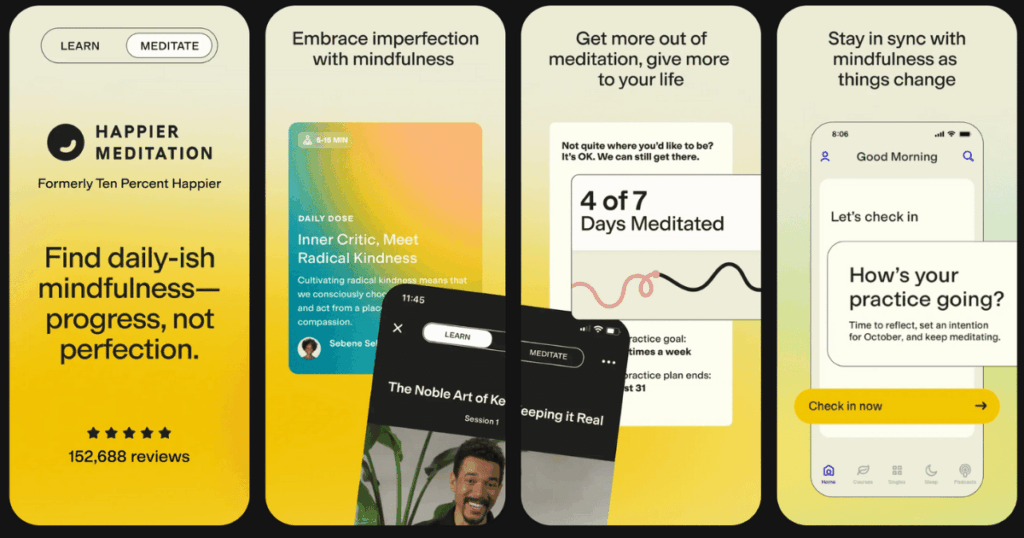
Ten Percent Happier takes a practical, no-nonsense approach to meditation. It appeals to people who find spiritual language off-putting.
The app features courses taught by respected meditation teachers and therapists. Content addresses real challenges like dealing with difficult emotions and building resilience.
Coaching options connect you with real humans for personalized guidance. The podcast and video content add depth to the meditation practice.
Key Features:
- Practical approach without spiritual jargon
- Courses led by renowned meditation experts
- Optional coaching for personalized support
What I like: I appreciate the realistic tone. The app does not promise miracles. It offers evidence-based tools that actually work. Expert teachers explain the science behind practices. The coaching option provides real human support when I need it most.
What I don’t like: The subscription is pricier than many alternatives. The straightforward approach might feel cold to some people. Less variety in background sounds and music compared to other apps.
Pricing: Free trial period. Premium subscription required for full library and coaching.
Platforms: iOS and Android
#8. Smiling Mind – Best for Youth Trauma Support
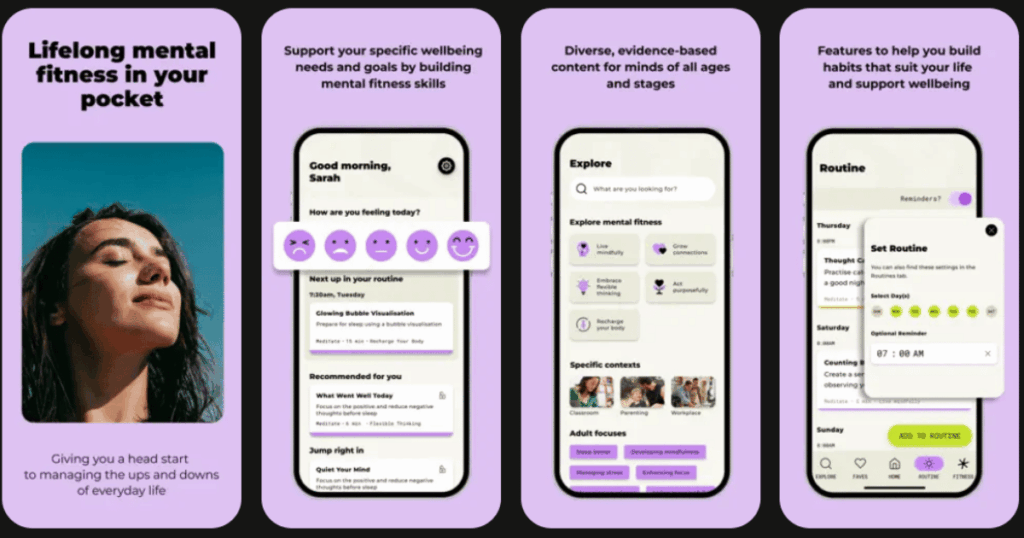
Smiling Mind was developed by psychologists and educators in Australia. The app offers age-specific programs from kids to adults.
Family meditation options let parents and children practice together. This helps create safe spaces for processing difficult experiences.
The app is completely free, supported by nonprofit funding. Schools use it widely, making it familiar to many young people.
Key Features:
- Age-appropriate programs from early childhood through adulthood
- Family and classroom meditation options
- Developed by mental health professionals
What I like: Having content designed for different ages is brilliant. Young trauma survivors need different approaches than adults. The family sessions help me connect with my kids around emotional wellness. Being free makes it accessible to everyone regardless of income.
What I don’t like: The content feels more basic than premium apps. Adults might find it less engaging over time. The Australian voices and references might feel unfamiliar to some users.
Pricing: Completely free nonprofit app.
Platforms: iOS and Android
#9. Simple Habit – Best for Busy Trauma Survivors

Simple Habit focuses on fitting meditation into hectic schedules. Most sessions last just 5 minutes, making them easy to squeeze in.
The app organizes meditations by situation. You can find sessions for commuting, work breaks, or before difficult conversations.
Offline access lets you download sessions for times without internet. This ensures your tools are always available when you need them.
Key Features:
- 5-minute sessions designed for busy lifestyles
- Situation-based meditation categories
- Offline access for meditations anytime
What I like: Short sessions removed my excuses for skipping practice. I can meditate during lunch breaks or before stressful meetings. The situation-based approach helps me find exactly what I need quickly. Downloading sessions means I always have support available.
What I don’t like: Deeper trauma work often needs longer sessions than 5 minutes. The brevity sometimes feels rushed. The library is smaller than major competitors.
Pricing: Limited free content. Subscription unlocks full library with free trial.
Platforms: iOS and Android
Can Meditation Apps Really Help with Trauma?
Yes, meditation apps can genuinely support trauma recovery. Research shows that mindfulness practices help regulate the nervous system and reduce trauma symptoms.
Apps make professional-quality guidance accessible anytime. You can practice in safe environments at your own pace. Features like breathing exercises activate the parasympathetic nervous system, which calms the fight-or-flight response.
However, apps work best alongside professional support. Severe trauma often needs therapy with a trained specialist. Think of meditation apps as one tool in your healing toolkit.
Many apps offer trauma-specific content designed by psychologists. Look for features like nervous system regulation, grounding exercises, and gentle body awareness practices.
What Features Should I Look for in a Trauma Meditation App?
The best trauma meditation apps include specific features for healing. Look for nervous system regulation tools like vagus nerve exercises and breathing techniques. These directly address how trauma affects your body.
SOS or emergency sessions help during flashbacks or panic attacks. Having immediate support matters during difficult moments.
Sleep features address the insomnia many trauma survivors experience. Bedtime stories and calming sounds create safer nights.
Variety in approaches helps too. Some days you might need gentle guidance. Other days, active techniques work better. Apps like Life7 offer multiple modalities including hypnotherapy, CBT, and traditional meditation.
Finally, consider the voices and tones. Trauma survivors often respond better to gentle, soothing guidance rather than intense or demanding instruction.
How Often Should I Use Meditation Apps for Trauma Healing?
Consistency matters more than duration for trauma recovery. Starting with just 5 to 10 minutes daily builds a sustainable habit.
Daily practice helps rewire your nervous system over time. Your brain learns new patterns through repetition. Skipping days slows progress.
Many experts suggest morning sessions to set a calm tone for the day. Evening practice helps process the day and prepare for rest.
Listen to your body though. Some days you might need multiple short sessions. Other days, one longer practice feels right.
Avoid pushing too hard. Trauma healing is not a race. Forcing intense meditation can sometimes overwhelm your system. Gentle, consistent practice creates lasting change.
Most apps track your streaks and progress. This accountability helps maintain regular practice. Features like daily check-ins in Life7 encourage showing up each day.